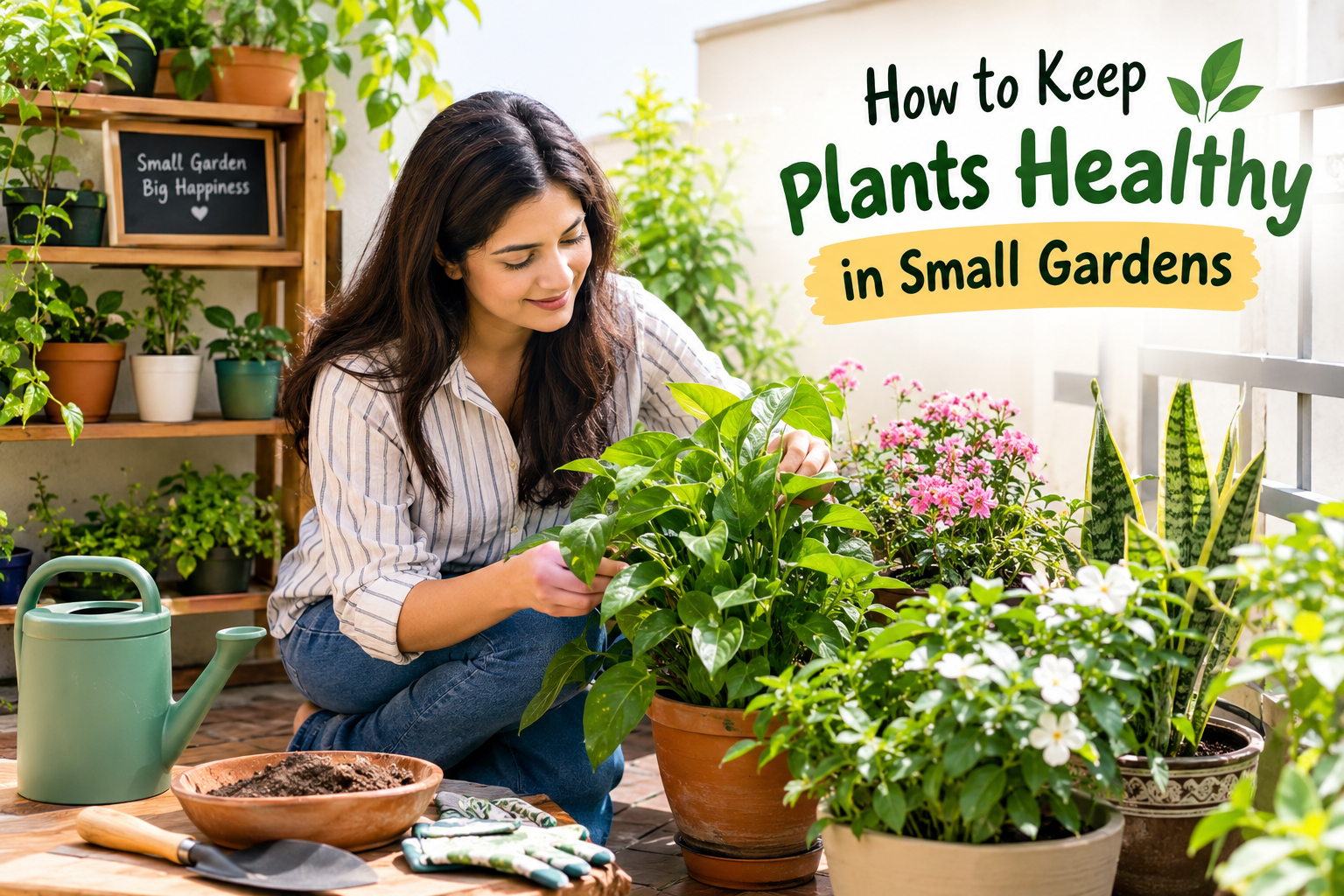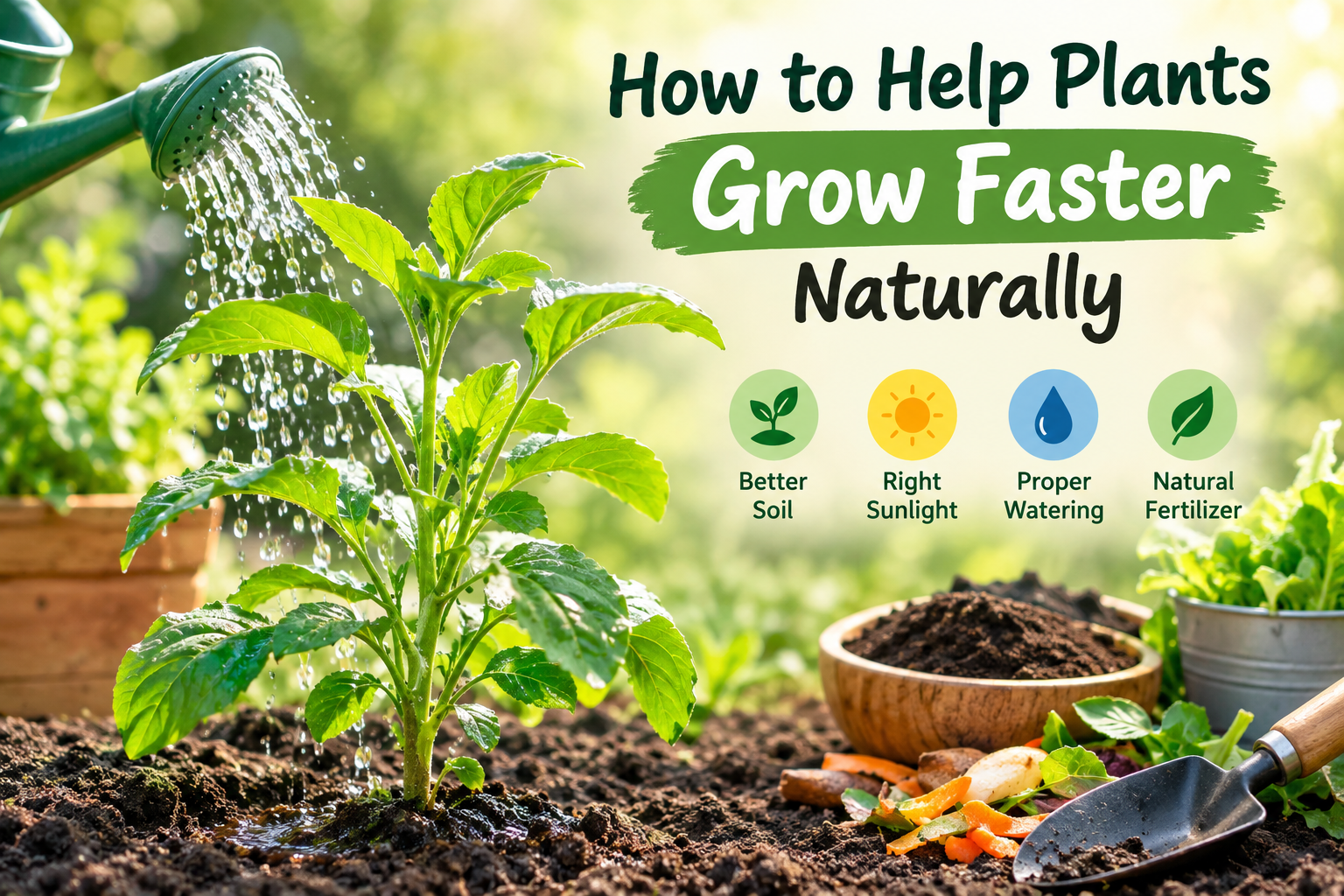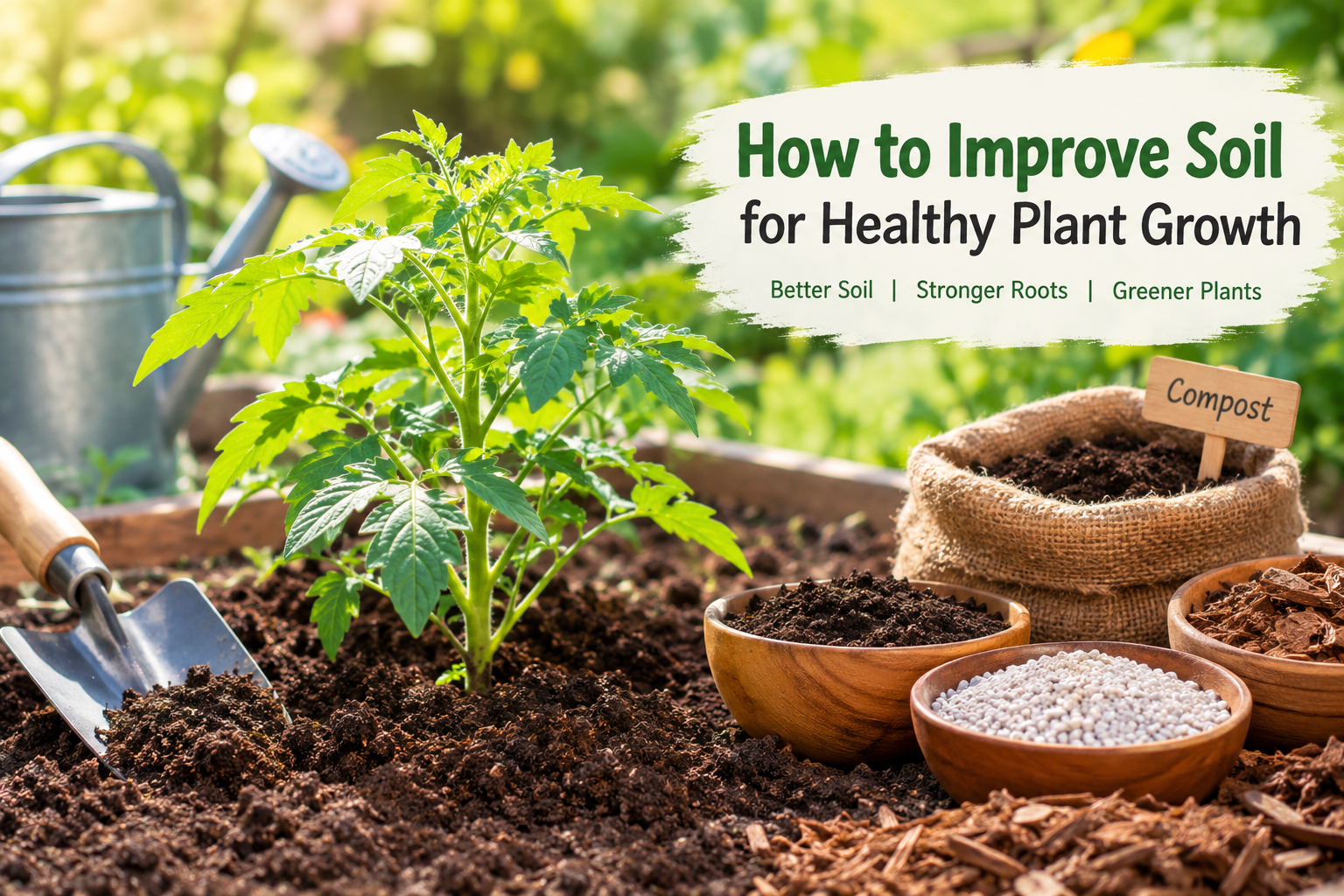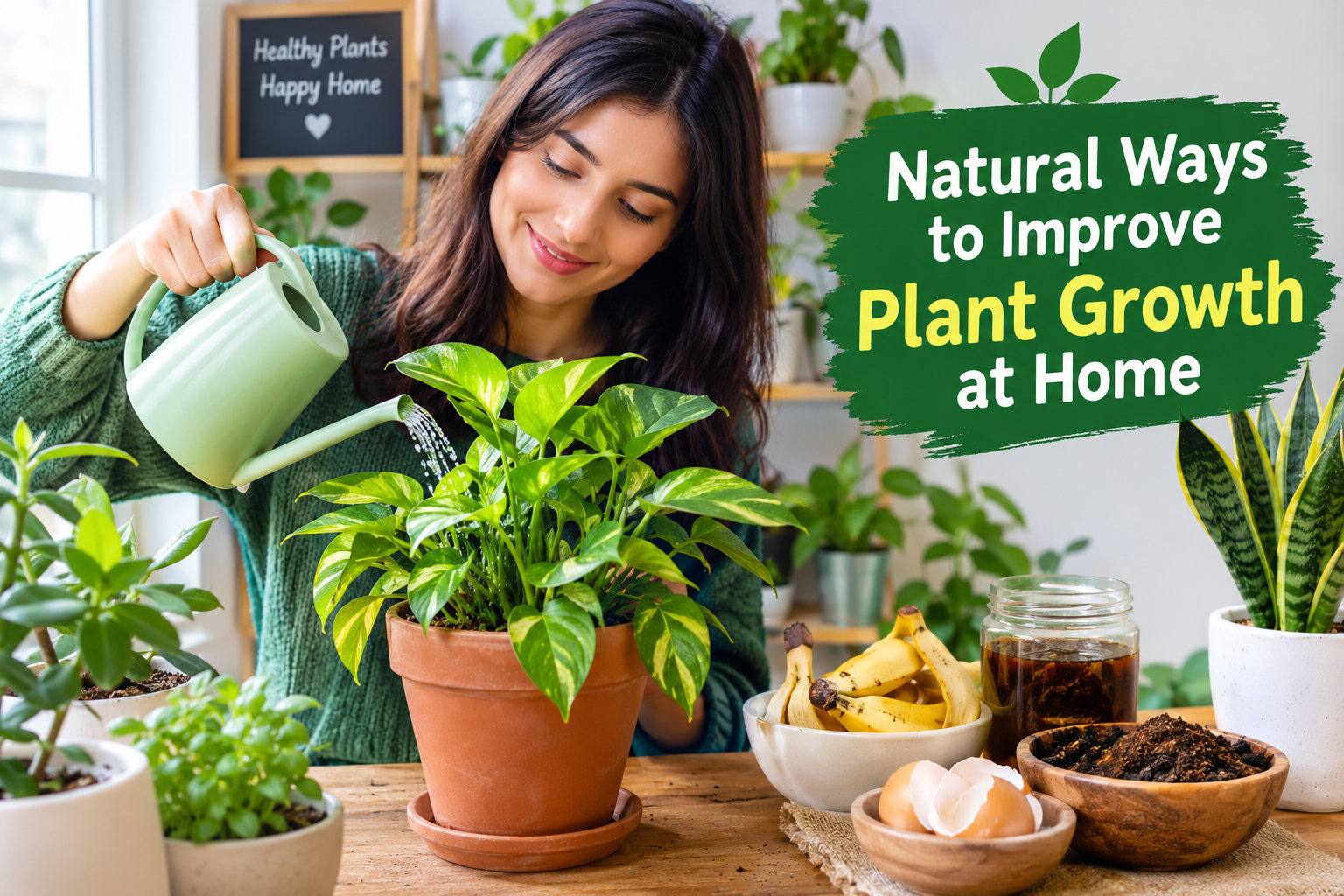
Growing healthy plants at home does not always require expensive fertilizers, complicated equipment, or special gardening products. In my experience, plants usually grow better when we understand their basic needs and provide them with consistent care. Simple natural methods such as proper watering, good sunlight, healthy soil, compost, pruning, and regular observation can make a noticeable difference.
I believe the best approach to improve plant growth naturally is to work with what plants already need. Every plant requires light, water, nutrients, air, and enough space for its roots. When these things are balanced, plants can become healthier, greener, and stronger.
In this article, I am sharing some of the best natural ways to improve plant growth at home based on simple gardening practices that can easily be followed by beginners.
Give Your Plants the Right Amount of Sunlight
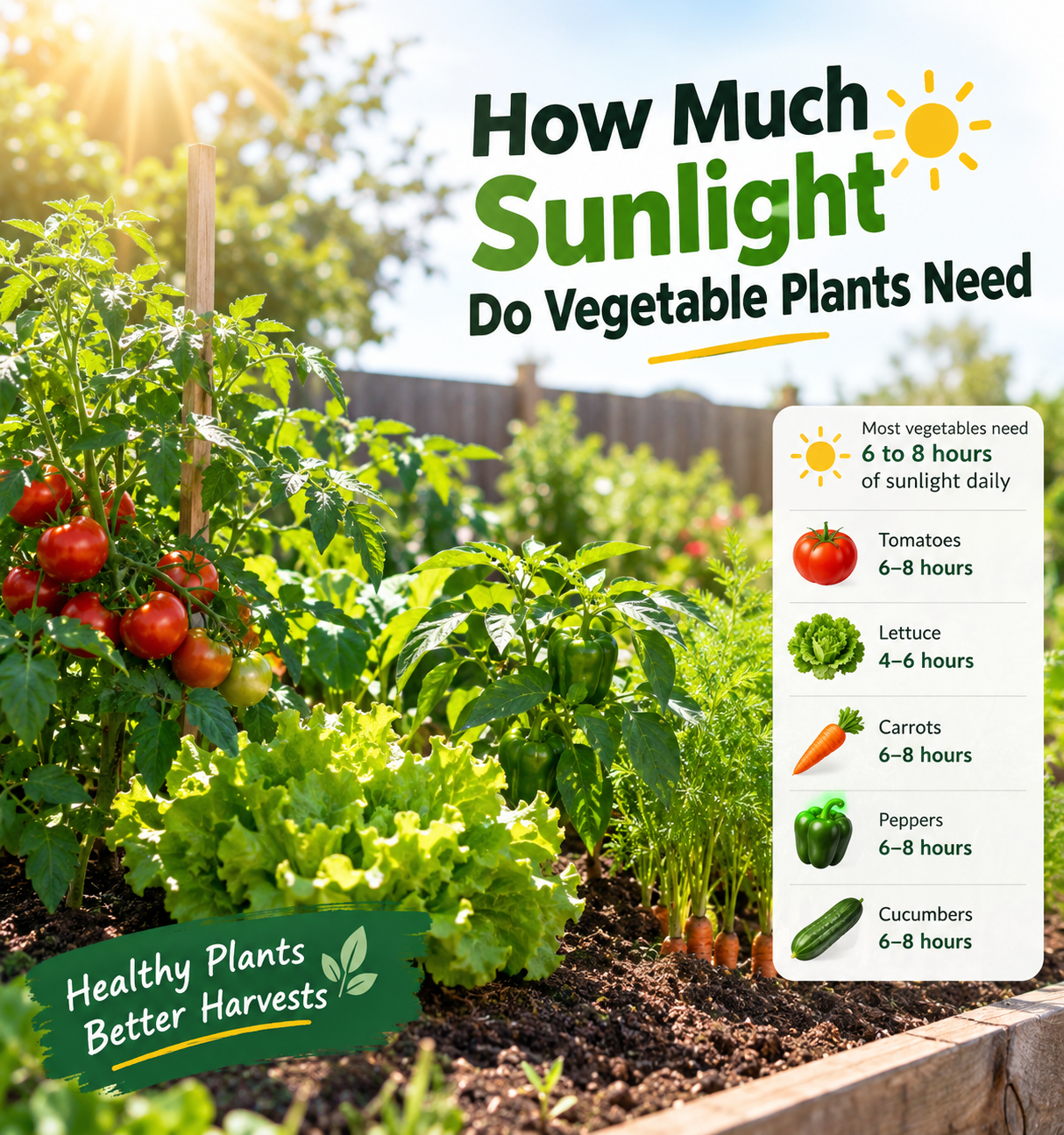
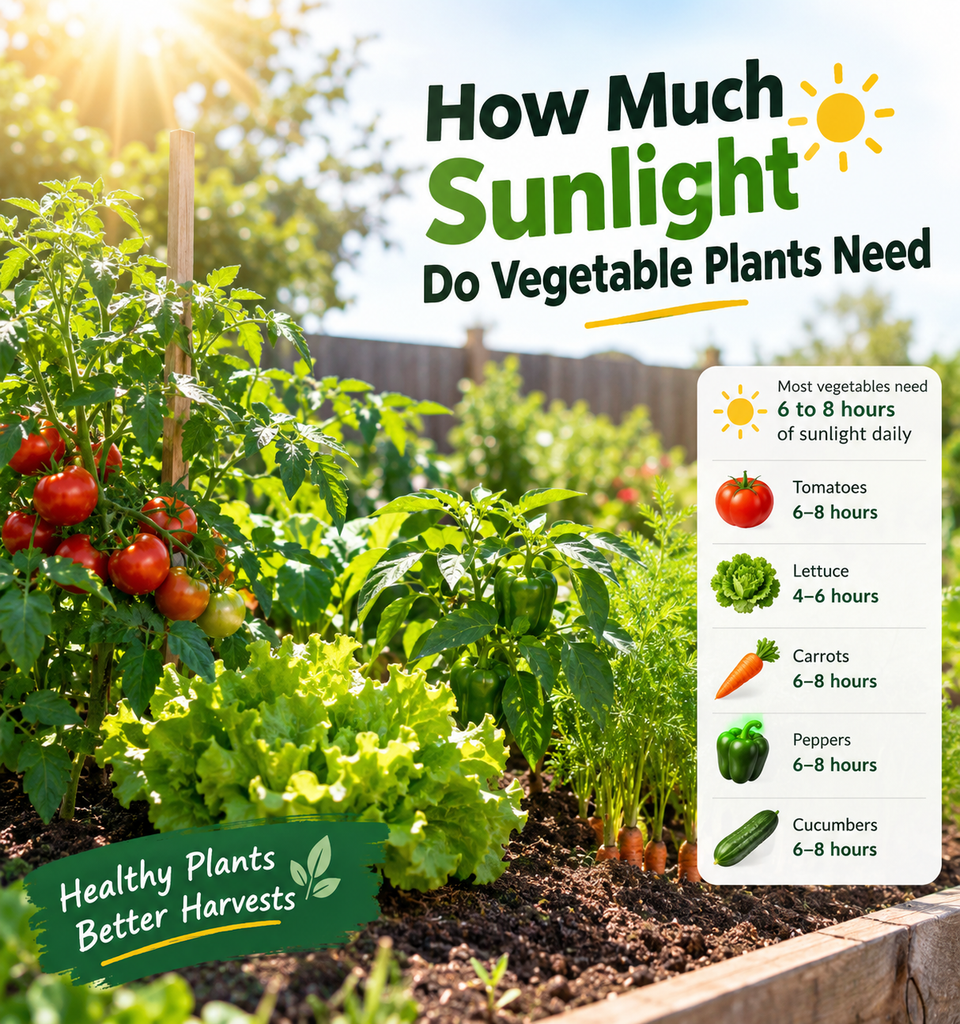
One of the most important factors affecting plant growth is sunlight. Plants use light to produce energy through photosynthesis. Without enough light, many plants become weak, pale, and slow growing.
I always recommend checking the light requirements of each plant before choosing its location. Some indoor plants prefer bright indirect light, while herbs and vegetables may need several hours of direct sunlight.
If your plant has thin stems or leaves that are reaching toward a window, it may need more light. On the other hand, brown or scorched leaves can sometimes indicate too much direct sunlight.
Moving a plant gradually to a brighter location can help prevent sudden stress. Rotating pots every few days can also encourage more balanced growth.
Water Plants Properly
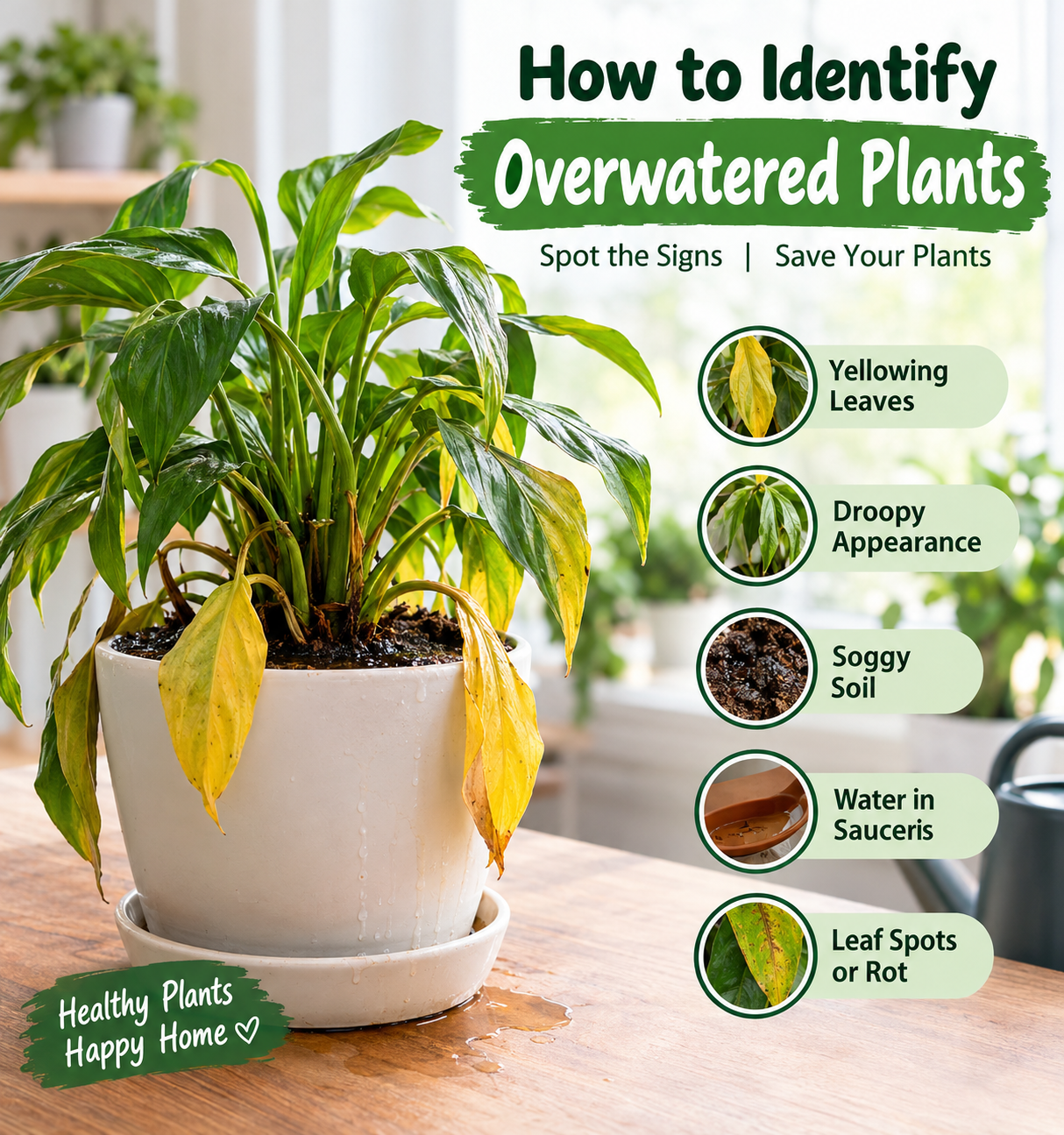
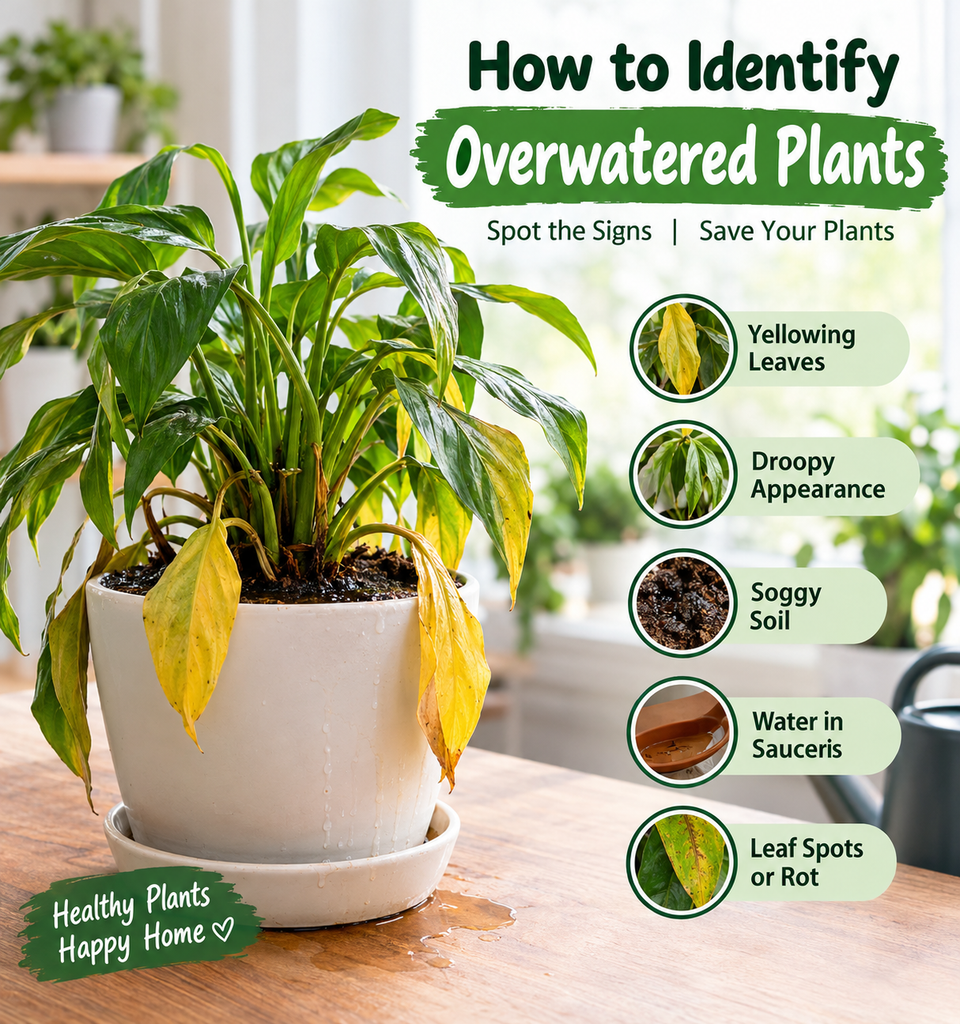
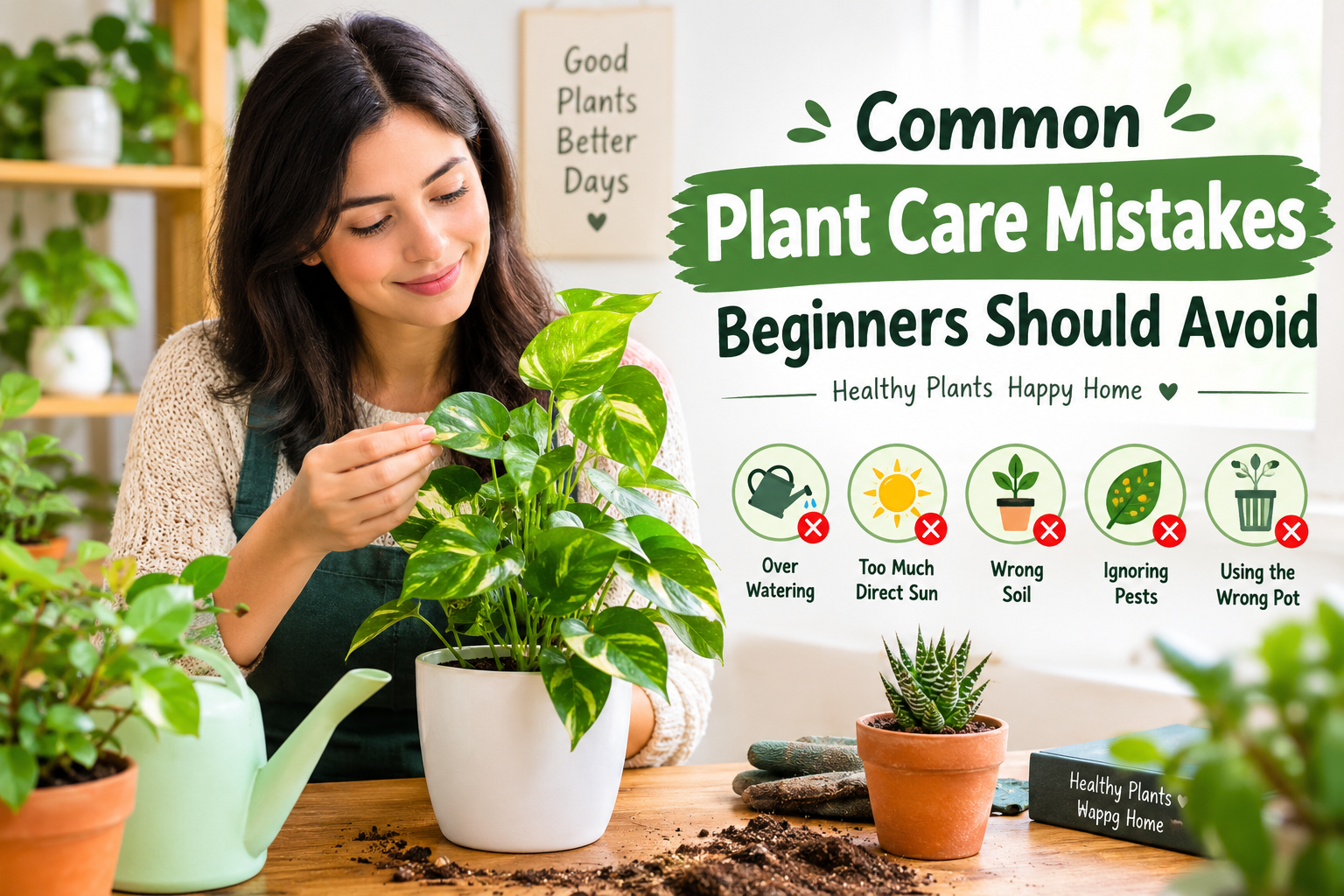
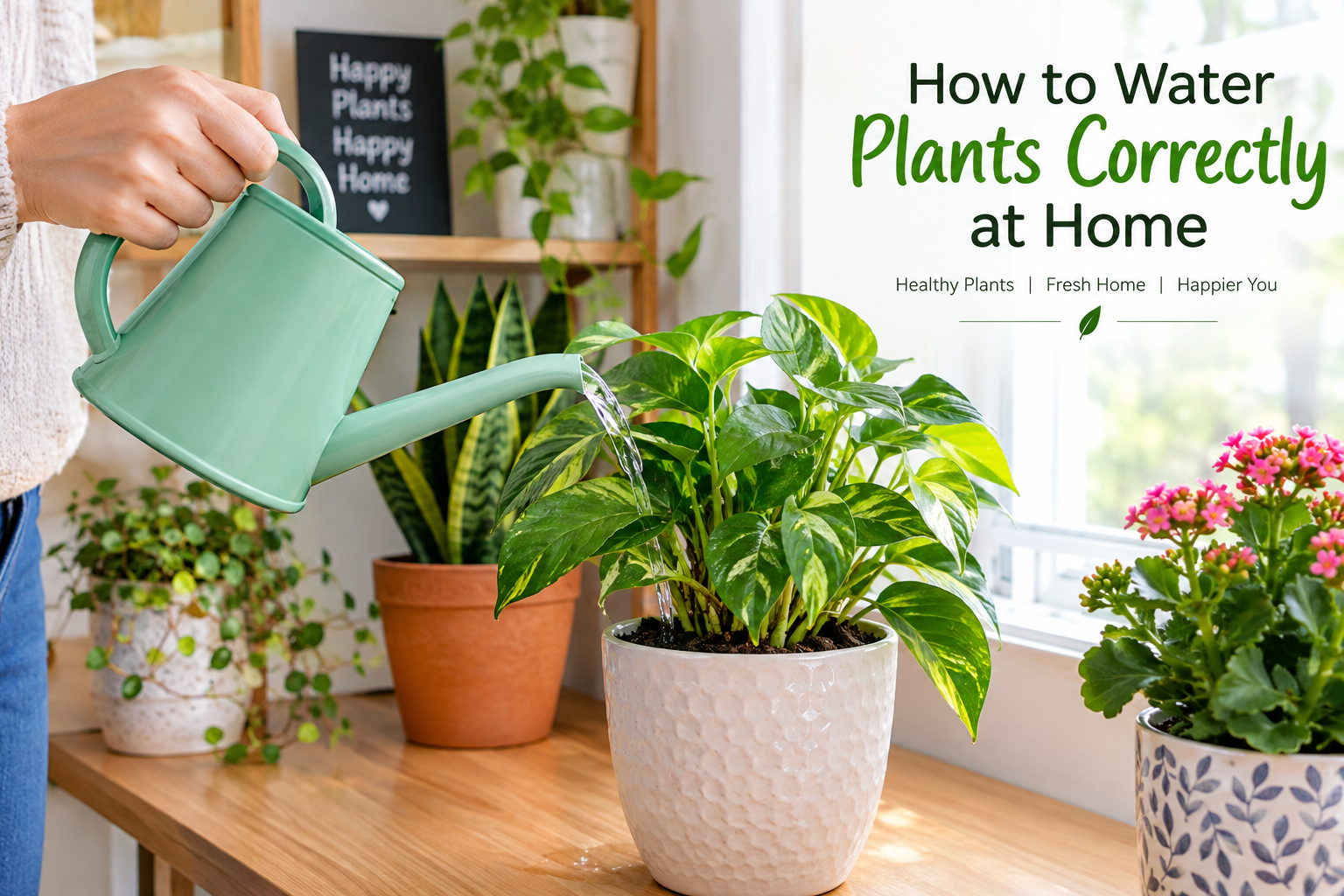
Water is essential for healthy plant growth, but giving plants too much water can be just as harmful as giving them too little.
I prefer checking the soil before watering instead of following a strict daily schedule. Put your finger into the top layer of soil and check whether it feels dry. If it is still moist, the plant may not need more water.
Different plants have different watering needs. Succulents and some drought tolerant plants usually need less water, while leafy tropical plants may require more regular moisture.
Good drainage is equally important. Always use pots with drainage holes when possible. Extra water should be able to escape instead of remaining around the roots.
Improve Soil Naturally
Healthy soil gives plants a strong foundation for growth. Soil provides nutrients, supports roots, and helps control moisture.
One of my favorite natural methods is adding organic matter to the soil. Well prepared compost can improve soil structure and provide nutrients for plants. Compost also supports beneficial organisms that contribute to healthy soil.
You can mix a suitable amount of mature compost into garden soil or use it as a top dressing around established plants. However, avoid adding large amounts at once because too much organic material can affect drainage and plant health.
For container plants, using a suitable potting mix is especially important. Garden soil alone can become compacted inside pots and may not provide enough air around the roots.
Use Compost as a Natural Fertilizer
Compost is one of the easiest natural ways to support plant growth. It contains organic material that slowly releases nutrients into the soil.
Kitchen scraps such as fruit and vegetable waste can be composted when handled properly. Leaves, grass clippings, and other suitable organic materials can also become valuable compost.
I prefer using mature compost rather than putting fresh kitchen waste directly into plant pots. Fresh organic waste can attract insects, create unpleasant smells, and may not provide nutrients in a form plants can immediately use.
A small layer of finished compost around plants can help improve the soil over time.
Feed Plants With Natural Organic Materials
Some natural materials can be useful additions to a gardening routine. For example, properly composted organic matter can provide a range of nutrients.
Banana peels are often discussed as a natural source of potassium, but simply placing fresh banana peels into a pot is not always the best approach. They are better processed through composting.
Eggshells can also be composted or crushed finely and added to soil, although they should not be considered a complete fertilizer.
My main advice is not to assume that every kitchen waste item is automatically good for plants. Natural does not always mean suitable. Plants need balanced nutrition, so organic materials should be used thoughtfully.
Keep the Soil From Becoming Too Compact
Plant roots need access to both water and air. When soil becomes heavily compacted, roots may struggle to develop properly.
I gently loosen the surface of container soil when necessary, taking care not to damage shallow roots. Adding organic matter can also improve soil structure.
Avoid repeatedly pressing down on soil around plants. Good soil should provide enough space for roots to spread and for air to move through the root zone.
Prune Damaged Leaves and Stems
Pruning is another simple way to support healthy plant growth. Removing dead, damaged, or diseased leaves allows the plant to focus its resources on healthier growth.
I like to use clean and sharp scissors when pruning. This helps make cleaner cuts and reduces the chance of spreading problems between plants.
Do not remove large amounts of healthy growth without a reason. Different plants respond differently to pruning, so it is useful to understand the plant before making major cuts.
Regularly removing dead leaves can also keep indoor plants looking cleaner and make it easier to notice new growth.
Keep Plants Clean
Dust can collect on the leaves of indoor plants, especially plants kept near windows or in busy rooms. Cleaning leaves occasionally can help maintain their appearance and allows you to inspect them more easily.
I usually wipe larger leaves gently with a clean, slightly damp cloth. Small plants can sometimes be rinsed carefully if their growing conditions allow it.
Avoid using household cleaning products on plant leaves. They can damage the natural surface of the leaves.
While cleaning, check for small insects, spots, discoloration, or other signs of plant stress.
Give Roots Enough Space
A plant can only grow as well as its root system allows. When roots become crowded inside a small pot, the plant may stop growing properly.
Signs of a root bound plant can include roots coming through drainage holes, soil drying unusually quickly, or growth becoming slower despite proper care.
When repotting is necessary, choose a container that is only moderately larger than the existing one. A pot that is dramatically larger can hold too much moisture around the roots.
Fresh, suitable potting mix can give the roots more room and improve the plant’s growing environment.
Maintain Good Air Circulation
Good air circulation is often overlooked when caring for indoor plants. Stagnant, humid air can create conditions that encourage certain fungal problems and pests.
I try not to place plants so close together that their leaves constantly touch. Giving each plant enough space can improve airflow.
A room with natural ventilation can be helpful. However, avoid placing sensitive plants directly in front of strong air conditioners or heaters because sudden temperature changes can stress them.
Protect Plants From Extreme Temperatures
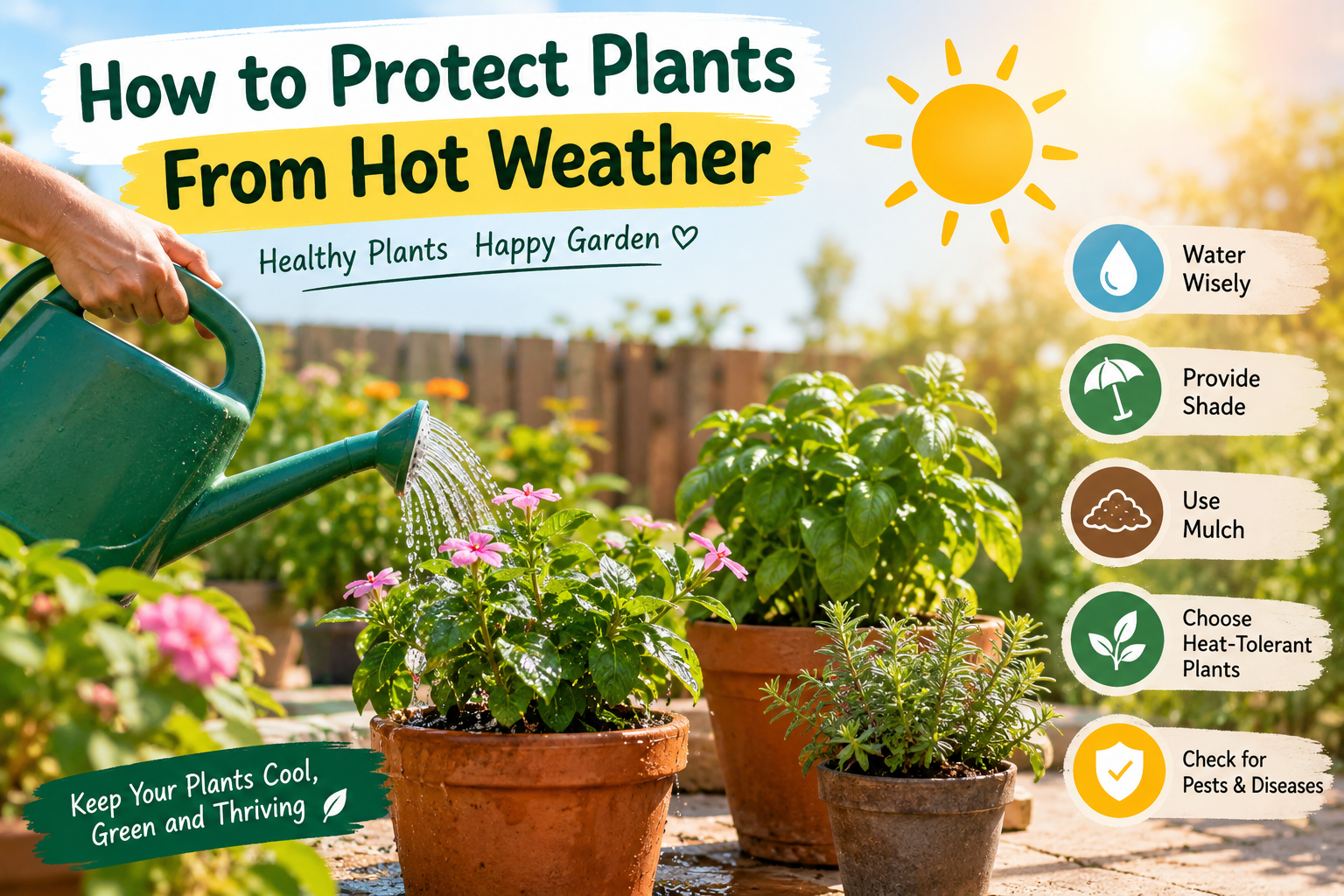
Plants generally grow best when their environment is reasonably stable. Extreme heat or cold can slow plant growth and cause leaf damage.
During very hot weather, I pay extra attention to plants placed near sunny windows. Some plants may benefit from bright indirect light during the hottest part of the day.
During colder months, keep sensitive indoor plants away from cold drafts and very cold windows.
Understanding the natural environment of your plant can help you decide where it will grow best inside your home.
Use Mulch for Outdoor Plants
If you have a home garden, natural mulch can be extremely useful. Materials such as dry leaves, straw, or suitable organic mulch can help protect the soil surface.
Mulch can help reduce moisture loss, moderate soil temperature, and gradually add organic matter as it breaks down.
I recommend keeping mulch slightly away from the direct base of plant stems. This helps reduce excessive moisture around the stem and provides better air circulation.
Watch Plants Instead of Following a Fixed Routine
One of the biggest lessons I have learned from gardening is that plants communicate their needs through their appearance.
Yellow leaves, drooping foliage, slow growth, dry soil, brown edges, and sudden changes can all provide clues. Instead of immediately adding fertilizer or water, I first try to understand what may be causing the problem.
Sometimes the solution is simply moving the plant to a better location. Other times, the soil may be staying wet for too long or the plant may need a larger container.
Regular observation can prevent small problems from becoming serious ones.
Avoid Over Fertilizing
More fertilizer does not always mean faster plant growth. Too many nutrients can damage roots and cause problems with the soil.
Natural fertilizers should also be used carefully. Always consider the plant’s specific requirements before applying any fertilizer or soil amendment.
I prefer starting with a small amount and observing the plant’s response rather than applying too much at once.
Healthy plant growth is usually the result of balanced care rather than one powerful treatment.
Create a Simple Natural Plant Care Routine
You do not need to spend hours every day caring for plants. A simple routine can be enough.
Once or twice a week, check the soil moisture, inspect leaves, look for pests, and check whether the plant is receiving appropriate light. Remove dead leaves when necessary and rotate indoor plants if they are growing unevenly.
Every few weeks, check the condition of the soil and make sure the container is draining properly.
This simple routine makes it easier to identify problems early.
Final Thoughts
In my opinion, the best natural ways to improve plant growth at home are not complicated. Plants need suitable sunlight, proper watering, healthy soil, good drainage, enough space, fresh air, and regular attention.
Compost and other organic materials can support soil health, while pruning and cleaning can help plants stay in better condition. Most importantly, I believe gardeners should observe their plants rather than treating every plant exactly the same way.
Every plant has different needs, and learning those needs is part of the enjoyment of gardening. With patience and consistent care, you can create a healthier growing environment without depending on complicated methods.
Natural plant care is really about creating the right conditions and allowing plants to do what they naturally do best: grow.
Frequently Asked Questions
What is the best natural way to improve plant growth?
Providing the correct amount of sunlight, water, healthy soil, and nutrients is one of the best ways to improve plant growth naturally.
Is compost good for plants?
Yes, mature compost can improve soil structure and provide organic matter and nutrients. It should be used appropriately for the type of plant and soil.
How often should indoor plants be watered?
There is no single watering schedule for every plant. Check the soil moisture and consider the plant’s species, pot size, temperature, humidity, and light conditions.
Can kitchen waste be used for plants?
Some kitchen waste can be composted and later used to improve soil. Fresh kitchen waste should generally not be placed directly into plant pots.
Does pruning help plants grow?
Removing dead, damaged, or diseased growth can help plants stay healthy and may encourage better growth, depending on the plant.
How can I make my indoor plants healthier naturally?
Give them suitable light, water them according to their needs, use well draining soil, provide good airflow, clean dusty leaves, and regularly check for pests or signs of stress.