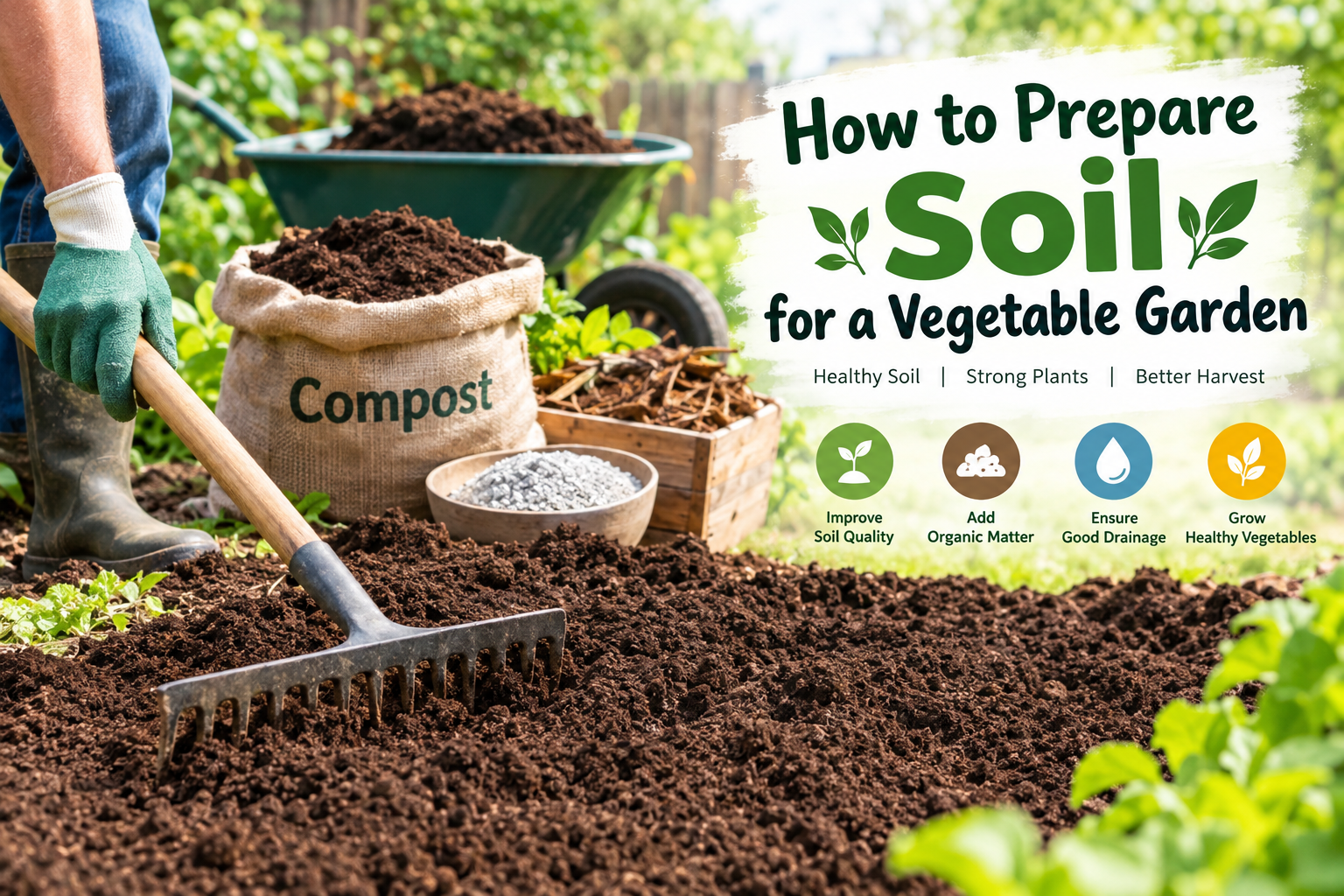
When I started learning about vegetable gardening, I quickly realized that healthy plants do not begin with seeds or fertilizer. They begin with healthy soil. Good soil gives vegetable plants the support, moisture, air, and nutrients they need to grow properly. If the soil is poor, even good quality seeds may struggle to produce a healthy harvest.
In my experience, preparing soil for a vegetable garden does not have to be complicated. You do not need expensive equipment or a large garden to get started. With a few simple steps, you can improve the soil and create a much better growing environment for vegetables.
In this guide, I will explain how to prepare soil for a vegetable garden, how to check your soil, how to add organic matter, and how to make the soil suitable for healthy vegetable growth.
Why Soil Preparation Is Important
Before planting vegetables, I believe it is worth spending some time preparing the soil. Vegetables need nutrients to develop strong roots, leaves, flowers, and fruits. They also need soil that can hold enough moisture without becoming constantly wet.
Well prepared garden soil can help roots grow deeper and make it easier for plants to absorb water and nutrients. Good soil structure also allows air to move around the roots.
Another benefit is that properly prepared soil can make gardening easier throughout the growing season. When the soil is healthy, plants generally have a better foundation for growth.
Choose the Right Location
The first step in preparing soil is choosing a suitable location for your vegetable garden. Most vegetables need plenty of sunlight, so I recommend selecting an area that receives several hours of direct sunlight during the day.
Observe the area before you start digging. Check whether rainwater collects there after rainfall. If the area stays wet for a long time, drainage may be a problem.
It is also helpful to choose a location that is close to a water source. Carrying water across a large garden every day can become tiring, especially during hot weather.
A good location with sunlight, reasonable drainage, and easy access can make vegetable gardening much more enjoyable.
Remove Weeds and Debris
Once you have selected the garden area, remove weeds, grass, stones, old roots, and other unwanted materials from the soil.
I prefer to remove weeds before preparing the soil because weeds can compete with vegetables for water, nutrients, sunlight, and space.
Make sure you remove the roots of larger weeds whenever possible. Simply cutting the visible part may not solve the problem because some weeds can grow again from their roots.
You should also remove large stones and pieces of wood that could make planting difficult. Small natural pieces of organic material can usually remain if they are not interfering with the garden.
Check Your Soil Type
Understanding your soil type can help you decide what improvements are needed. Garden soil can generally contain different amounts of sand, silt, and clay.
Sandy soil usually drains quickly but may not hold enough moisture and nutrients. Clay soil can hold water and nutrients well, but it may become compacted and drain slowly.
Loamy soil is often considered suitable for vegetable gardening because it provides a useful balance between drainage and moisture retention.
You can get a professional soil test if you want detailed information about nutrients and soil pH. For a beginner garden, however, simply observing the soil and improving its structure with organic matter can be a useful starting point.
Loosen the Soil
Compacted soil can make it difficult for vegetable roots to grow. Before planting, loosen the soil with a garden fork or suitable gardening tool.
Work the soil gently rather than aggressively turning it over again and again. The goal is to create a loose growing environment where roots can move through the soil.
If the soil is extremely wet, I recommend waiting until it becomes workable. Digging very wet soil can sometimes make the structure worse and create hard clumps.
You also do not want to work extremely dry soil if it is difficult to break apart. A moderate moisture level usually makes soil preparation easier.
Add Organic Matter
One of the most useful things you can do when preparing soil for a vegetable garden is to add organic matter.
Compost is one of my favorite choices because it can improve soil structure while adding organic material. Well decomposed compost can help sandy soil hold moisture and can improve the structure of heavy soil.
Other organic materials can also be useful when properly prepared. However, avoid adding fresh manure directly around young vegetable plants because it can be too strong and may create other problems.
Spread a reasonable amount of mature compost over the garden area and mix it gently into the upper layer of soil.
You do not need to add huge amounts at once. Improving soil gradually each season can be a practical approach for many home gardeners.
Improve Soil Drainage
Good drainage is important for most vegetable plants. While plants need water, their roots also need access to air. Soil that remains constantly saturated can create an unhealthy environment for roots.
If your garden soil drains poorly, adding organic matter can help improve its structure over time. In some situations, creating raised beds can also be a practical solution.
Raised beds allow you to control the growing medium more easily and can be especially useful when the existing ground soil is difficult to work with.
Before making major changes, observe how water behaves in your garden after rain. This can help you understand whether drainage is actually a problem.
Check Soil pH
Soil pH can influence how easily plants access certain nutrients. Different vegetables can tolerate slightly different soil conditions, but many common garden vegetables grow well in a moderately acidic to neutral range.
A simple soil test can tell you whether your soil is too acidic or too alkaline.
I recommend testing before adding products designed to change soil pH. Adding amendments without knowing what the soil actually needs can sometimes create an imbalance.
If your test shows a pH problem, follow the recommendations provided with the soil test or ask a local gardening expert for guidance.
Avoid Overworking the Soil
It can be tempting to keep digging and mixing the soil because you want to create the perfect garden bed. However, more digging is not always better.
Overworking soil can disturb its natural structure. I prefer to prepare the soil enough to remove major compaction, mix in suitable organic matter, and create a comfortable environment for planting.
Once the soil is ready, try to avoid walking directly on the growing areas. Walking over garden beds can compact the soil again.
Creating paths between planting areas is a simple way to reduce unnecessary soil compaction.
Add the Right Nutrients
Vegetable plants need nutrients throughout their growth. Compost can provide some nutrients, but the exact needs of your garden depend on your soil and the vegetables you plan to grow.
A soil test can help identify nutrient deficiencies. This is better than adding large amounts of fertilizer without knowing what the soil needs.
Different vegetables also have different nutritional requirements. Leafy vegetables, root vegetables, tomatoes, peppers, and other crops may respond differently to soil conditions.
For a beginner garden, I recommend focusing first on good soil structure and organic matter. Then you can address specific nutrient needs based on plant growth and soil test results.
Prepare the Soil Before Planting
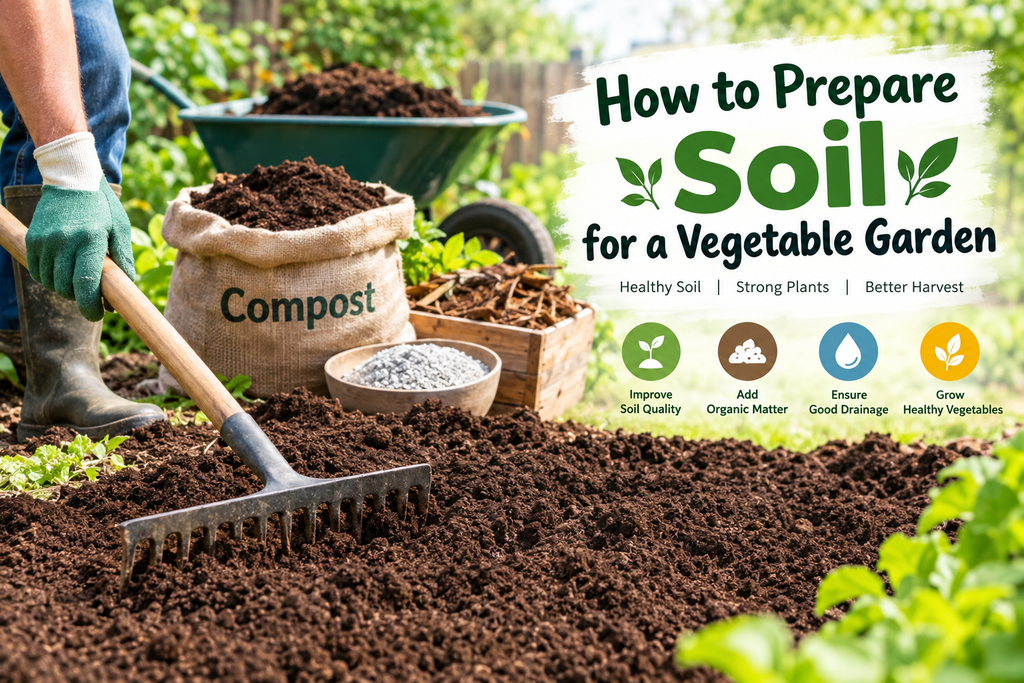
After improving the soil, level the surface gently with a rake. Break up large clumps and remove any remaining stones or unwanted roots.
The soil should feel loose enough for planting but should not be turned into fine dust.
At this stage, you can create planting rows or small beds according to the vegetables you want to grow.
Keep enough space between plants so they have room to develop. Following the recommended spacing on seed packets can help prevent overcrowding.
Water the Soil Properly
Before planting seeds or seedlings, check the moisture level of the soil. Soil should be moist but not soaking wet.
If the soil is very dry, water it gently and allow the moisture to move into the growing area.
After planting, maintain consistent moisture according to the needs of your vegetables. Young plants often need closer attention because their root systems are still developing.
Avoid watering automatically every day without checking the soil. Weather, temperature, soil type, and plant size all affect how often your garden needs water.
Maintain Your Soil After Planting
Preparing soil is not something you only do once. Healthy soil benefits from regular care.
Adding compost between growing seasons can help maintain organic matter. Mulching around plants can help conserve moisture and reduce weed growth.
Try to remove weeds while they are still small. This is usually easier than allowing them to become large and deeply rooted.
At the end of the growing season, remove unhealthy plant material and add suitable organic matter if needed.
Over time, your soil can become easier to work with and more productive.
Common Soil Preparation Mistakes
There are a few mistakes I recommend avoiding.
The first is planting immediately without checking the soil. Taking time to prepare the growing area can make a noticeable difference.
Another mistake is using too much fertilizer. More fertilizer does not automatically mean healthier vegetables.
Overwatering is another common problem. Plants need water, but constantly wet soil can damage roots.
I also recommend avoiding fresh manure around vegetables unless it has been properly processed and is suitable for garden use.
Finally, do not expect poor soil to become perfect overnight. Soil improvement is a gradual process.
Final Thoughts
Learning how to prepare soil for a vegetable garden is one of the most useful skills a beginner gardener can develop. In my opinion, healthy soil is the foundation of a productive garden.
Start by choosing a sunny location, removing weeds, loosening compacted soil, and adding good quality organic matter. Check drainage and consider testing your soil if you want to understand its pH and nutrient levels.
You do not need to create perfect soil before planting your first vegetable garden. Start with simple improvements and continue caring for the soil as your garden grows.
With patience and regular care, even an average garden area can become a much better place for growing vegetables. Once you understand your soil and learn what your plants need, gardening becomes easier and more rewarding.