Author: admin

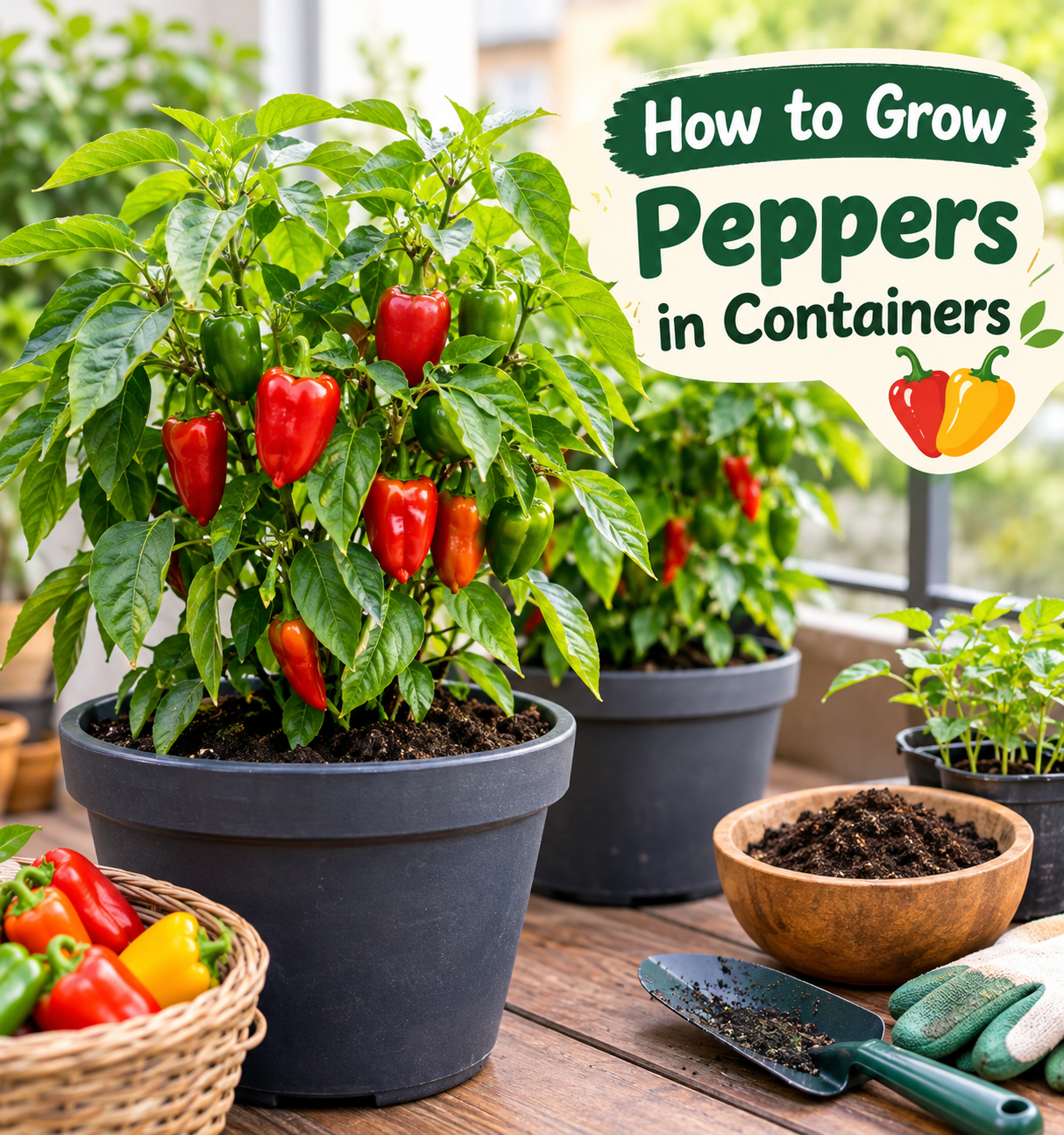
  • How to Grow Peppers in Containers

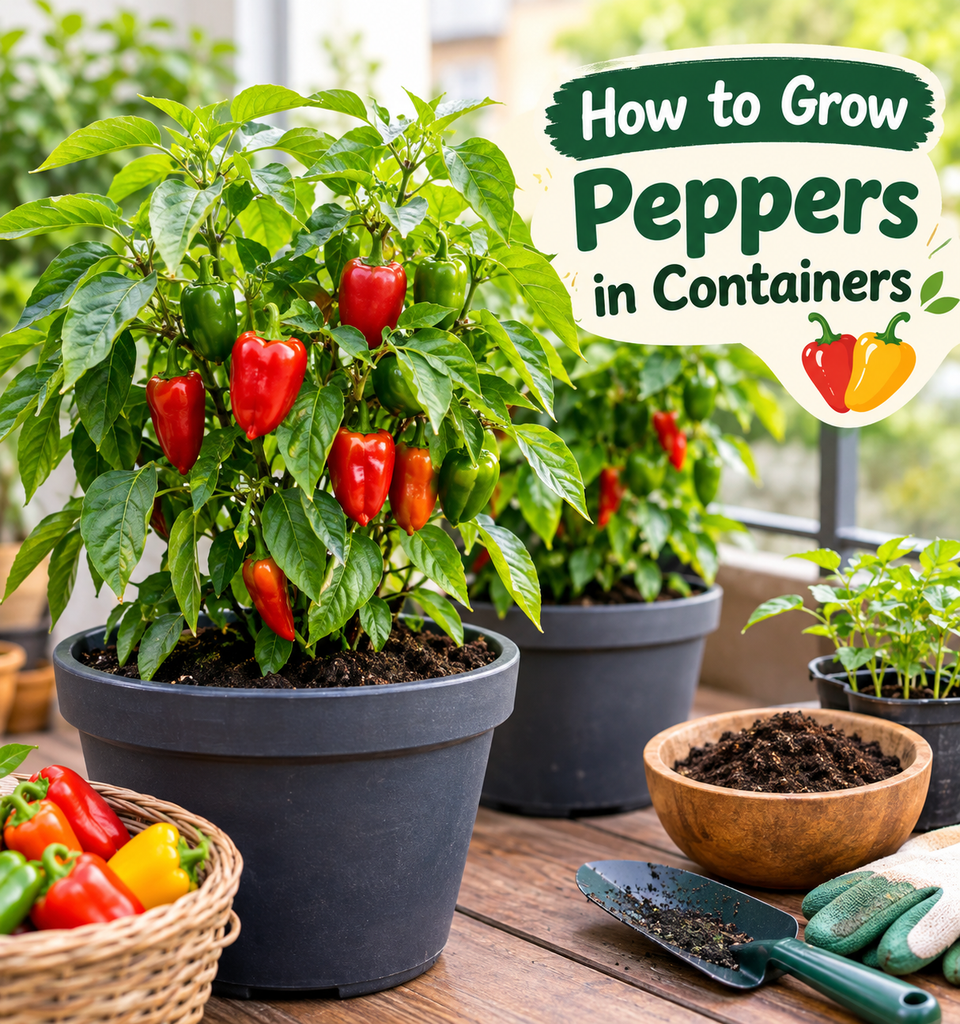
    How to Grow Peppers in Containers

    Growing peppers in containers is one of my favorite ways to enjoy fresh vegetables at home. You do not need a large garden or a big backyard to grow healthy pepper plants. With the right container, good soil, enough sunlight, regular watering, and a little patience, you can grow peppers successfully on a balcony, patio, rooftop, or small outdoor space.

    I personally like container gardening because it gives me more control over the growing environment. I can choose the soil, move the plants when necessary, and keep a closer eye on watering and pests. If you are new to gardening, peppers are also a great vegetable to start with because they can produce a good harvest when their basic needs are met.

    In this guide, I will explain how to grow peppers in containers from choosing the right variety to harvesting fresh peppers.

    Choose the Right Pepper Variety

    The first step in growing peppers in containers is choosing a variety that grows well in limited space. Some pepper plants become quite large, while others stay compact and are better suited to pots.

    For container gardening, I recommend choosing compact varieties whenever possible. Bell peppers, jalapenos, chili peppers, banana peppers, and many small hot pepper varieties can grow successfully in containers.

    Before buying seeds or seedlings, check the expected mature size of the plant. A compact plant is usually easier to manage and may not require as much support as a large variety.

    If you are growing peppers for the first time, starting with a healthy nursery seedling can be easier than growing from seed. However, growing peppers from seeds can also be rewarding if you have enough time and patience.

    Select a Suitable Container

    Choosing the right container is very important for growing peppers successfully. Pepper plants need enough room for their roots to develop, so I avoid using very small pots.

    A container that is around 12 inches deep and wide can work well for many pepper plants. Larger varieties may benefit from an even bigger container.

    Make sure the pot has drainage holes at the bottom. This is one of the most important things I look for when choosing a container. Excess water needs somewhere to escape because constantly wet soil can damage the roots.

    Plastic pots, clay pots, fabric containers, and other suitable gardening containers can all work. I prefer containers that are strong, stable, and easy to move.

    Use Good Potting Soil

    The soil you use can make a big difference in container gardening. Garden soil taken directly from the ground is usually not my first choice for pots because it can become heavy and compacted.

    Instead, use a quality potting mix that provides good drainage while still holding enough moisture for the plant. A good container mix can include materials such as compost, coco coir, and other ingredients designed for container plants.

    The soil should feel loose rather than hard and compact. Pepper roots need access to both moisture and air.

    Adding compost can also provide organic matter and nutrients. I always make sure the soil is fresh and suitable for vegetable gardening before planting.

    Plant Peppers at the Right Time

    Peppers are warm season plants, so they generally grow best when temperatures are warm. Cold weather can slow their growth and may damage young plants.

    If you are starting peppers from seeds, you can begin them indoors in a warm location and transplant them outdoors once the weather becomes suitable.

    When planting a young pepper plant, gently remove it from its original container and place it into the prepared pot. Avoid damaging the roots during the process.

    After planting, water the soil thoroughly. The plant may look slightly stressed after transplanting, but it usually begins adjusting once it becomes established.

    Give Pepper Plants Plenty of Sunlight

    One of the most important requirements for growing peppers in containers is sunlight. Pepper plants generally perform best when they receive several hours of direct sunlight each day.

    I recommend placing the container in the sunniest suitable location available. A sunny balcony, patio, terrace, or garden area can work well.

    If a pepper plant receives too little sunlight, it may become weak and produce fewer flowers and fruits. Good sunlight helps the plant develop strong growth and supports fruit production.

    If you notice that your plant is growing toward one direction, it may be responding to the available light. You can rotate the container occasionally so the plant receives more balanced exposure.
    How to Grow Peppers in Containers

    Water Peppers Correctly

    Watering is another important part of container pepper care. Pots can dry out faster than garden soil, especially during hot weather.

    I usually check the soil before watering instead of following a strict schedule. Push your finger slightly into the soil. If the upper layer feels dry, it may be time to water.

    When watering, give the plant enough water to moisten the soil thoroughly. Allow excess water to drain through the holes at the bottom.

    Try not to keep the soil constantly soaked. At the same time, do not allow the plant to remain severely dry for long periods.

    During very hot weather, container plants may need more frequent watering. Always consider the temperature, container size, sunlight, and soil condition.

    Feed Your Pepper Plants

    Peppers need nutrients to produce healthy leaves, flowers, and fruits. A good quality potting mix can provide some nutrients, but plants may eventually need additional feeding.

    I prefer using a balanced vegetable fertilizer according to the instructions on the product label. Avoid applying more fertilizer than recommended because excessive fertilizer can create problems for the plant.

    Compost can also be useful for improving the soil and adding organic matter.

    Once the plant begins producing flowers and fruits, consistent nutrition can help support continued growth. However, fertilizer should always be used carefully.

    Support the Plant When Necessary

    Some pepper plants remain compact, while others can become tall and heavy when they produce many peppers.

    If your plant starts leaning, a simple garden stake can provide support. Place the stake carefully into the container and loosely tie the plant to it using soft garden ties.

    I avoid tying the stem too tightly because this can damage the plant as it grows.

    Supporting the plant is especially useful when it produces several large peppers at the same time.

    Protect Peppers From Pests

    Container gardening can reduce some gardening problems, but pepper plants can still attract pests. Aphids, spider mites, whiteflies, and other insects may sometimes appear on the leaves.

    I recommend checking the plant regularly instead of waiting until there is serious damage. Look underneath leaves and around new growth because small insects can sometimes hide in these areas.

    If you notice pests, remove badly affected leaves when appropriate and use a suitable gardening treatment according to the product instructions.

    Keeping the plant healthy is also important because strong plants are generally better able to handle normal gardening challenges.

    Encourage Healthy Fruit Production

    Once pepper plants begin flowering, you will hopefully start seeing small peppers develop. Flowers may naturally pollinate outdoors because of wind and insects.

    If you are growing peppers in a protected location with limited insect activity, gently moving the plant or lightly shaking the branches can help distribute pollen.

    Avoid disturbing the plant too much. A gentle movement is usually enough.

    Good sunlight, consistent watering, suitable nutrition, and healthy growth are the main things I focus on when I want a better pepper harvest.

    Harvest Peppers at the Right Time

    One of the most enjoyable parts of growing peppers in containers is harvesting them. You can often harvest many peppers while they are still green, depending on the variety.

    Some peppers change color as they mature. They may become red, yellow, orange, or another color when fully ripe.

    I usually harvest peppers with clean scissors or garden shears instead of pulling them forcefully from the plant. This helps reduce unnecessary damage to the branches.

    Regular harvesting can also encourage the plant to continue producing more peppers during the growing season.

    Common Mistakes to Avoid

    There are a few common mistakes that can make container pepper gardening more difficult.

    Using a container that is too small can restrict root growth. Poor drainage can cause serious root problems. Too little sunlight can reduce plant growth and fruit production.

    Another common mistake is inconsistent watering. Allowing the plant to become extremely dry and then heavily watering it can create unnecessary stress.

    Overfertilizing is also something I try to avoid. More fertilizer does not automatically mean more peppers. Plants need balanced care rather than excessive feeding.

    Finally, do not forget to check your plants regularly. A few minutes of observation can help you notice pests, dry soil, broken branches, or other problems before they become serious.

    Final Thoughts

    Learning how to grow peppers in containers is easier than many beginners expect. You mainly need a suitable container, quality potting soil, plenty of sunlight, proper watering, and regular care.

    From my experience, the most important thing is consistency. You do not need to spend hours caring for your pepper plants every day. Checking the soil, observing the leaves, providing enough sunlight, and watching for pests can make a big difference.

    Container gardening is also a great option for people who have limited outdoor space. Whether you have a balcony, patio, rooftop, or small garden area, you can enjoy fresh peppers without needing a traditional vegetable garden.

    Start with one or two healthy plants and learn how they respond to your growing conditions. Once you become comfortable with the basics, you can try different pepper varieties and increase your container garden. With a little patience and regular care, growing peppers in containers can become a simple and rewarding part of your home gardening routine.
  • How to Grow Tomatoes in Pots for Beginners

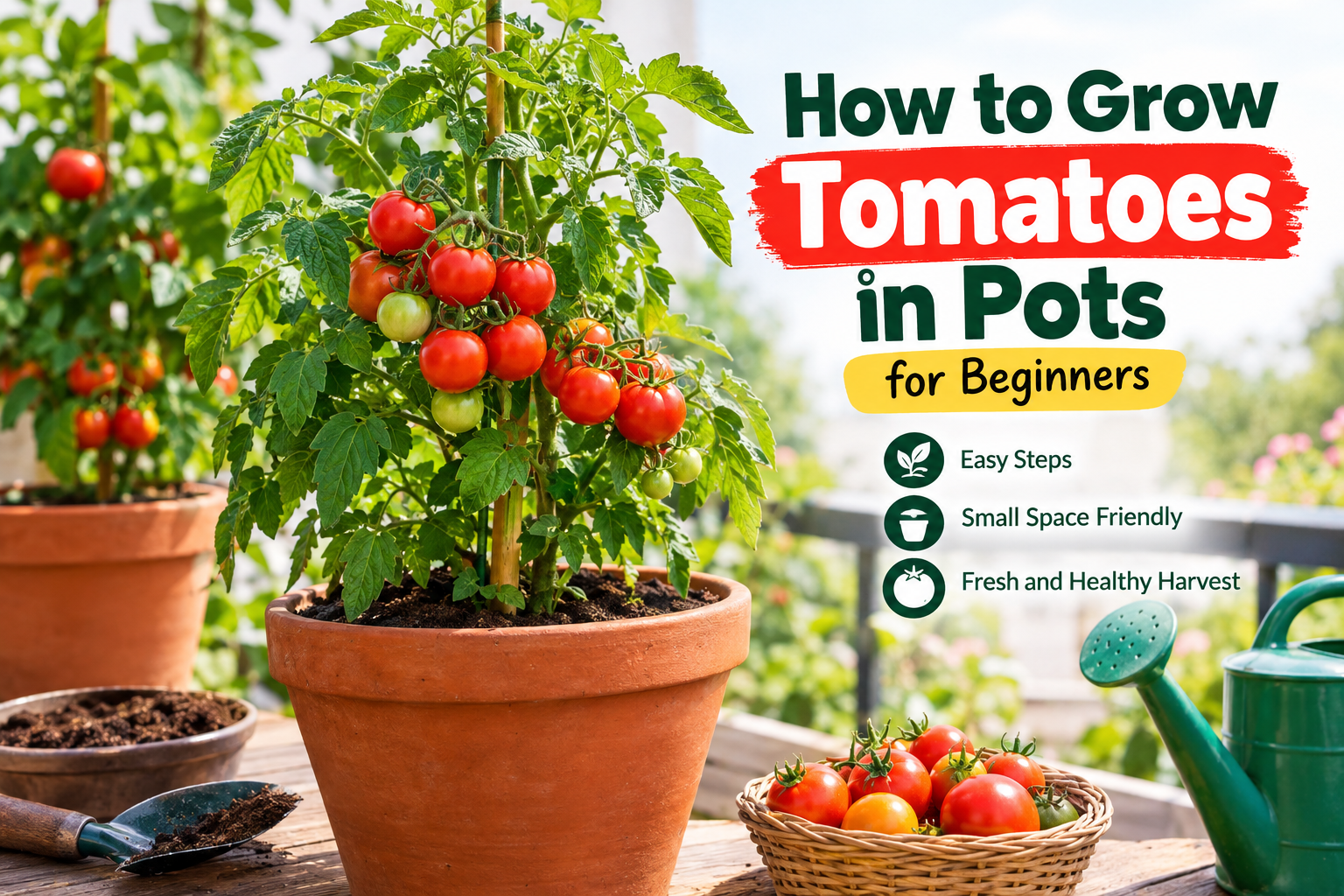
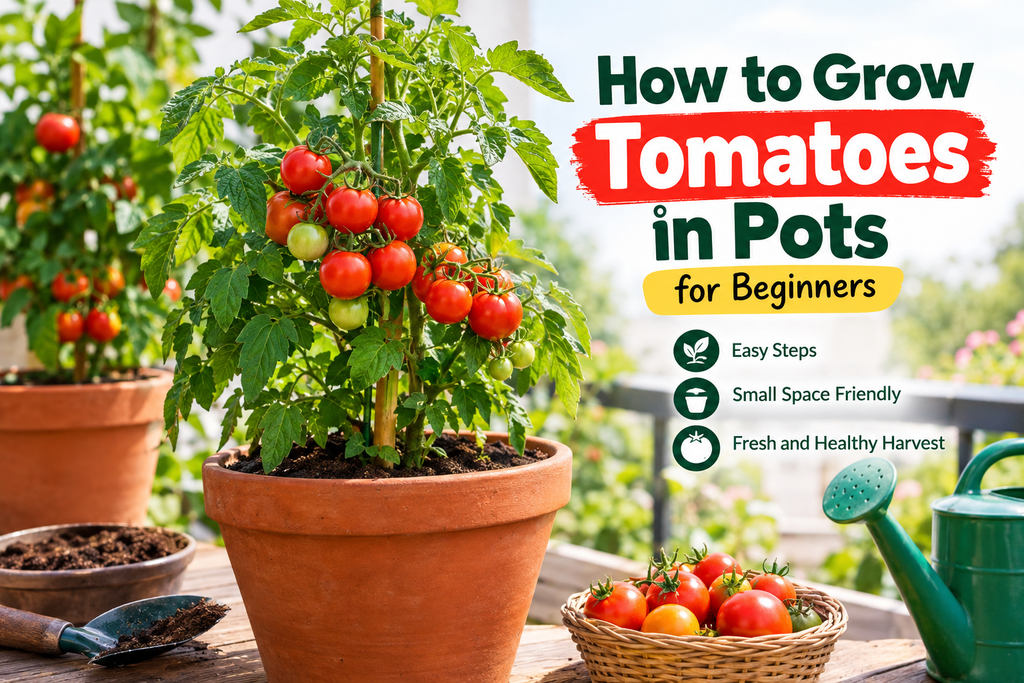
    How to Grow Tomatoes in Pots for Beginners

    Growing tomatoes in pots is one of the easiest ways to start a small home garden, especially if you do not have a large backyard. I personally like container gardening because it allows me to grow fresh vegetables even when space is limited. With the right pot, good soil, enough sunlight, regular watering, and a little patience, growing tomatoes in pots can be a very rewarding experience.

    Tomatoes grow well in containers because their roots can develop properly when they have enough space and suitable soil. You can grow tomatoes on a balcony, terrace, patio, rooftop, or even in a sunny area near your home. In this guide, I will explain how to grow tomatoes in pots for beginners using simple steps that are easy to follow.

    Choose the Right Tomato Variety

    The first thing I recommend is choosing a tomato variety that is suitable for container gardening. Not every tomato plant has the same growth habit. Some varieties grow compactly while others become very tall and require strong support.

    Determinate tomato varieties are usually a good choice for beginners because they have a more compact growth pattern. They produce tomatoes over a shorter period and are easier to manage in containers. Some dwarf and patio tomato varieties are also excellent for small spaces.

    If you want to grow larger tomato varieties, you can still use pots, but you will need a larger container and stronger support. Before buying seeds or seedlings, check the expected mature size of the plant.

    Select a Suitable Pot

    Choosing the right pot is one of the most important parts of growing tomatoes in containers. Tomatoes need enough room for their roots to grow. A pot that is too small can restrict root development and make it difficult for the plant to produce a healthy harvest.

    For most tomato plants, I prefer using a pot that is at least 12 inches deep and reasonably wide. Larger varieties may need a container that holds several gallons of soil. Bigger pots also hold moisture for longer, which can make watering easier during hot weather.

    Always choose a container with drainage holes at the bottom. Excess water needs somewhere to escape because constantly wet soil can damage tomato roots.

    Use Good Quality Potting Soil

    The soil you use can make a big difference in your tomato plants. I recommend using a quality potting mix instead of ordinary garden soil. Garden soil can become heavy and compact inside a container, which may reduce drainage and airflow around the roots.

    A good potting mix should be loose, well draining, and capable of holding enough moisture for healthy plant growth. You can also mix in compost to provide organic matter and improve the overall quality of the growing medium.

    Avoid filling the pot with soil from your garden alone. Container plants need a growing medium that allows both water and air to move around the roots.

    Give Tomatoes Plenty of Sunlight

    Tomatoes love sunlight. In my experience, placing tomato plants in a bright and sunny location is one of the simplest ways to encourage strong growth.

    Try to provide around six to eight hours of direct sunlight each day. A sunny balcony, terrace, patio, or garden area can work well. If your tomato plant receives very little sunlight, it may become weak and produce fewer tomatoes.

    Before placing your pot permanently, observe the sunlight in your chosen location throughout the day. This can help you find the brightest area for your plants.

    Plant the Tomato Correctly

    If you are starting with a young tomato plant, gently remove it from its original container. Be careful not to damage the roots during transplantation.

    One useful feature of tomato plants is that they can develop roots along part of their buried stem. Because of this, you can plant a tomato seedling slightly deeper than many other vegetable seedlings. Remove the lower leaves if necessary and place the plant into the soil while keeping the upper healthy leaves above the surface.

    After planting, gently press the soil around the plant and water it thoroughly. This helps the roots settle into their new environment.

    Water Tomato Plants Properly

    Watering is very important when learning how to grow tomatoes in pots. Container plants can dry out faster than plants growing directly in the ground, especially during hot weather.

    I usually check the soil with my finger before watering. If the top inch of soil feels dry, it is often time to water. Water slowly around the base of the plant until some water begins to come out of the drainage holes.

    Try to keep the moisture level relatively consistent. Allowing the soil to become extremely dry and then giving the plant a large amount of water can create stress. Consistent watering can also help reduce problems such as cracked fruit.

    During very hot weather, container tomatoes may need more frequent watering. Always check the soil rather than following a strict schedule.

    Support the Tomato Plant

    Many tomato plants become heavy as they grow and produce fruit. Without support, the stems may bend or break.

    You can use a tomato cage, wooden stake, or another suitable garden support. I prefer adding support early because it is easier to position the support while the plant is still small.

    As the plant grows, gently guide the stems toward the support. Avoid tying the plant too tightly because the stem needs room to grow.

    Supporting the plant also keeps the leaves and fruit away from the ground, which can improve airflow and make harvesting easier.

    How to Grow Tomatoes in Pots for Beginners

    Feed Your Tomato Plants

    Tomatoes are heavy feeders, especially when they begin producing flowers and fruit. Good soil provides a strong foundation, but plants may benefit from additional nutrients during the growing season.

    You can use a fertilizer designed for vegetables or tomatoes and follow the instructions on the product label. Avoid using excessive fertilizer because too many nutrients can encourage lots of leafy growth while reducing fruit production.

    Compost can also be useful when preparing your potting mix. I prefer a balanced approach rather than adding large amounts of fertilizer at once.

    Remove Unhealthy Leaves

    Regularly inspect your tomato plant for yellow, damaged, or diseased leaves. Removing unhealthy leaves can help keep the plant cleaner and improve airflow.

    Do not remove large amounts of healthy foliage without a reason. Tomato leaves help the plant produce energy through sunlight, so healthy leaves are important for growth and fruit development.

    If you notice unusual spots, discoloration, or pests, inspect the plant carefully and take action early. Problems are generally easier to manage when noticed at an early stage.

    Watch for Common Tomato Problems

    Growing tomatoes in pots is fairly simple, but plants can still experience problems. Common issues include yellow leaves, wilting, pests, poor fruit production, and fungal diseases.

    Many problems are connected to watering, poor airflow, insufficient sunlight, or unsuitable soil. This is why I recommend checking your plants regularly rather than waiting until something looks seriously wrong.

    Look underneath the leaves for small insects and inspect the stems for damage. Keeping the area around your pots clean can also help reduce potential problems.

    Good spacing is important too. Avoid placing several large tomato plants too close together because crowded plants have less airflow.

    Help Your Tomatoes Produce Fruit

    Once tomato plants start flowering, you may notice small yellow flowers developing. These flowers eventually become tomatoes when successfully pollinated.

    Outdoor tomato plants are often naturally pollinated by wind and insects. If your plants are growing in a sheltered balcony or another location with limited insect activity, gently shaking the plant or tapping the support can help distribute pollen.

    Avoid disturbing the flowers too aggressively. A gentle movement is enough.

    Harvest Tomatoes at the Right Time

    One of the most enjoyable parts of growing tomatoes in pots is harvesting your own fresh tomatoes. Depending on the variety, tomatoes may change from green to yellow, orange, pink, or red as they mature.

    I usually harvest tomatoes when they have developed their expected mature color and feel slightly firm. Some tomatoes can also be picked when they are beginning to change color and allowed to finish ripening indoors.

    Use clean hands or garden scissors when harvesting. Avoid pulling the fruit forcefully because this can damage the plant.

    Tips for Growing Tomatoes in Pots Successfully

    If you are a beginner, keep your tomato gardening routine simple. Choose a suitable variety, use a large container, provide good soil, and place the pot somewhere sunny.

    Check the soil regularly and water when necessary. Provide support before the plant becomes too large. Feed the plant according to the fertilizer instructions and regularly inspect the leaves for pests or disease.

    Another useful tip is to avoid overcrowding your containers. Giving each tomato plant enough room can make maintenance easier and improve airflow.

    Most importantly, do not become discouraged if your first plant does not produce a perfect harvest. Gardening is a learning process. Each season gives you a better understanding of sunlight, watering, soil, temperature, and plant growth.

    Final Thoughts

    Learning how to grow tomatoes in pots for beginners does not have to be complicated. With a suitable container, healthy soil, plenty of sunlight, regular watering, and basic plant support, you can grow productive tomato plants in a surprisingly small space.

    I believe tomatoes are one of the best vegetables to start with if you are new to container gardening. They grow quickly, look attractive, and provide a satisfying harvest when cared for properly.

    Start with one or two plants and learn how they respond to your growing conditions. Once you understand their watering, sunlight, and feeding needs, you can expand your container garden with more varieties.

    Growing tomatoes at home can save you a trip to the store, but for me, the biggest benefit is enjoying fresh tomatoes that I have grown myself. With patience and consistent care, even beginners can successfully grow tomatoes in pots and enjoy a fresh homegrown harvest.

  • Best Vegetables for Balcony Gardening

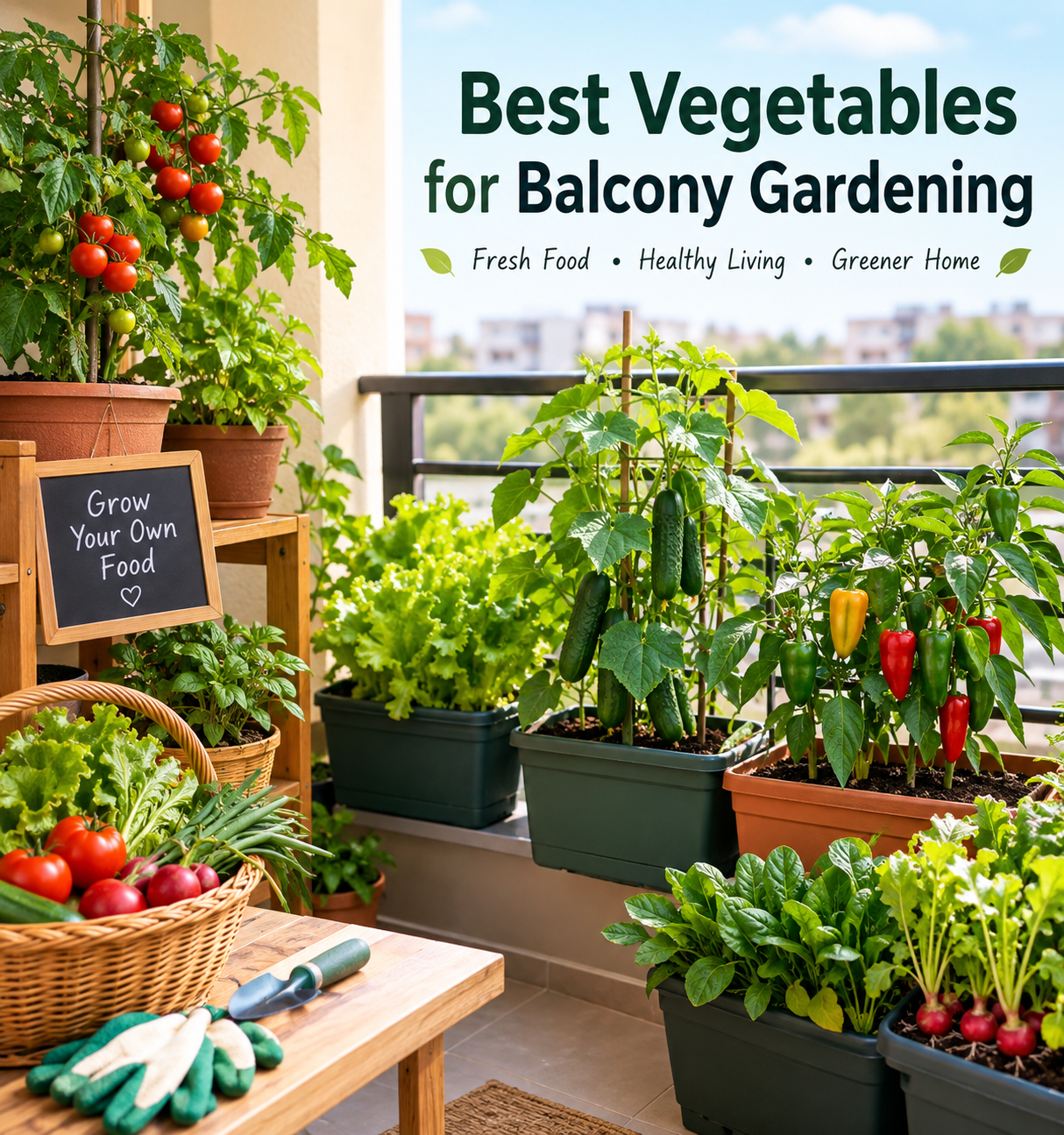
    Best Vegetables for Balcony Gardening

    Balcony gardening is one of my favorite ways to grow fresh vegetables when there is not enough space for a traditional garden. You do not need a large backyard or expensive gardening equipment to enjoy homegrown food. With a few containers, good soil, enough sunlight, and regular care, a small balcony can become a productive vegetable garden.

    In my experience, the most important thing is choosing the right vegetables. Some vegetables need a lot of space, while others grow very well in pots and containers. If you are new to balcony gardening, starting with easy vegetables can make the whole experience much more enjoyable.

    In this article, I will share some of the best vegetables for balcony gardening, along with simple tips that can help you grow them successfully.

    1. Tomatoes

    Tomatoes are one of the best vegetables for balcony gardening. They grow well in containers and can produce a good harvest when they receive enough sunlight. I especially recommend compact or dwarf tomato varieties for small balconies because they do not require as much space as large plants.

    A container should have proper drainage and enough depth for the roots. Tomatoes generally enjoy several hours of sunlight each day. I also like to provide a small support stake or cage because tomato plants can become heavy as they grow.

    Water the plant regularly, but avoid keeping the soil constantly wet. With proper care, you can enjoy fresh tomatoes directly from your balcony.

    2. Lettuce

    Lettuce is another excellent choice for a small balcony garden. It does not need a deep container and grows relatively quickly. This makes it a good vegetable for beginners who want to see results without waiting for a long time.

    Lettuce prefers cooler conditions and can be grown in shallow containers. I find that placing the container where the plant receives gentle sunlight works well, especially during warmer weather.

    One useful thing about lettuce is that you can harvest the outer leaves while allowing the plant to continue growing. This gives you fresh leaves for salads over a longer period.

    3. Spinach

    Spinach is a practical vegetable for balcony gardening because it can grow in containers and does not require much space. It is also useful for people who want to grow nutritious leafy vegetables at home.

    I recommend using a container with good drainage and keeping the soil slightly moist. Spinach generally prefers cooler weather, so it can be especially enjoyable to grow during suitable seasons.

    You can harvest individual leaves as needed instead of removing the entire plant. This simple harvesting method can provide fresh spinach for cooking while the plant continues producing new leaves.

    4. Radishes

    If you want a vegetable that grows quickly, radishes are worth considering. They are compact and can be grown in containers with enough depth for the roots.

    Radishes usually do not require a large amount of space, which makes them suitable for small balconies. I like growing them because they can provide a satisfying result for beginner gardeners.

    Use loose soil so the roots can develop properly. Water the plants consistently and avoid allowing the soil to become extremely dry. Depending on the variety and growing conditions, you may be able to harvest radishes relatively quickly.

    5. Green Onions

    Green onions are among the easiest vegetables to grow in containers. They require limited space and can be grown in pots, boxes, or other suitable containers with drainage holes.

    I find green onions particularly useful because they can be harvested gradually. You can cut the green portions when needed and allow the plant to continue growing.

    Place the container in a location with suitable sunlight and keep the soil moderately moist. Green onions are a simple option for anyone starting their first balcony vegetable garden.

    6. Peppers

    Peppers are another excellent vegetable for growing on a balcony. Both sweet peppers and hot peppers can grow successfully in containers when they receive enough sunlight.

    I prefer using a reasonably large container because pepper plants need enough room for their roots. Good drainage is also important because excess water can create problems for the roots.

    Peppers generally enjoy warm conditions and plenty of sunlight. With regular watering and suitable soil, a single healthy plant can produce several peppers during the growing season.

    7. Carrots

    Many people assume carrots need a large garden, but they can also be grown in containers. The main requirement is choosing a container that is deep enough for the particular carrot variety.

    Shorter carrot varieties are usually easier for balcony gardening because they require less depth. I recommend loose, stone free soil so the roots can grow without unnecessary obstacles.

    Carrots require patience compared with some leafy vegetables, but harvesting them from your own balcony can be very rewarding.

    8. Cucumbers

    Cucumbers can grow well on a balcony if you give them enough vertical support. They naturally like to spread, so growing them upward can save valuable floor space.

    I recommend using a large container and adding a trellis or sturdy support. This allows the vines to climb instead of taking over the entire balcony.

    Cucumbers generally need regular watering because they can become stressed when the soil dries out too much. With enough sunlight, water, and support, container grown cucumber plants can produce fresh vegetables throughout the growing season.

    9. Bush Beans

    Bush beans are a good option when you want a productive vegetable that does not require a complicated setup. They can grow in containers and usually remain more compact than climbing varieties.

    I like bush beans because they can provide a useful harvest from a relatively small space. Choose a container with drainage holes and place it somewhere that receives suitable sunlight.

    Regular harvesting is also helpful because picking mature beans can encourage the plant to continue producing.

    10. Peas

    Peas can be a great choice for balcony gardeners, especially during cooler growing seasons. They can be grown in containers and usually benefit from some type of support.

    You can use a simple trellis or other safe structure to help the vines climb. I find that vertical growing is one of the best ways to use limited balcony space efficiently.

    Keep the soil reasonably moist and provide suitable sunlight. Peas can be especially satisfying because you can watch the vines develop and eventually produce fresh pods.

    11. Swiss Chard

    Swiss chard is another leafy vegetable that works well in containers. It can provide colorful leaves and does not require a huge amount of space.

    I like Swiss chard because it can be harvested gradually. You can remove the larger outer leaves while allowing smaller leaves to continue developing.

    Use a container with enough room for healthy root development and make sure excess water can escape. Regular watering and suitable sunlight can help maintain strong growth.

    12. Kale

    Kale is a useful choice for people who want to grow leafy greens on a balcony. It can tolerate cooler conditions and can be grown in containers with suitable soil.

    Kale does not need to be harvested all at once. You can pick mature outer leaves and leave the center of the plant growing.

    For beginners, this gradual harvesting method is convenient because you can collect only what you need for meals.

    Best Vegetables for Balcony Gardening

    How to Choose Vegetables for Your Balcony

    Before buying seeds or plants, I recommend looking carefully at your balcony. The amount of sunlight is one of the most important factors. Some vegetables need several hours of direct sunlight, while leafy greens may perform better with less intense light.

    Container size is another important consideration. Vegetables with larger root systems need larger containers, while lettuce, radishes, and green onions can work well in smaller spaces.

    You should also consider the weight of containers. Wet soil can become surprisingly heavy, especially when several large pots are placed together. If you live in an apartment, make sure your balcony can safely support your gardening setup.

    Best Containers for Balcony Vegetables

    You can use many different types of containers for balcony gardening. Plastic pots are lightweight and easy to move. Fabric grow bags can also be useful because they provide good airflow around the roots.

    Whatever container you choose, drainage is essential. Water should be able to escape through holes at the bottom. Without proper drainage, the soil can remain too wet and damage plant roots.

    I also recommend choosing containers based on the mature size of the vegetable rather than the size of the young plant. A small seedling may look comfortable in a tiny pot, but it can quickly outgrow the available space.

    Soil and Watering Tips

    Good soil can make a major difference when growing vegetables in containers. I prefer using a quality container gardening mix that is lightweight and drains well.

    Avoid using heavy garden soil by itself because it can become compacted inside containers. A suitable growing mix gives roots better access to air and water.

    Watering should be based on the plant, container, weather, and soil condition. Instead of following a strict schedule, I usually check the soil first. If the top layer feels dry, the plant may need water.

    At the same time, avoid overwatering. More water does not always mean healthier plants.

    Give Your Plants Enough Sunlight

    Sunlight is one of the biggest factors affecting balcony vegetable gardening. Before placing your containers permanently, observe how sunlight moves across your balcony during the day.

    Tomatoes, peppers, cucumbers, and beans generally appreciate plenty of sunlight. Lettuce and some leafy greens can be more flexible depending on the variety and local conditions.

    If one part of your balcony receives more sunlight, place vegetables that need more light there. Use slightly less sunny areas for vegetables that can tolerate those conditions.

    Final Thoughts

    Growing vegetables on a balcony is a simple and rewarding way to enjoy gardening even when you have limited space. You do not need dozens of containers or a complicated setup. Starting with a few easy vegetables can teach you how plants respond to sunlight, water, soil, and regular care.

    In my opinion, tomatoes, lettuce, spinach, radishes, green onions, peppers, carrots, cucumbers, beans, peas, Swiss chard, and kale are some of the best vegetables for balcony gardening. The right choices will depend on your available space, sunlight, container size, and local growing conditions.

    I recommend starting small rather than trying to grow everything at once. Choose three or four vegetables that you actually enjoy eating. Once you become comfortable with watering, feeding, harvesting, and caring for your plants, you can gradually expand your balcony garden.

    The best part of balcony gardening is the satisfaction of growing something yourself. Even a few pots can provide fresh vegetables, make your outdoor space greener, and give you a relaxing hobby. With patience and consistent care, your balcony can become a small but productive vegetable garden.

  • Best Vegetables to Grow in Pots at Home

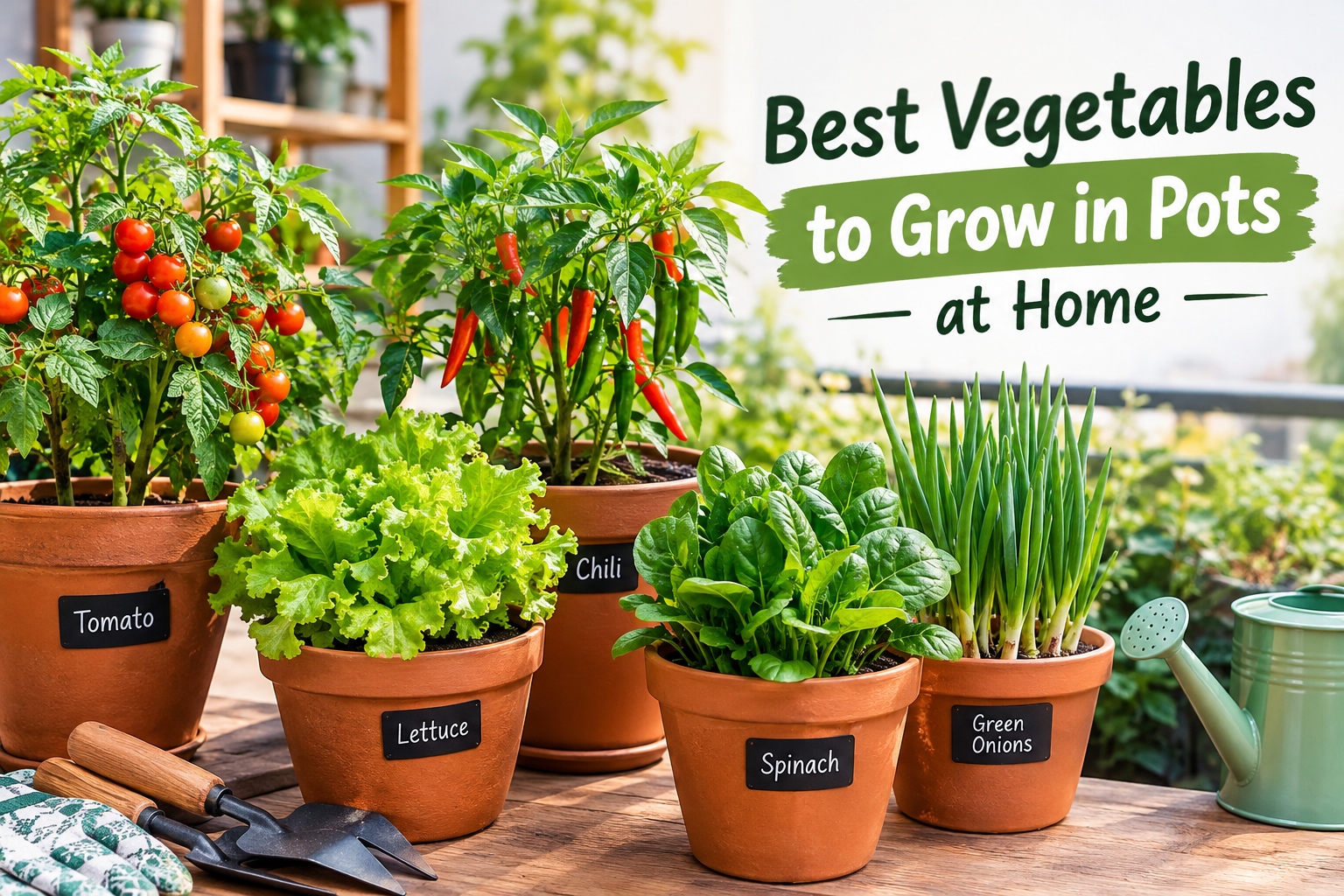
    Best Vegetables to Grow in Pots at Home

    Growing vegetables at home has become one of my favorite ways to enjoy fresh food while making better use of a small space. You do not need a large garden to grow useful vegetables. A balcony, terrace, patio, windowsill, or small outdoor area can be enough if you choose the right plants and containers.

    In my experience, the best vegetables to grow in pots at home are those that grow well in limited space, do not require complicated care, and can produce a good harvest from one or two containers. Tomatoes, peppers, lettuce, spinach, radishes, carrots, green onions, beans, and several other vegetables can grow successfully in pots when they receive enough sunlight, water, and suitable soil.

    Container gardening is also a good option for beginners because you have more control over the soil, watering, and location of each plant. If one area does not receive enough sunlight, you can move the pot to a better location.

    1. Tomatoes

    Tomatoes are among the most popular vegetables to grow in pots at home. They can produce a surprisingly large harvest when planted in a suitable container.

    I recommend choosing compact or determinate tomato varieties if you have limited space. Tomatoes generally need a large pot, good quality potting soil, regular watering, and plenty of sunlight. A container with drainage holes is important because excess water can damage the roots.

    Tomato plants may also need support as they grow. A simple stake or tomato cage can keep the plant upright and help support the fruit.

    One thing I like about growing tomatoes in pots is that you can watch the fruits develop from small green tomatoes into ripe, colorful fruits.

    2. Peppers

    Peppers are another excellent choice for container gardening. Both sweet peppers and hot peppers can grow well in pots.

    Pepper plants usually stay more compact than many other vegetable plants, making them suitable for balconies and patios. Choose a pot that provides enough room for the roots and place it somewhere that receives several hours of sunlight.

    Regular watering is important, especially during hot weather. However, the soil should not remain constantly wet.

    If you enjoy cooking, growing peppers at home can be especially useful because you can pick fresh peppers whenever you need them.

    3. Lettuce

    Lettuce is one of the easiest vegetables for beginners to grow in pots. It does not require a very deep container, so even gardeners with limited space can grow it successfully.

    You can grow lettuce from seeds or small seedlings. The soil should remain lightly moist, and the plant should receive suitable sunlight. During very hot weather, some afternoon shade can help protect lettuce from excessive heat.

    I particularly like lettuce for container gardening because it grows relatively quickly. You can harvest individual leaves instead of removing the entire plant, allowing it to continue producing new growth.

    4. Spinach

    Spinach is another practical vegetable for growing in pots at home. It grows well in containers and does not need a huge amount of space.

    A moderately deep pot with good drainage is usually enough. Plant the seeds in suitable potting soil and keep the soil consistently moist while the plants are becoming established.

    Spinach prefers cooler growing conditions, so choosing the right season is important. In warm climates, it may perform better during cooler months.

    Fresh spinach can be used in salads, sandwiches, soups, omelets, and many other homemade meals.

    5. Radishes

    If you want a vegetable that is simple and relatively quick to grow, radishes are worth considering. They do not need a large garden and can grow in containers with enough depth for their roots.

    Use loose soil that allows the developing roots to expand easily. Crowded plants may produce smaller roots, so giving them enough space can improve the harvest.

    Radishes can be a great beginner vegetable because you can see their progress within a relatively short growing period. They also provide a useful introduction to growing root vegetables in containers.

    6. Carrots

    Carrots can also be grown in pots, but choosing the right container is especially important. The pot should be deep enough for the variety you are growing.

    I suggest using loose, fine soil without large stones or compacted areas. Hard or crowded soil can cause carrots to develop unusual shapes.

    Shorter carrot varieties are often more convenient for container gardening because they require less depth than long varieties.

    Growing carrots in pots can also make harvesting easier because you can control the growing environment and reduce competition from weeds.

    7. Green Onions

    Green onions are one of my favorite choices for small containers. They require little space and can be grown on balconies, patios, and even sunny windowsills.

    You can grow them from seeds, sets, or suitable kitchen leftovers with roots attached. A small container with drainage holes can work well.

    Green onions are useful because they can be added to salads, soups, noodles, eggs, and many homemade dishes. You can harvest the green tops as needed while allowing the plant to continue growing.

    8. Bush Beans

    Bush beans can be a good choice when you want a productive vegetable that does not require a large garden.

    Unlike climbing beans, bush varieties usually remain more compact. They can grow successfully in a suitably sized container placed in a sunny location.

    Beans generally need regular watering and fertile soil. Once the plants begin producing pods, harvesting them regularly can encourage continued production.

    Growing beans in pots is also enjoyable because the plants can develop quickly when the conditions are suitable.

    9. Peas

    Peas are another vegetable that can work well in containers, especially during cooler growing seasons. Some varieties climb, so they need a simple support structure.

    You can use a small trellis or another safe support to give the plants something to climb. Make sure the container is stable enough that the growing plant does not easily tip it over.

    Fresh peas have a sweet flavor when harvested at the right time. They can be eaten fresh or added to different homemade meals.

    Best Vegetables to Grow in Pots at Home

    10. Cucumbers

    Cucumbers can grow in pots, although they need more space than vegetables such as lettuce or green onions. Choosing a compact variety can make container growing easier.

    Cucumber plants usually benefit from a trellis or other support because their vines can spread across a large area. Vertical growing can save space and keep the fruits away from the ground.

    Consistent watering is important because irregular moisture can affect plant growth and fruit quality.

    Choosing the Right Pots

    Choosing the right container is one of the most important parts of successful container gardening. The pot should provide enough room for the plant’s roots and should always have drainage holes.

    Small vegetables such as lettuce and green onions can grow in relatively shallow containers. Tomatoes, peppers, carrots, and cucumbers generally need more room.

    I also recommend using containers that are easy to move when necessary. A plant may need a different location if it receives too much heat, too little sunlight, or protection from strong weather.

    Use Good Quality Soil

    Regular garden soil may become heavy and compact inside a container. For this reason, I prefer using a quality potting mix designed for container plants.

    Good soil should provide drainage while still holding enough moisture for healthy root growth. Adding suitable organic material can also help improve the growing environment.

    Before planting, I always make sure the soil is loose and free from large pieces that could interfere with root development.

    Give Vegetables Enough Sunlight

    Sunlight is another major factor when growing vegetables in pots. Many vegetables need several hours of sunlight each day to grow strongly and produce a good harvest.

    Before placing your pots, observe your balcony, patio, terrace, or other growing area throughout the day. Look for the location that receives the most suitable sunlight.

    Leafy vegetables can sometimes tolerate less sunlight than fruiting vegetables, while tomatoes and peppers generally benefit from plenty of direct sunlight.

    Water Carefully

    Container plants can dry out faster than vegetables growing directly in the ground. This is particularly noticeable during hot and dry weather.

    I usually check the soil before watering rather than following a strict schedule. If the surface feels dry, it may be time to water. However, avoid keeping the soil constantly soaked.

    Water slowly until some water begins to drain from the bottom of the pot. This helps moisten the root area while also confirming that the container has proper drainage.

    Final Thoughts

    The best vegetables to grow in pots at home are those that match your available space, sunlight, container size, and local growing conditions. Tomatoes, peppers, lettuce, spinach, radishes, carrots, green onions, beans, peas, and cucumbers are all useful options for a home container garden.

    My advice for beginners is to start with only a few vegetables rather than trying to grow everything at once. Choose two or three plants that you enjoy eating and learn how they respond to your space and weather.

    Once you become comfortable with watering, soil preparation, sunlight, and harvesting, you can gradually add more containers. The biggest advantage of growing vegetables at home is not only having fresh produce. It is also the satisfaction of watching a small seed become a healthy plant that eventually provides food for your kitchen.

    With the right pots, good soil, regular care, and a little patience, even a small home space can become a productive vegetable garden.

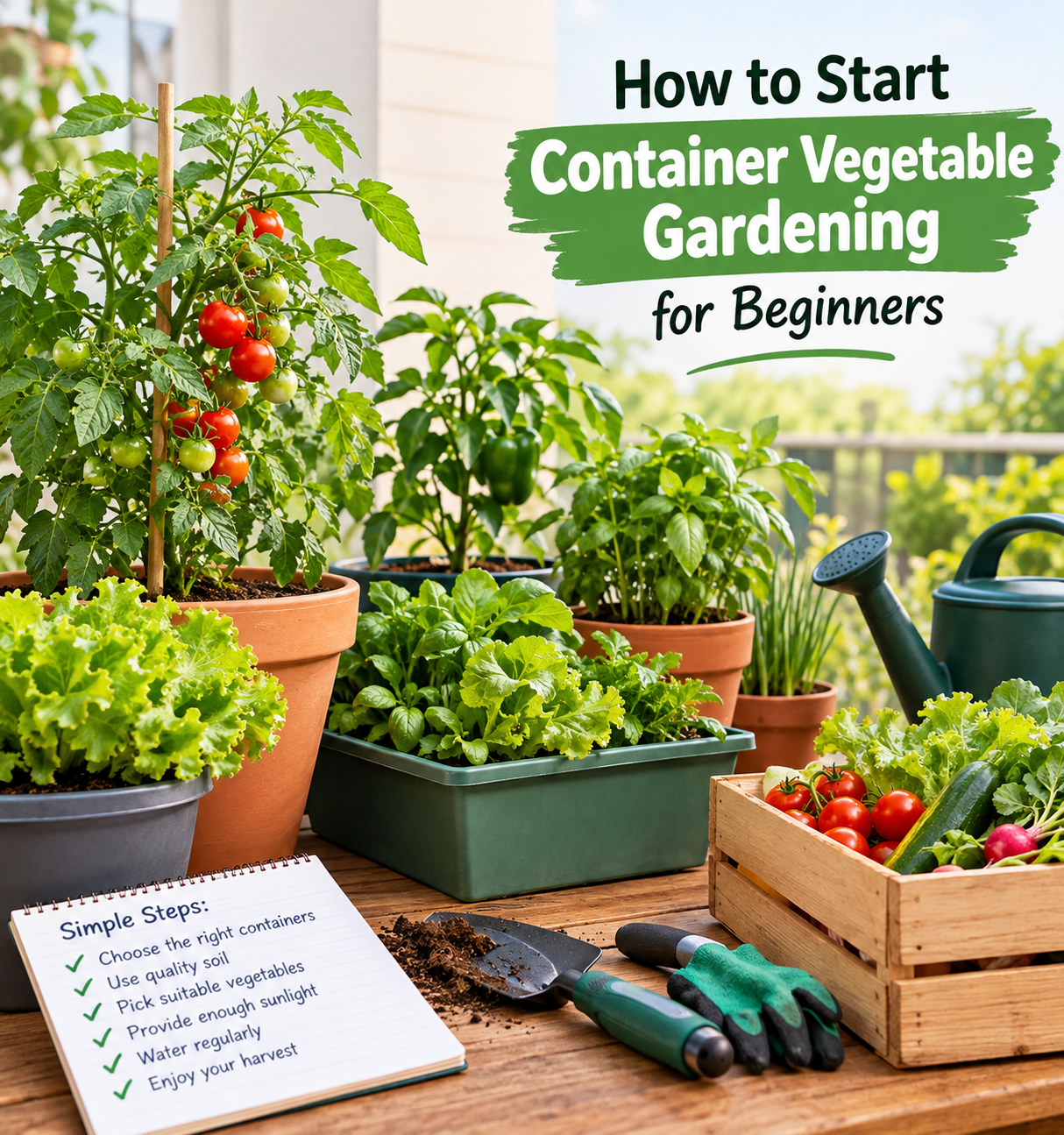
  • How to Start Container Vegetable Gardening for Beginners

    How to Start Container Vegetable Gardening for Beginners

    Container vegetable gardening is one of the easiest ways to grow fresh vegetables at home, especially if you do not have a large garden. I personally think it is a great option for beginners because you can start with just a few pots, some good soil, and vegetables that you actually enjoy eating. You do not need a large backyard to create a productive vegetable garden.

    Many people believe gardening requires a lot of space and experience, but that is not always true. With the right containers, suitable vegetables, enough sunlight, regular watering, and a little patience, almost anyone can grow vegetables in pots.

    In this guide, I will explain how to start container vegetable gardening for beginners and share the simple steps I would follow when starting a garden from scratch.

    Choose the Right Location

    The first thing I would consider before buying containers is the location. Most vegetables need plenty of sunlight to grow well. A place that receives around six to eight hours of direct sunlight each day is usually a good starting point for many common vegetables.

    A balcony, patio, rooftop, terrace, windowsill, or sunny area near your home can work well. If you have limited outdoor space, do not worry. You can still grow smaller vegetables and herbs in containers.

    Before placing your pots permanently, observe the area during the day. Notice how much sunlight it receives and whether nearby walls or buildings create shade.

    Good air circulation is also helpful. I would avoid placing containers in a location that stays completely closed or damp for long periods.

    Select Suitable Containers

    Choosing the right containers is one of the most important parts of container vegetable gardening. You can use plastic pots, clay pots, wooden planters, fabric grow bags, or other suitable gardening containers.

    The container should have drainage holes at the bottom. Excess water needs somewhere to escape because constantly wet soil can damage plant roots.

    The size of the container depends on the vegetable you want to grow. Smaller vegetables such as lettuce, radishes, and herbs can grow in relatively small containers. Tomatoes, peppers, eggplants, and larger plants usually need more space.

    I recommend beginners start with a few medium or large containers rather than buying too many pots at once. This makes the garden easier to manage and gives you a chance to understand what works best in your space.

    Use Good Quality Potting Soil

    Garden soil from the ground is not always the best choice for containers. It can become compacted and may not provide the drainage and air circulation that container plants need.

    For container vegetable gardening, I prefer using a quality potting mix designed for containers. A good mix should be loose, well draining, and able to hold enough moisture for plant roots.

    You can also improve your container soil with suitable organic material such as compost. Compost can provide nutrients and improve the overall structure of the growing medium.

    Avoid filling every container with heavy soil from your yard. Container plants depend on their limited growing space, so the quality of the soil can make a noticeable difference.

    Pick Easy Vegetables for Beginners

    One of the biggest mistakes beginners make is trying to grow too many difficult vegetables at once. I think it is better to start with vegetables that are relatively easy to manage.

    Some good vegetables for container gardening include tomatoes, peppers, lettuce, spinach, radishes, carrots, green onions, beans, cucumbers, and herbs.

    Cherry tomatoes can be a fun choice because they can produce a good amount of fruit when given proper care. Lettuce and spinach are also useful because they can grow in containers without requiring extremely deep soil.

    Radishes are another beginner friendly option because they generally grow quickly. Green onions and herbs can also be convenient choices for small spaces.

    Choose vegetables that your family actually enjoys eating. There is little benefit in growing a vegetable that nobody wants to harvest.

    Understand Container Size

    Every vegetable has different root requirements. Before planting, check how much space the selected vegetable normally needs.

    For example, lettuce can grow successfully in relatively shallow containers, while tomatoes usually need a much larger container. Root vegetables such as carrots need enough depth for the roots to develop properly.

    Overcrowding is another problem I would avoid. It may look attractive to place many plants in one container, but crowded plants compete for water, nutrients, sunlight, and root space.

    Giving plants enough room can improve air circulation and make watering and harvesting easier.

    Plant Seeds or Seedlings

    Beginners have two main options. You can grow vegetables from seeds or purchase young plants from a nursery.

    Growing from seeds can be inexpensive and satisfying, but it requires patience. Some vegetables are easy to start from seeds, while others may take longer to establish.

    Seedlings are convenient because they already have a head start. If you are completely new to gardening, starting with healthy seedlings can make the process easier.

    If you choose seeds, follow the planting depth and spacing instructions on the seed packet. Planting seeds too deeply is a common mistake.

    After planting, gently water the soil so the seeds do not get displaced.

    Provide Enough Sunlight

    Sunlight is essential for healthy vegetable plants. Most fruiting vegetables, including tomatoes and peppers, need several hours of direct sunlight each day.

    Leafy vegetables such as lettuce and spinach can sometimes tolerate slightly less sunlight, particularly in warmer conditions.

    If your plants receive too little light, they may become weak and stretched. Leaves can also appear smaller or less healthy.

    I would regularly observe the plants rather than simply assuming they are receiving enough sunlight. If necessary, move the containers to a brighter location.

    Water Your Container Vegetables Properly

    Watering is one of the most important parts of container vegetable gardening. Containers can dry out faster than garden beds because they have a limited amount of soil.

    I recommend checking the soil before watering instead of following a strict schedule every day. Push your finger gently into the top layer of soil. If it feels dry, the plant may need water.

    When watering, apply enough water to moisten the soil thoroughly. Some water should eventually drain from the bottom of the container.

    However, avoid keeping the soil constantly soaked. Too much water can reduce oxygen around the roots and may contribute to root problems.

    During hot and dry weather, container plants may need more frequent watering.

    Feed Your Plants

    Plants growing in containers have access to a limited amount of nutrients. Over time, nutrients can be used by the growing plants or washed out when you water.

    A suitable vegetable fertilizer or compost can help provide nutrients during the growing season.

    Always follow the instructions on the fertilizer package. More fertilizer does not automatically mean more vegetables. Excess fertilizer can damage plants.

    I prefer keeping feeding simple when starting out. Focus on healthy soil, proper watering, sunlight, and appropriate fertilizer rather than using many different products.

    Support Tall Plants

    Some vegetables need physical support as they grow. Tomatoes, cucumbers, beans, and certain other plants can become too heavy or tall to stand properly without help.

    You can use stakes, cages, trellises, or other suitable supports depending on the plant.

    It is usually easier to add support early rather than waiting until the plant becomes large. Early support can also help keep the plant organized and make harvesting easier.

    Make sure the support is stable enough to handle the mature size of the plant.

    How to Start Container Vegetable Gardening for Beginners

    Watch for Pests and Plant Problems

    Container gardening does not completely protect plants from insects and diseases. You should regularly inspect leaves, stems, and new growth.

    Look for holes in leaves, unusual spots, curled leaves, discoloration, or visible insects.

    The earlier you notice a problem, the easier it may be to manage. Remove badly damaged leaves when appropriate and keep the growing area clean.

    Avoid automatically using strong chemicals whenever you see an insect. First identify the problem and consider whether the insect is actually damaging the plant.

    Good air circulation, proper watering, healthy soil, and regular observation can help keep many common problems under control.

    Harvest Vegetables at the Right Time

    Harvesting is probably my favorite part of container vegetable gardening. There is something satisfying about picking vegetables that you have grown yourself.

    Different vegetables have different harvesting times. Lettuce can often be harvested by removing outer leaves, while tomatoes should generally be picked when they reach the desired stage of ripeness.

    Regular harvesting can also encourage some plants to continue producing.

    Do not be afraid to harvest. Beginners sometimes wait too long because they want the vegetables to become as large as possible. In many cases, younger vegetables can be tender and flavorful.

    Start Small and Learn

    If you are completely new to gardening, my biggest advice is to start small. You do not need twenty containers and ten different vegetable varieties.

    Start with three or four vegetables that are suitable for your climate and available space. Learn how often they need water, how much sunlight they prefer, and how quickly they grow.

    Keep simple notes about your garden. You can write down when you planted seeds, when you watered, when you fertilized, and when you harvested your first vegetables.

    These notes can become very useful during the next growing season because you will have your own experience to guide you.

    Common Container Gardening Mistakes

    There are several common mistakes beginners can avoid. Using containers without drainage holes is one of them. Another is choosing a container that is too small for the plant.

    Overwatering is also very common. People sometimes assume that plants need water every day regardless of the soil condition.

    Poor sunlight, overcrowding, low quality soil, and ignoring pests can also affect plant growth.

    The good thing is that gardening is a learning process. Even if a plant does not grow well, you can learn from the experience and improve your next attempt.

    Final Thoughts

    Starting container vegetable gardening for beginners does not have to be complicated. You can begin with a few suitable containers, quality potting soil, easy vegetables, enough sunlight, and regular care.

    In my opinion, the best way to become a better gardener is to start growing and pay attention to your plants. You will quickly learn how different vegetables respond to sunlight, water, soil, temperature, and feeding.

    Container gardening is also a practical way to enjoy fresh vegetables when you have limited outdoor space. Whether you live in an apartment, have a small balcony, or simply want a few vegetables near your kitchen, containers can make gardening much more accessible.

    Start with a few plants, keep your routine simple, and give yourself time to learn. With patience and consistent care, your small container garden can eventually become a productive and enjoyable part of your home.

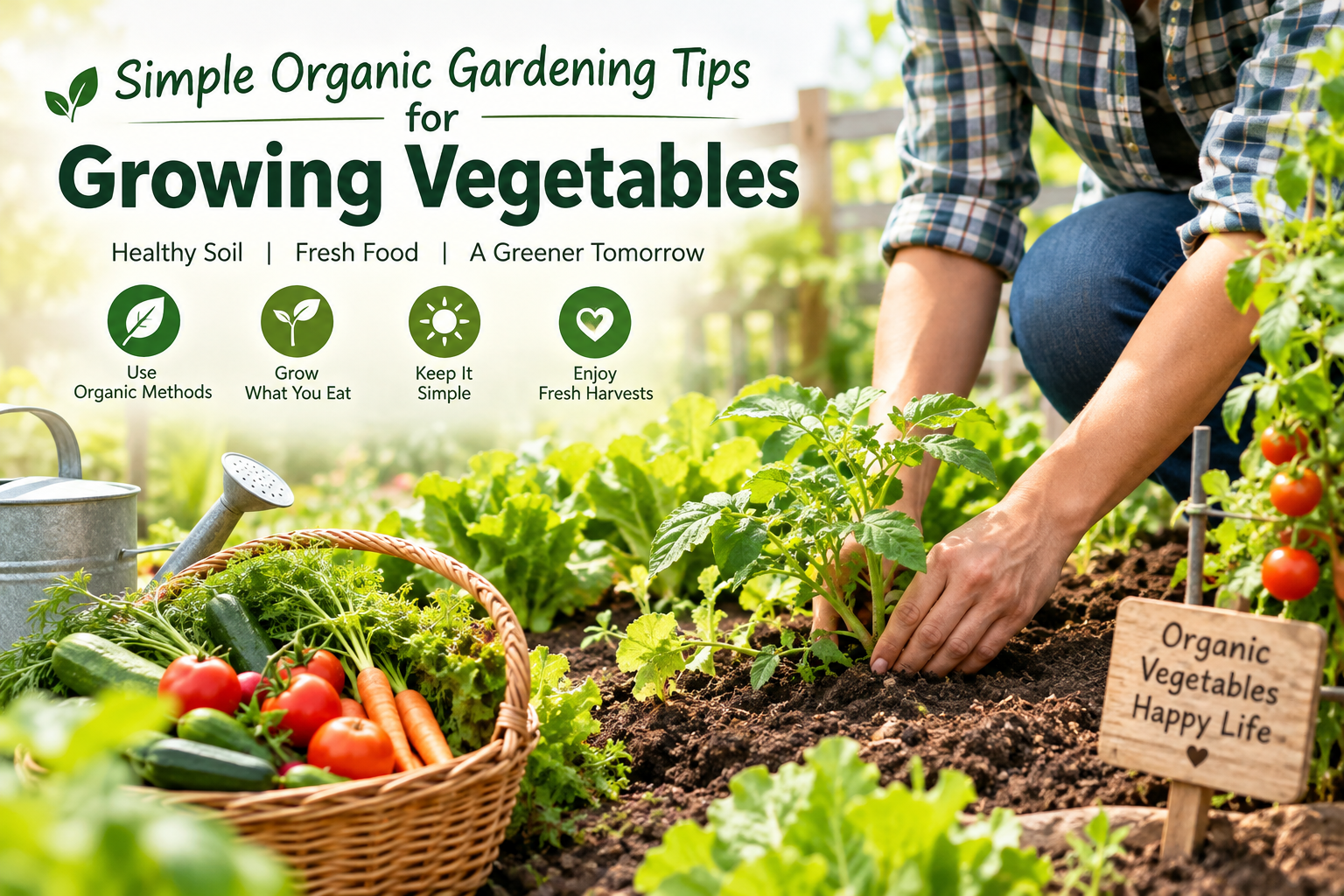
  • Simple Organic Gardening Tips for Growing Vegetables

    Simple Organic Gardening Tips for Growing Vegetables

    Growing vegetables organically is one of the most rewarding things I have found for a home garden. You do not need a large backyard, expensive equipment, or complicated gardening methods to get started. With healthy soil, good seeds, proper watering, enough sunlight, and regular care, you can grow fresh vegetables naturally at home.

    When I think about organic gardening, I focus on keeping things simple. The goal is not only to grow vegetables but also to create healthy soil and a garden environment where plants can grow naturally. Organic gardening can also be a good way to learn more about plants, reduce unnecessary chemical use, and enjoy fresh produce from your own garden.

    In this article, I will share some simple organic gardening tips for growing vegetables that beginners can easily follow.

    Start With Healthy Soil

    I believe healthy soil is the foundation of every successful vegetable garden. If the soil is poor, plants may struggle even when you provide enough water and sunlight.

    Before planting vegetables, take some time to improve the soil. You can add mature compost, well aged organic matter, or other suitable natural materials to increase soil quality. Compost can help improve soil structure and provide nutrients that plants need for healthy growth.

    Avoid adding fresh manure directly around young plants because it can be too strong and may damage plant roots. Well aged organic materials are generally a better choice for a home vegetable garden.

    You can also check whether your soil drains properly. Vegetables need moisture, but their roots should not remain in standing water for long periods.

    Choose Vegetables That Suit Your Garden

    One of the simplest organic gardening tips is to choose vegetables that are suitable for your local growing conditions.

    Before buying seeds, consider how much sunlight your garden receives. Most vegetables grow well when they receive several hours of direct sunlight each day. Some leafy vegetables can tolerate less sunlight than plants that produce fruits.

    For beginners, I recommend starting with vegetables that are relatively easy to grow. Lettuce, radishes, spinach, carrots, beans, cucumbers, tomatoes, and green onions can be good choices depending on your climate and growing season.

    Starting with a few vegetables also makes gardening easier to manage. Once you become comfortable, you can gradually add more plants.

    Use Good Quality Seeds

    Good quality seeds can make a noticeable difference in your vegetable garden. Choose seeds from a reliable source and check the recommended planting season.

    If possible, select vegetable varieties that are known to perform well in your region. Local varieties can sometimes be easier to grow because they are suited to the conditions of the area.

    I also recommend reading the information on the seed packet. It usually provides useful details about planting depth, spacing, sunlight, and harvesting time.

    Do not plant every seed in one small area. Giving plants enough space helps improve airflow and allows them to receive adequate sunlight.

    Make Your Own Compost

    Compost is one of my favorite tools for organic gardening. It allows gardeners to turn many natural materials into useful soil enrichment.

    You can create compost from materials such as vegetable scraps, fruit scraps, dry leaves, grass clippings, and other suitable organic materials. A healthy compost pile needs a balance of different materials, moisture, air, and time.

    Avoid putting meat, oily food, plastic, or materials treated with harmful chemicals into a home compost pile.

    Once compost becomes dark and crumbly with an earthy smell, it can be used around the garden according to the needs of your plants.

    Making compost can reduce household organic waste while giving your garden a useful natural resource.

    Water Vegetable Plants Properly

    Watering is important, but more water does not always mean healthier plants. Overwatering can cause root problems and create conditions that encourage certain plant diseases.

    I prefer to check the soil before watering. If the top layer feels dry, it may be time to water. If the soil is still moist, you may be able to wait.

    Water the soil around the base of the plant rather than constantly wetting the leaves. Morning watering is often useful because plants have time to absorb moisture during the day.

    The exact watering requirement depends on the vegetable, soil type, weather, and stage of plant growth.

    Use Organic Mulch

    Mulching is another simple technique that can make vegetable gardening easier. Organic mulch can include dry leaves, straw, grass clippings, or other suitable natural materials.

    A layer of mulch around plants can help the soil retain moisture. It can also reduce weed growth and protect the soil surface from extreme temperature changes.

    Do not place thick wet mulch directly against plant stems. Leave some space around the base of the plant to encourage good airflow.

    As organic mulch breaks down, it can also contribute organic matter to the soil.

    Control Garden Pests Naturally

    Pests are one of the common challenges in vegetable gardening. Instead of immediately reaching for strong chemical products, I prefer to start with simple natural methods.

    Inspect your plants regularly. Look underneath leaves because some insects hide there. Remove damaged leaves when appropriate and pick larger pests by hand if there are only a few.

    Keeping the garden clean can also help. Remove severely damaged plant material and avoid allowing weeds to take over the growing area.

    You can also encourage beneficial insects by growing flowers near your vegetable garden. Some helpful insects feed on common garden pests, while others assist with pollination.

    If a pest problem becomes serious, identify the pest first and then choose an appropriate organic gardening method.

    Keep Weeds Under Control

    Weeds compete with vegetables for water, sunlight, nutrients, and growing space. Regular weed control can therefore make a big difference.

    I find that removing small weeds is much easier than waiting until they become large. Gently pull weeds from the soil while they are young, taking care not to disturb vegetable roots.

    Mulching can also reduce the number of weeds that appear.

    Try not to leave large areas of bare soil if you can avoid it. Healthy plants, suitable mulch, and good garden planning can all help reduce weed problems.

    Rotate Your Vegetable Crops

    Crop rotation is a useful organic gardening practice, especially if you grow vegetables in the same area every year.

    Instead of planting the same type of vegetable in exactly the same location each season, move different plant families around the garden.

    For example, you might grow leafy vegetables in one section one season and grow beans or another suitable crop there later.

    Crop rotation can help reduce the buildup of certain pests and diseases associated with repeatedly growing the same crops in one place. It can also help you manage soil nutrients more effectively.

    Simple Organic Gardening Tips for Growing Vegetables

    Give Plants Enough Sunlight

    Sunlight is essential for most vegetable plants. Before creating your garden, observe your outdoor space during the day and identify areas that receive good sunlight.

    Fruit producing vegetables such as tomatoes, peppers, and cucumbers generally need plenty of sunlight. Leafy vegetables can sometimes perform well with less direct sunlight.

    If you are growing vegetables in containers, you have the advantage of moving them when necessary. This can be especially useful in small gardens, balconies, or patios.

    Grow Vegetables in Containers

    You do not need a large garden to practice organic vegetable gardening. Containers can be an excellent option for people with limited space.

    Tomatoes, peppers, lettuce, herbs, radishes, and some other vegetables can grow successfully in suitable containers.

    Make sure the containers have drainage holes. Use good quality growing soil and choose a container that provides enough room for the plant’s roots.

    Container gardening also makes it easier to control the growing environment and move plants when sunlight conditions change.

    Pay Attention to Your Plants

    One of the best gardening habits is simply observing your plants regularly.

    Look at the leaves, stems, flowers, and soil. Healthy plants often show steady growth and strong color. Changes in appearance can provide early clues that something needs attention.

    For example, yellow leaves can have several possible causes, including watering problems, nutrient issues, pests, or natural aging. Instead of immediately adding fertilizer, I recommend checking the overall growing conditions first.

    Regular observation allows you to solve small problems before they become major ones.

    Avoid Overusing Natural Fertilizers

    Organic does not mean that more fertilizer is always better. Even natural fertilizers should be used carefully.

    Too much fertilizer can create nutrient problems and may affect plant growth. Before adding anything, consider the condition of your soil and the needs of the specific vegetable.

    Compost is often a useful general soil improvement material, but different plants have different nutrient requirements.

    I believe the best approach is to improve the soil gradually and observe how your plants respond.

    Harvest Vegetables at the Right Time

    Harvesting is one of the most enjoyable parts of growing vegetables at home. Picking vegetables at the appropriate stage can encourage continued production for some crops.

    Leafy greens can often be harvested gradually by removing outer leaves. Beans and cucumbers are usually picked while they are still tender. Tomatoes can be harvested according to the variety and your preferred level of ripeness.

    Use clean tools when necessary and handle plants gently during harvesting.

    Freshly harvested vegetables can be used immediately in meals, which is one of the biggest benefits of having a home vegetable garden.

    Keep Gardening Simple

    Organic gardening does not need to be complicated. I have found that simple habits often make the biggest difference.

    Start with healthy soil, choose suitable vegetables, provide enough sunlight, water carefully, use organic mulch, control weeds, watch for pests, and give your plants regular attention.

    Do not worry if every plant does not grow perfectly. Gardening is a learning process. Some seasons will be better than others, and every problem can teach you something useful.

    Final Thoughts

    Growing vegetables organically can be a simple and enjoyable hobby for beginners. You can start with a small garden and a few easy vegetables rather than trying to grow everything at once.

    The most important organic gardening tips are to build healthy soil, choose suitable plants, water correctly, use natural soil improvements, protect plants from pests, and observe your garden regularly.

    In my opinion, the best part of organic vegetable gardening is the connection you develop with the growing process. You plant a seed, care for it, watch it develop, and eventually harvest something that you can use in your own kitchen.

    With patience and consistent care, even a small garden can produce fresh vegetables while creating a healthier and more natural growing environment.

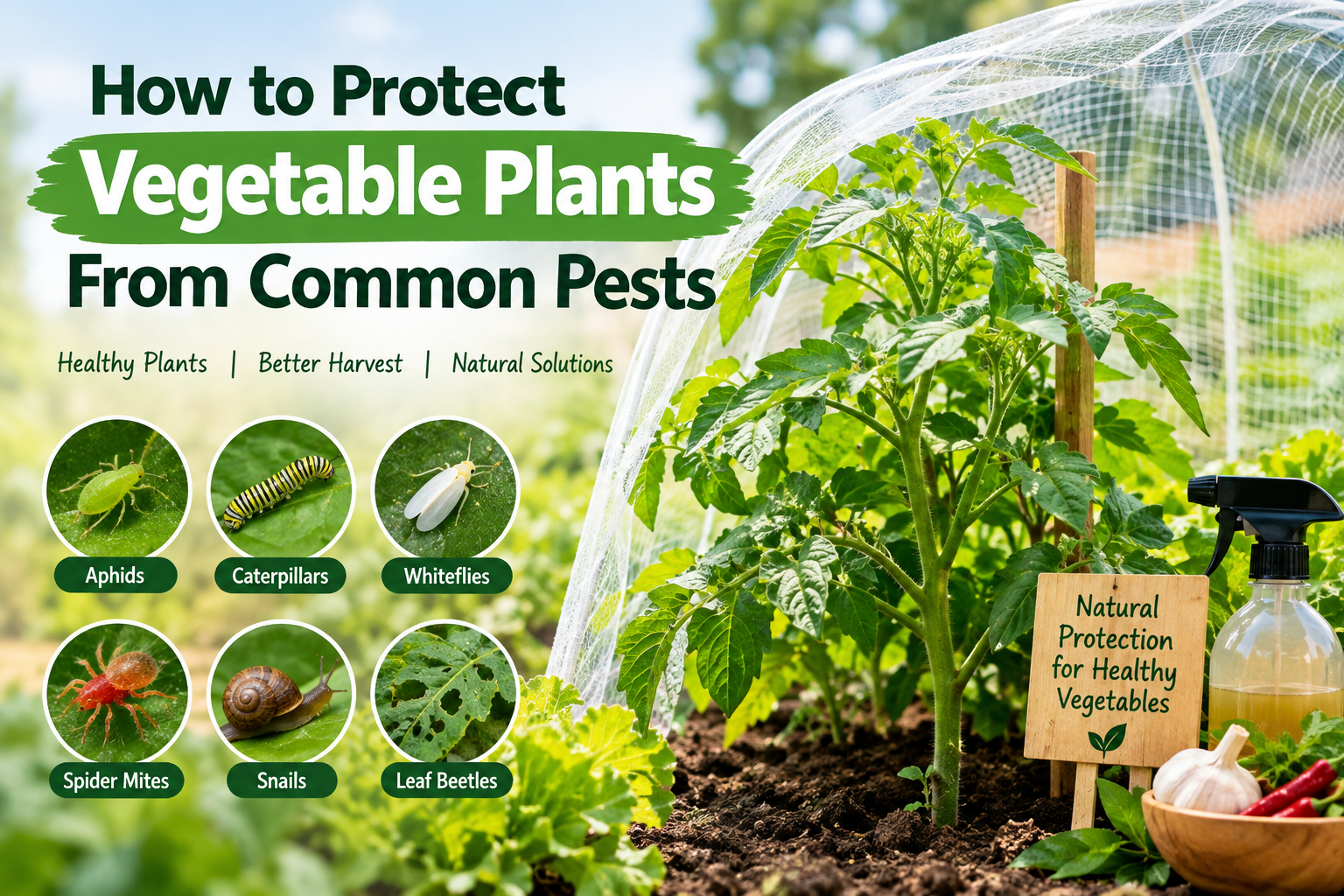
  • How to Protect Vegetable Plants From Common Pests

    How to Protect Vegetable Plants From Common Pests

    Growing vegetables at home can be a rewarding experience, but common garden pests can quickly turn healthy plants into weak and damaged ones. When I started paying more attention to my vegetable garden, I realized that preventing pests is much easier than trying to save a plant after serious damage has already happened. A few simple habits can make a big difference in keeping vegetable plants healthy.

    Common garden pests such as aphids, caterpillars, whiteflies, spider mites, beetles, snails, and slugs can attack different parts of vegetable plants. Some insects feed on leaves, while others damage stems, roots, flowers, or young vegetables. The good thing is that you do not always need strong chemical pesticides to protect your garden.

    In this guide, I will share some simple methods that I find useful for protecting vegetable plants from common pests.

    Why Vegetable Plants Attract Pests

    Vegetable plants provide insects with food, shelter, and a place to reproduce. Young plants are especially attractive because their leaves are soft and easy for many insects to eat.

    A garden with weak plants, poor soil, excessive moisture, or too many weeds can also become more attractive to pests. I have found that healthy plants are generally better able to handle small pest problems.

    Regular observation is one of the most important steps. If you notice a few insects or small holes in the leaves early, you can often deal with the problem before it spreads throughout the garden.

    Check Your Plants Regularly

    One of the easiest ways to protect vegetable plants is to inspect them regularly. I recommend checking the leaves, stems, and soil several times a week.

    Look carefully under leaves because many pests hide there. Aphids, whiteflies, and some caterpillars can be difficult to notice from a distance. Also look for yellowing leaves, sticky surfaces, holes, curled leaves, or unusual spots.

    When you find a pest early, remove it by hand if possible. For a small garden, this simple method can be surprisingly effective.

    Keep the Garden Clean

    Garden cleanliness plays an important role in pest prevention. Remove dead leaves, fallen vegetables, weeds, and damaged plant material from around your vegetable plants.

    Weeds can provide shelter for insects and may compete with vegetables for water and nutrients. I prefer to remove weeds regularly instead of allowing them to become established.

    At the end of the growing season, clean old plant material from the garden. This can reduce the places where certain pests may survive.

    Use Physical Barriers

    Physical barriers are one of my favorite ways to protect vegetable plants because they can reduce pest problems without applying products directly to the plants.

    Garden netting, insect mesh, row covers, and simple plant covers can prevent many insects from reaching vegetables. These barriers can be particularly useful for young plants.

    Make sure the cover is secured around the edges so insects cannot easily enter from underneath. At the same time, plants still need enough sunlight, air movement, and water.

    For larger plants such as tomatoes, simple support structures can hold protective netting above the plant without restricting its growth.

    Encourage Helpful Insects

    Not every insect in the garden is harmful. Some insects actually help protect vegetable plants by feeding on pests.

    Ladybugs, lacewings, praying mantises, and some other beneficial insects can help reduce populations of unwanted insects. Bees and other pollinators are also important for many vegetable plants.

    I try to avoid disturbing helpful insects whenever possible. Growing a variety of flowers and plants can make the garden more welcoming to beneficial insects.

    A healthy garden ecosystem can sometimes provide natural pest control without requiring constant treatment.

    Protect Plants From Aphids

    Aphids are small insects that often gather on young leaves and stems. They can cause leaves to curl, become weak, or develop unusual growth.

    If I notice only a few aphids, I usually remove them by hand or gently wash them from the plant with water. Regularly checking new growth can help because aphids often gather around soft plant parts.

    Encouraging beneficial insects can also help control aphid populations naturally.

    If you decide to use any pest control product, always read the label carefully and make sure it is suitable for edible vegetable plants.

    Deal With Caterpillars

    Caterpillars can create large holes in vegetable leaves and may cause significant damage when their numbers increase.

    I recommend checking both sides of leaves when looking for caterpillars or their eggs. If you find only a few, removing them by hand can be a simple solution.

    Protective garden netting can also help prevent certain adult insects from reaching plants and laying eggs.

    Keeping the garden clean and checking plants frequently can make caterpillar problems much easier to manage.

    Control Snails and Slugs

    Snails and slugs can be especially troublesome in damp gardens. They often feed at night and may leave large holes in young leaves.

    I find it helpful to inspect the garden during the evening or early morning when these pests are more active. Remove hiding places such as unnecessary boards, piles of leaves, and garden debris.

    Avoid creating constantly wet conditions around vegetable plants. Good drainage can help make the garden less attractive to moisture loving pests.

    Watch for Whiteflies and Spider Mites

    Whiteflies are tiny insects that often fly away when an affected plant is disturbed. They commonly gather underneath leaves.

    Spider mites are even smaller and can be difficult to see. Their damage may appear as tiny pale spots on leaves, and serious infestations can cause leaves to become dry or weak.

    Regular inspection is important because these pests can multiply quickly during suitable weather conditions.

    Keeping plants properly watered and healthy can help them handle stress better. However, avoid overwatering because constantly wet soil can create other problems.

    Use Healthy Soil

    Healthy soil is an important part of natural pest prevention. Vegetable plants growing in good soil usually have better access to nutrients and water.

    Before planting, improve the soil with suitable organic matter such as well prepared compost. Make sure the soil drains properly and avoid creating conditions where plant roots remain constantly wet.

    I believe that garden care should focus on the whole plant rather than only treating insects when they appear. Strong plants, healthy soil, proper watering, and enough sunlight all contribute to a healthier vegetable garden.

    How to Protect Vegetable Plants From Common Pests

    Avoid Overwatering and Overfertilizing

    Too much water can create weak growing conditions and may contribute to fungal problems. Excessive fertilizer can also encourage soft plant growth that may attract certain pests.

    Water vegetable plants according to their needs and local weather conditions. Water deeply when necessary rather than constantly giving very small amounts.

    Use fertilizer according to the instructions on the product. More fertilizer does not always mean better growth.

    Balanced care is usually more useful than trying to make plants grow as quickly as possible.

    Rotate Your Vegetable Crops

    Crop rotation is another useful strategy for reducing recurring pest problems. Instead of planting the same type of vegetable in the same location every season, change the planting area when possible.

    Different vegetable families have different pest and disease problems. Rotating crops can make it harder for some pests and diseases to continue using the same area year after year.

    For small gardens, even simple rotation can be helpful. Keep a basic record of where you plant tomatoes, peppers, beans, leafy vegetables, and other crops.

    Remove Seriously Damaged Leaves

    If a leaf is heavily damaged or covered with pests, removing it can sometimes prevent the problem from spreading.

    Use clean garden scissors when removing affected plant material. Do not leave badly infested leaves lying around the garden because pests may simply move to another plant.

    However, avoid removing large amounts of healthy foliage unnecessarily. Vegetable plants need their leaves to produce energy through photosynthesis.

    Use Pest Control Products Carefully

    Sometimes a pest problem becomes too large for simple methods. In such cases, a suitable garden pest control product may be considered.

    I believe chemical control should not be the first step when a simple prevention method can solve the problem. Always identify the pest before choosing a treatment.

    Read the product label carefully and follow all instructions. Pay particular attention to information about edible crops, application rates, waiting periods, and safety precautions.

    Never assume that a product is safe for vegetables simply because it is marketed for gardens.

    Prevention Is Better Than Treatment

    The best way to protect vegetable plants from common pests is to combine several simple practices. Regular inspection, clean garden beds, healthy soil, physical barriers, beneficial insects, proper watering, and crop rotation can all work together.

    I have found that spending a few minutes checking plants regularly is much easier than dealing with a serious infestation later. You do not need a perfect garden to grow healthy vegetables. You simply need to pay attention and respond early when something looks unusual.

    Final Thoughts

    Protecting vegetable plants from common pests does not have to be complicated. Most home gardeners can reduce pest problems by creating healthy growing conditions and checking plants regularly.

    Start by looking closely at your plants several times a week. Remove visible pests, clean the garden, control weeds, and use protective covers when necessary. Encourage helpful insects and focus on keeping your vegetable plants strong.

    If you notice a pest problem, identify the pest before choosing a treatment. This helps you avoid unnecessary products and gives you a better chance of solving the actual problem.

    For me, successful vegetable gardening is not about completely eliminating every insect. It is about maintaining a healthy balance where vegetables can grow well while common pest problems remain under control. With patience, regular observation, and simple preventive habits, you can protect your vegetable plants and enjoy a healthier harvest from your home garden.

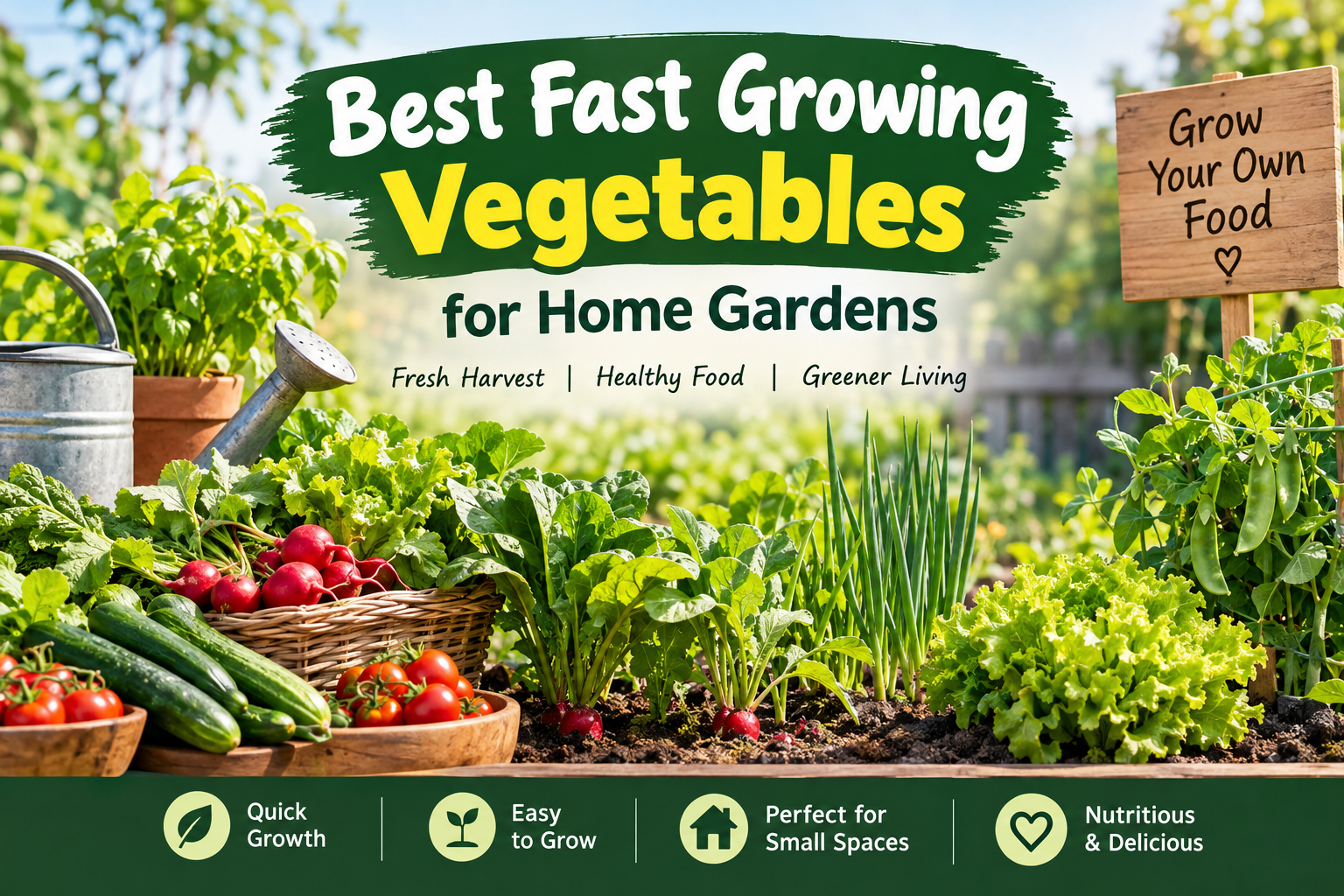
  • Best Fast Growing Vegetables for Home Gardens

    Best Fast Growing Vegetables for Home Gardens

    Growing vegetables at home is one of the most enjoyable ways to make better use of a garden, balcony, backyard, or even a few containers. I personally think that fast growing vegetables are especially useful for beginners because they allow you to see results sooner. When you plant something and start seeing fresh leaves within a few days or weeks, it gives you the motivation to continue gardening.

    Not every vegetable needs a long growing season. Many vegetables can be harvested in a short period when they receive enough sunlight, water, healthy soil, and regular care. If you are looking for the best fast growing vegetables for home gardens, there are several easy options that can give you a fresh harvest without requiring too much experience.

    In this guide, I will share some of the fastest growing vegetables that I recommend for home gardeners. These vegetables are suitable for beginners and can work well in small gardens, raised beds, and containers.

    Why Grow Fast Growing Vegetables?

    One of the biggest advantages of growing fast growing vegetables is that you do not have to wait for months before enjoying your harvest. Some vegetables can provide edible leaves within a few weeks, while others can produce mature vegetables relatively quickly.

    Fast growing vegetables are also useful when you have limited gardening space. Instead of waiting for one crop for a long time, you can grow several crops during the same season.

    I also like fast growing vegetables because they make gardening feel more rewarding. Beginners can learn important skills such as watering, thinning, harvesting, and caring for soil while enjoying fresh vegetables at the same time.

    1. Radishes

    Radishes are among the best fast growing vegetables for home gardens. They are simple to grow and usually do not require much space. Many varieties can be ready for harvesting in around three to five weeks.

    Radishes grow well in loose and well drained soil. They prefer a sunny location, although they can tolerate some light shade. I recommend planting the seeds directly into the soil because radishes do not always respond well to being transplanted.

    Keep the soil slightly moist while the seeds are growing. Once the roots become large enough, you can gently pull them from the soil.

    Radishes are especially good for beginners because they provide quick results and can also be grown in containers.

    2. Lettuce

    Lettuce is another excellent choice if you want a quick vegetable harvest. Leaf lettuce varieties can often be harvested much earlier than varieties that form large heads.

    One thing I like about growing lettuce is that you do not always need to wait for the entire plant to mature. You can pick the outer leaves while allowing the center of the plant to continue growing.

    Lettuce prefers cool weather and partial shade can be helpful when temperatures become warm. Keep the soil consistently moist but avoid making it excessively wet.

    For a small home garden, lettuce is one of the easiest vegetables to grow because it does not need a lot of space.

    3. Spinach

    Spinach is a nutritious leafy vegetable that can grow relatively quickly under suitable conditions. It is particularly useful for gardeners who want fresh greens for salads, soups, and cooked meals.

    Spinach generally prefers cooler temperatures. Planting it during a suitable season can help you get better results.

    You can harvest young spinach leaves when they are small and tender. Regular harvesting can encourage you to keep using the plant rather than waiting for one large harvest.

    If your garden has limited space, spinach can also be grown in containers. Choose a container with good drainage and use quality soil.

    4. Green Onions

    Green onions are another vegetable I recommend for home gardeners who want something easy and relatively quick. They do not require a large growing area and can grow well in containers.

    You can grow green onions from seeds, sets, or suitable kitchen scraps. When using scraps, place the root section in soil or water initially and then move it into soil when appropriate.

    Green onions need regular moisture and sunlight for healthy growth. You can harvest the green leaves as needed while allowing the plant to continue developing.

    They are particularly useful because you can add them to salads, soups, rice dishes, eggs, and many other meals.

    5. Arugula

    Arugula is a fast growing leafy green with a slightly peppery flavor. It is a great option if you want something different from traditional lettuce and spinach.

    The seeds can be planted directly into prepared soil. Under good conditions, young leaves may become ready for harvesting within a few weeks.

    I recommend harvesting smaller leaves if you prefer a mild flavor. Larger leaves usually have a stronger taste.

    Arugula can be grown in garden beds or containers, making it a practical choice for people with limited outdoor space.

    6. Peas

    Peas can also be a rewarding vegetable for a home garden. They prefer cooler weather and can grow quickly when planted during the right season.

    Peas need support as they grow because many varieties produce climbing vines. A simple trellis, stick structure, or garden net can help keep the plants upright.

    Regular harvesting is important because picking mature pods can encourage the plant to continue producing.

    Before planting peas, make sure your garden receives enough sunlight and that the soil drains well.

    7. Baby Carrots

    Carrots are often associated with a long growing period, but smaller carrot varieties and baby carrots can provide an earlier harvest.

    Carrots need loose soil because the roots grow underground. Hard or rocky soil can cause the roots to become twisted or poorly shaped.

    When growing carrots, I recommend removing small weeds around the plants because young carrot seedlings can have difficulty competing with weeds.

    You can harvest carrots when they reach a useful size. If you enjoy small and tender carrots, you do not necessarily need to wait until they become very large.

    8. Bush Beans

    Bush beans can be a good choice for gardeners looking for vegetables that produce a useful harvest without needing complicated support structures.

    Unlike climbing beans, bush beans generally grow in a compact form. This makes them suitable for many backyard gardens and larger containers.

    Beans prefer warm weather, sunlight, and reasonably fertile soil. Regular watering is important, particularly when the plants are flowering and producing pods.

    Harvest the beans while the pods are still young and tender. Picking them regularly can help maintain production.

    Best Fast Growing Vegetables for Home Gardens

    9. Turnips

    Turnips are another vegetable worth considering when you want a relatively quick crop. Both the roots and young greens can be useful in the kitchen.

    Turnips generally prefer cooler growing conditions. Plant the seeds in loose soil and keep the area free from excessive weeds.

    The roots can be harvested while they are young and tender. If left too long, some varieties can become less tender.

    Turnips are useful for gardeners who want to make the most of their garden space because you can enjoy both the leafy greens and the roots.

    10. Mustard Greens

    Mustard greens are fast growing leafy vegetables that can add a strong flavor to salads and cooked dishes. They are especially suitable for gardeners who enjoy fresh greens.

    They generally grow well during cooler weather and can provide young leaves relatively quickly.

    You can harvest individual leaves instead of removing the whole plant. This allows the plant to continue producing new growth.

    Mustard greens can also grow in containers, making them suitable for balconies, patios, and small gardens.

    How to Make Vegetables Grow Faster

    Choosing fast growing vegetables is only part of getting a quick harvest. Proper care can make a major difference.

    First, prepare healthy soil before planting. Good soil should drain properly while still holding enough moisture for the plants. Adding suitable organic material can improve soil structure.

    Second, provide enough sunlight. Most vegetables need several hours of sunlight every day. Before planting, choose a location that receives good natural light.

    Water your vegetables regularly, but do not simply water according to a fixed schedule. Check the soil first. If the surface is becoming dry, the plants may need water.

    Weeds should also be removed regularly. Weeds compete with vegetables for water, nutrients, sunlight, and space.

    Finally, harvest vegetables at the right time. Leaving vegetables on the plant for too long can sometimes reduce quality and slow continued production.

    Fast Growing Vegetables for Small Gardens

    If you have a small garden, you do not need to grow every vegetable on this list. I recommend starting with radishes, lettuce, spinach, green onions, and arugula.

    These vegetables require relatively little space and can work well in containers or small raised beds. You can also grow several types together as long as their sunlight, watering, and temperature requirements are compatible.

    Vertical growing can also help when space is limited. Vegetables such as peas can grow upward when provided with suitable support.

    Common Mistakes Beginners Should Avoid

    One common mistake is planting too many vegetables at once. When you are new to gardening, starting with a few easy crops is usually better.

    Another mistake is watering too much. More water does not always mean faster growth. Excessive moisture can create problems with roots and soil.

    Poor soil is another issue. Vegetables need nutrients to produce healthy leaves, roots, and fruits. Preparing the soil before planting can make your gardening experience much easier.

    Finally, do not become discouraged if every plant does not grow perfectly. Gardening is a learning process. Weather, soil, pests, sunlight, and watering can all affect plant growth.

    Final Thoughts

    Growing fast growing vegetables at home is a simple way to enjoy fresh food while learning valuable gardening skills. Vegetables such as radishes, lettuce, spinach, green onions, arugula, peas, baby carrots, bush beans, turnips, and mustard greens can be excellent choices for home gardens.

    In my experience, the best approach for beginners is to start small and choose vegetables that match the space and season available to you. Give your plants healthy soil, enough sunlight, regular watering, and proper care.

    The most important thing is to enjoy the process. You do not need a huge backyard or professional gardening equipment to grow vegetables. Even a few containers can give you a satisfying harvest. Once you see your first vegetables growing, you may find yourself wanting to try more varieties and create an even better home garden.

  • How to Grow Vegetables in a Small Space

    How to Grow Vegetables in a Small Space

    Growing vegetables at home does not always require a large backyard or a big garden. In my experience, even a small balcony, patio, rooftop, window area, or tiny outdoor corner can become a productive vegetable garden when the available space is used wisely. The key is to choose the right vegetables, suitable containers, good soil, and a simple growing method.

    If you are wondering how to grow vegetables in a small space, you do not need to make the process complicated. With a little planning and regular care, you can grow fresh vegetables for your kitchen while enjoying the experience of gardening.

    In this guide, I will share some simple methods that I believe are useful for beginners who want to start a small vegetable garden at home.

    Choose the Right Location

    The first thing I consider when growing vegetables in a small space is sunlight. Most vegetables need several hours of sunlight every day to grow well. Before buying seeds or containers, look around your home and find the brightest suitable location.

    A balcony with good sunlight can work very well. A rooftop, patio, terrace, or sunny area near a window can also be useful. Leafy vegetables may tolerate slightly less sunlight, while vegetables such as tomatoes, peppers, cucumbers, and beans generally perform better when they receive plenty of direct sunlight.

    If your space receives limited sunlight, do not give up. Start with vegetables that can tolerate partial shade, such as lettuce, spinach, radishes, and some herbs.

    Start With Containers

    Containers are one of the easiest ways to grow vegetables in a small space. You can use pots, boxes, buckets, grow bags, or other suitable containers as long as they are clean and have proper drainage.

    I prefer containers with drainage holes because excess water needs somewhere to escape. Without good drainage, the roots can remain wet for too long, which may cause root problems.

    The size of the container should match the vegetable you want to grow. Small vegetables such as radishes and lettuce can grow in relatively shallow containers. Tomatoes and other larger plants usually need deeper and wider containers.

    You do not need to buy expensive gardening containers. A simple container can work perfectly when it has enough space for the roots and proper drainage.

    Select Vegetables That Save Space

    When space is limited, choosing the right vegetables makes a big difference. I recommend starting with compact vegetables that do not require a huge amount of growing area.

    Some vegetables that can work well in a small vegetable garden include:

    Lettuce

    Spinach

    Radishes

    Green onions

    Carrots

    Cherry tomatoes

    Peppers

    Bush beans

    Cucumbers

    Herbs

    These vegetables can be grown in containers and can provide a useful harvest without requiring a large garden.

    Cherry tomatoes are particularly useful because they can produce a good amount of fruit from a relatively small growing area. Radishes and leafy greens are also excellent choices for beginners because they can grow fairly quickly.

    Use Vertical Gardening

    One of my favorite solutions for a small garden is vertical gardening. Instead of using only the floor, you can use walls, shelves, hanging containers, and supports to grow plants upward.

    Cucumbers, beans, and some tomato varieties can be trained to grow vertically with suitable support. This allows the plant to use upward space instead of spreading across the ground.

    You can also place smaller containers on shelves. This creates several growing levels while keeping the footprint small.

    However, always make sure the structure is stable and strong enough to support the containers and plants. Safety should come before saving space.

    Prepare Good Soil

    Good soil is one of the most important parts of successful vegetable gardening. Even if you have excellent seeds, poor soil can make it difficult for plants to grow properly.

    For container gardening, I recommend using a good quality potting mix rather than relying only on heavy garden soil. A suitable growing mix should allow water to drain while still holding enough moisture for the roots.

    Healthy soil also provides plants with access to important nutrients. You can improve the growing medium with suitable organic matter or compost.

    Before planting, I like to make sure the soil feels loose and easy to work with. Compact soil can make it harder for roots to spread and can interfere with drainage.

    Plant Vegetables According to Their Size

    When growing vegetables in a small space, overcrowding is one of the easiest mistakes to make. It can be tempting to put many plants into one container because space is limited, but plants still need enough room for their roots, leaves, air circulation, and sunlight.

    Always check the recommended spacing for the vegetable you are growing. If plants are placed too close together, they may compete for water and nutrients.

    I have found that growing fewer healthy plants is usually better than trying to grow too many plants in a small container.

    Try Succession Planting

    Succession planting is another useful method for small vegetable gardens. Instead of planting everything at the same time, you can plant small amounts at different times.

    For example, you can sow a few radish or lettuce seeds, wait for them to develop, and then plant another small batch later. This can help you enjoy fresh vegetables over a longer period rather than having everything ready for harvest at the same time.

    This method is especially useful when your growing space is limited because you can reuse containers after harvesting one crop.

    Water Your Plants Carefully

    Watering is important, but more water does not always mean healthier plants. In my experience, beginners often make the mistake of watering container vegetables too frequently.

    The amount of water required depends on the vegetable, container size, soil, temperature, and weather. Check the soil before watering. If the upper layer feels dry, the plant may need water.

    During hot weather, containers can dry out more quickly than garden soil. You may need to check them more frequently.

    Water slowly and allow excess water to drain from the bottom. Avoid keeping containers permanently soaked.

    Feed Your Vegetables

    Plants growing in containers have limited access to nutrients because they cannot spread their roots through a large area of soil. As a result, nutrients can become depleted over time.

    Using compost or a suitable vegetable fertilizer can help provide nutrients during the growing season. Always follow the instructions on any fertilizer product you use.

    I prefer keeping plant care simple. Regular watering, healthy soil, enough sunlight, and appropriate feeding can go a long way.

    How to Grow Vegetables in a Small Space

    Grow Herbs Alongside Vegetables

    Herbs are excellent for small gardens because many of them grow well in containers. You can grow herbs such as basil, mint, coriander, parsley, and other suitable varieties depending on your climate.

    Growing herbs alongside vegetables can make your small garden more useful. Instead of using your limited space for only one type of plant, you can create a mixture of vegetables and herbs.

    Just remember that some herbs can spread quickly, so it is often better to keep aggressive spreading plants in their own containers.

    Use Hanging Containers

    Hanging containers can be helpful when floor space is extremely limited. They allow you to grow plants above the ground while leaving the lower area available for other containers.

    Small leafy vegetables and herbs can work well in suitable hanging containers. Some trailing plants can also be grown this way.

    Before using hanging containers, make sure the hooks and support points are strong enough. A container becomes much heavier after it is filled with wet soil and a mature plant.

    Protect Plants From Pests

    Even a small vegetable garden can attract pests. You may notice insects feeding on leaves, stems, or young vegetables.

    The best approach is to check your plants regularly. Look underneath leaves and around new growth because some pests can be easy to miss.

    Remove damaged leaves when appropriate and keep the growing area clean. Good air circulation and proper watering can also help maintain healthy plants.

    If you notice a serious pest problem, identify the pest before choosing a treatment. I believe it is better to understand the problem first rather than immediately applying unnecessary products.

    Harvest Vegetables at the Right Time

    Harvesting is one of the most enjoyable parts of growing vegetables at home. Picking vegetables at the right stage can encourage some plants to continue producing.

    Leafy greens can often be harvested gradually instead of removing the entire plant. Herbs can also be harvested regularly by taking suitable amounts from the plant.

    For vegetables such as radishes, carrots, tomatoes, and peppers, check their size and appearance to determine when they are ready.

    Regular harvesting can also give you more space to start another crop in your container garden.

    Make a Simple Small Space Garden Plan

    Before buying many seeds, I recommend making a simple plan. Look at the amount of sunlight available and measure the space you have.

    Then decide how many containers you can comfortably manage. Choose vegetables based on the available space rather than choosing too many varieties.

    For a beginner, a few containers can be enough. You could start with lettuce, radishes, green onions, one tomato plant, and a few herbs.

    Once you understand how your plants respond to your local weather and growing conditions, you can gradually expand the garden.

    Final Thoughts

    Learning how to grow vegetables in a small space is much easier when you focus on practical methods instead of trying to create a perfect garden immediately. You can grow fresh vegetables in containers, use vertical space, choose compact varieties, and make good use of balconies, patios, rooftops, and other small areas.

    The most important thing is to start small and learn as you go. Give your plants enough sunlight, use suitable soil, water carefully, provide nutrients when needed, and check your plants regularly.

    You do not need a huge backyard to enjoy homegrown vegetables. With thoughtful planning, even a small space can become a productive vegetable garden. For me, that is one of the best things about gardening. It allows almost anyone to grow something fresh at home, regardless of how much space they have.

  • Simple Vegetable Garden Ideas for Beginners

    Simple Vegetable Garden Ideas for Beginners

    Starting a vegetable garden can feel difficult when you have never grown vegetables before. I used to think that growing fresh vegetables required a large backyard, expensive tools, and a lot of gardening experience. With time, I learned that this is not true. You can start with a small space, a few easy vegetables, good soil, and regular care.

    If you are looking for simple vegetable garden ideas for beginners, my biggest advice is to start small. A small garden is easier to manage and gives you the confidence to learn. Once you understand how plants grow, you can slowly expand your garden.

    In this article, I will share some simple vegetable garden ideas that beginners can use at home. These ideas are practical, affordable, and suitable for people who want to enjoy fresh vegetables without making gardening complicated.

    Start With a Small Garden

    One of the easiest vegetable gardening ideas for beginners is to start with a small garden. You do not need a huge area to grow useful vegetables. Even a small corner of your backyard can produce fresh food.

    If you have limited space, choose an area that receives several hours of sunlight each day. Most vegetables need good sunlight to grow properly. Before planting, remove weeds, stones, and other unwanted materials from the area.

    I recommend starting with a garden that is easy for you to reach. You should be able to water the plants, check the leaves, remove weeds, and harvest vegetables without difficulty.

    A small garden also helps you understand how much time gardening requires. After gaining experience, you can decide whether you want to create a larger vegetable garden.

    Grow Easy Vegetables First

    Beginners should choose vegetables that are relatively easy to grow. There is no reason to start with plants that require complicated care.

    Some good vegetables for beginners include lettuce, radishes, spinach, green beans, carrots, cucumbers, tomatoes, and green onions. These vegetables can be rewarding because you can see their growth and eventually enjoy them in your meals.

    I personally believe that growing vegetables you already like to eat is one of the best ways to stay interested in gardening. If you love tomatoes, grow tomatoes. If you regularly use green onions in cooking, give them a place in your garden.

    Growing familiar vegetables also makes the experience more useful because you can enjoy the results of your work.

    Use Containers for Small Spaces

    If you do not have a backyard, do not assume that vegetable gardening is impossible. Container gardening is one of my favorite simple vegetable garden ideas for beginners because it works well in small spaces.

    You can grow vegetables in suitable pots, containers, buckets, or garden boxes as long as they provide enough space and drainage.

    Tomatoes, peppers, lettuce, spinach, herbs, and green onions can work well in containers. Choose containers according to the size of the plants you want to grow.

    Make sure the containers have drainage holes. Excess water needs a way to leave the container because constantly wet soil can create problems for plant roots.

    Place your containers somewhere that receives enough sunlight. A balcony, patio, rooftop, or sunny area near your home can become a useful small vegetable garden.

    Prepare Healthy Soil

    Good soil is one of the most important parts of successful vegetable gardening. Even the easiest vegetables may struggle if the soil is poor.

    Before planting, I recommend improving the soil with organic material such as compost. Compost can help improve soil structure and provide nutrients for plants.

    The soil should not be extremely hard or compacted. Roots need space to grow, while water needs to move through the soil properly.

    If you are using containers, choose good quality potting soil instead of simply filling the container with heavy garden soil. Healthy soil gives your plants a better starting point.

    You do not need to make the soil preparation complicated. Start with basic improvements and observe how your plants respond.

    Create Simple Garden Rows

    Another easy idea is to organize your vegetable garden into simple rows. Rows make the garden look neat and make it easier to walk between plants.

    Leave enough space between rows so you can reach the plants without stepping on the soil around their roots.

    You can use small sticks or garden markers to identify different vegetables. This is especially helpful when several plants look similar during their early growth.

    A simple layout also makes watering and weeding easier. Instead of creating a complicated garden design, focus on making the space practical.

    Try a Raised Garden Bed

    Raised garden beds can be a useful option for beginners. They give you more control over the soil and can make gardening more organized.

    A raised bed does not need to be very large. You can create a small rectangular growing area using suitable garden materials.

    Fill it with healthy soil and compost, then plant vegetables according to their space requirements.

    One benefit I like about raised beds is that they create a clear separation between the growing area and the surrounding space. This can make weed control easier and give the garden a cleaner appearance.

    If you have enough room, you can create several small raised beds and use each one for different vegetables.

    Grow Vegetables Vertically

    When space is limited, growing upward can be a smart solution. Some vegetables naturally grow as vines and can be supported with a suitable structure.

    Cucumbers, beans, peas, and some types of tomatoes can benefit from support.

    You can use a simple trellis or another safe garden structure to help plants grow upward. This saves ground space and can make harvesting easier.

    Vertical gardening can also make a small garden look attractive. However, make sure the support is strong enough to hold mature plants and their vegetables.

    Simple Vegetable Garden Ideas for Beginners

    Keep Watering Simple

    Watering is an important part of vegetable gardening, but beginners often make it more complicated than necessary.

    Instead of watering according to a fixed rule every day, check the soil. If the surface feels dry, the plants may need water. If the soil is already wet, additional water may not be necessary.

    The exact watering needs depend on the vegetable, weather, soil, container size, and growing conditions.

    I prefer watering the soil around the base of plants instead of constantly wetting the leaves. Morning watering can also be convenient because plants have time to use the moisture during the day.

    The goal is to provide enough moisture without keeping the soil constantly soaked.

    Add Mulch Around Plants

    Mulching is another simple garden idea that beginners can try. A layer of suitable organic mulch around plants can help the soil retain moisture and may reduce weed growth.

    You can use appropriate natural materials such as dry leaves or other suitable organic garden materials.

    Avoid placing a thick layer directly against plant stems. Leave some space around the base of the plant.

    Mulch can also help keep the soil surface from drying too quickly during warm weather.

    Choose a Simple Planting Schedule

    You do not have to plant everything at the same time. A simple planting schedule can help you manage the garden more easily.

    Start with a few vegetables and observe how they grow. Once you understand their needs, you can add more plants.

    You can also plant certain vegetables in stages. This can help you enjoy fresh harvests over a longer period instead of having everything ready at once.

    Keep a small gardening notebook where you write down what you planted and when you planted it. I find this especially useful because gardening becomes easier when you learn from previous seasons.

    Use Natural Pest Prevention

    Garden pests are a common concern, but beginners should not immediately assume that every insect is harmful.

    Check your plants regularly. Look at the leaves, stems, and soil for signs of damage. If you notice insects, identify the problem before taking action.

    Keeping the garden clean, removing damaged plant material, providing proper spacing, and checking plants regularly can help reduce many common problems.

    Avoid using unnecessary chemical products. If you need pest control, choose an appropriate method for the specific problem and always follow the product instructions carefully.

    Do Not Try to Make Your Garden Perfect

    This is probably the most important advice I can give to someone starting a vegetable garden.

    Your first garden does not have to look perfect. Some plants may grow faster than others. Some seeds may not germinate. You may water too much or too little while learning.

    That is completely normal.

    Gardening is a learning process. Every mistake teaches you something about your soil, weather, plants, and watering routine.

    Instead of becoming frustrated, pay attention to what works and what does not. The experience you gain will make your next garden better.

    Final Thoughts

    Creating a vegetable garden does not have to be expensive or complicated. With the right approach, even beginners can grow fresh vegetables at home.

    The best simple vegetable garden ideas for beginners are usually the ones that are easy to maintain. Start with a small space, choose vegetables that are easy to grow, prepare healthy soil, provide enough sunlight, water carefully, and check your plants regularly.

    You can use containers if you have limited space, raised beds if you want better organization, or simple garden rows if you have a backyard.

    Most importantly, give yourself time to learn. A vegetable garden is not only a way to grow fresh food. For me, it is also a relaxing activity that connects me with nature and gives me a real sense of satisfaction when I harvest something I planted myself.

    Start with a few vegetables, keep things simple, and enjoy the process. As your experience grows, your garden can grow with you.