Category: Vegetable Problems and Natural Solutions

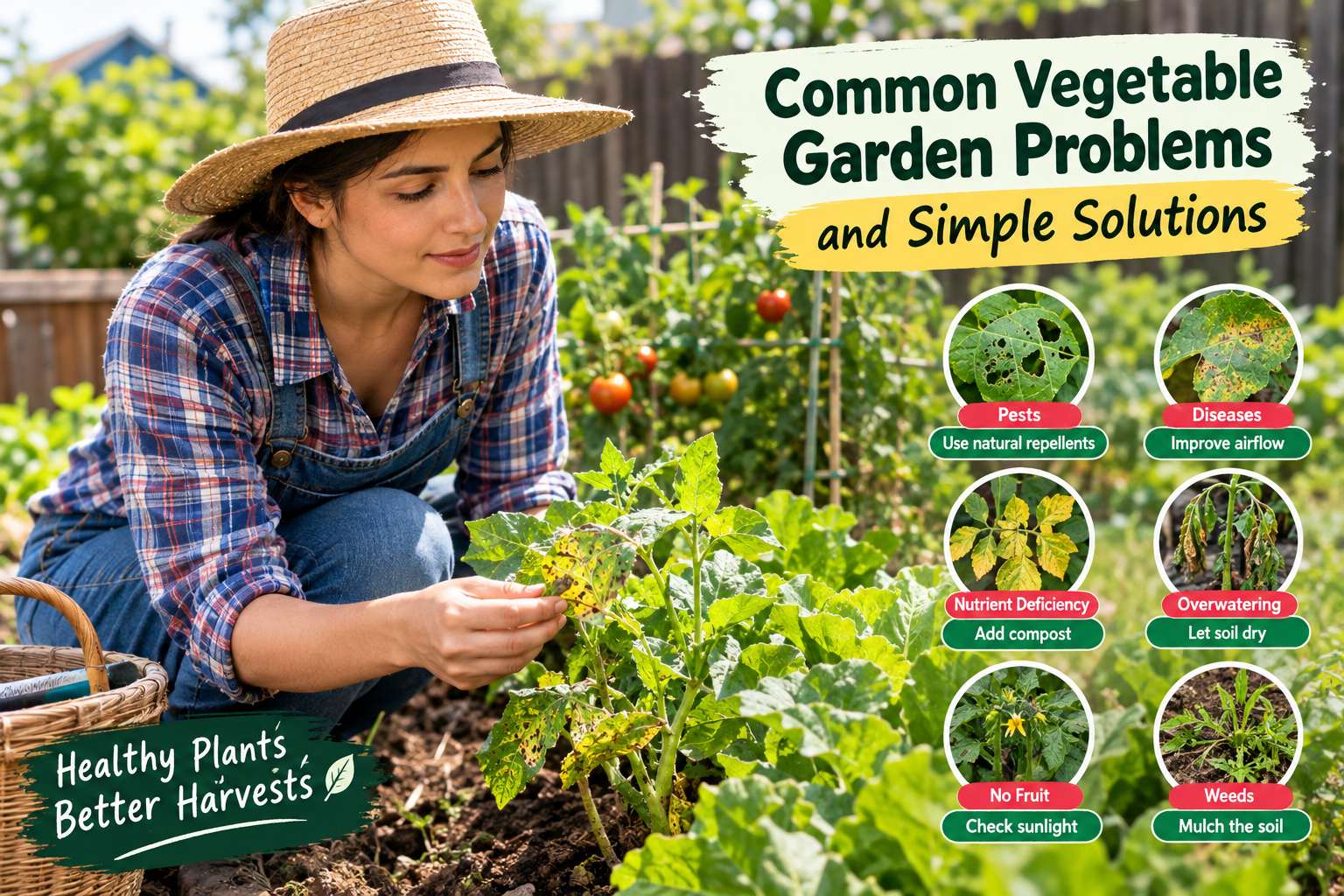
  • Common Vegetable Garden Problems and Simple Solutions

    Common Vegetable Garden Problems and Simple Solutions

    Growing vegetables at home can be a very rewarding experience, but it does not always go as planned. Sometimes plants grow slowly, leaves turn yellow, insects appear, or vegetables fail to develop properly. I have found that most vegetable garden problems are easier to solve when you notice them early and understand what your plants are trying to tell you.

    A healthy vegetable garden does not require perfection. Plants can experience problems because of weather, watering, soil conditions, pests, diseases, or a lack of sunlight. The important thing is to identify the problem and make small changes before it becomes serious.

    In this article, I will discuss some common vegetable garden problems and simple solutions that can help you grow healthier plants and enjoy a better harvest.

    1. Yellow Leaves on Vegetable Plants

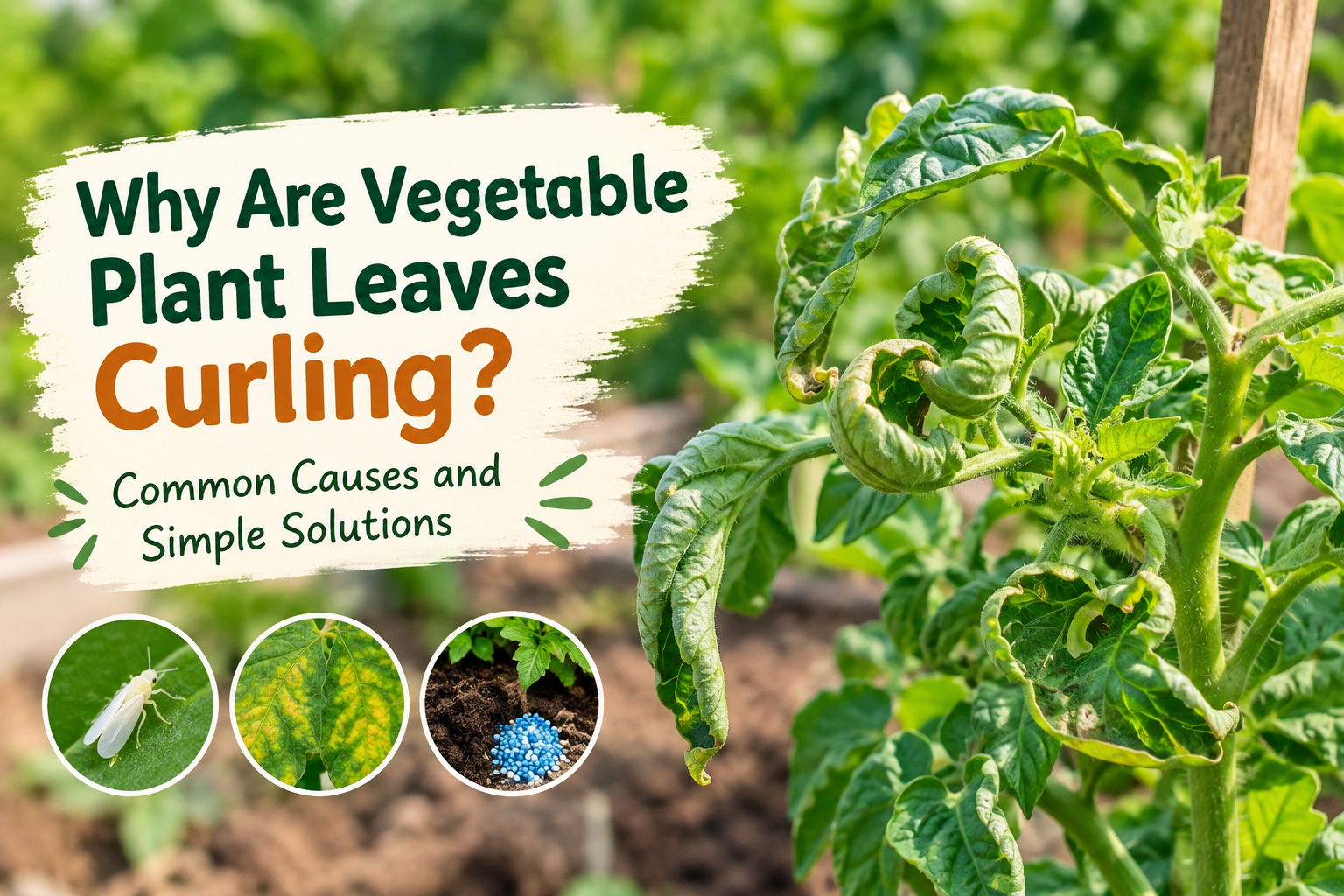
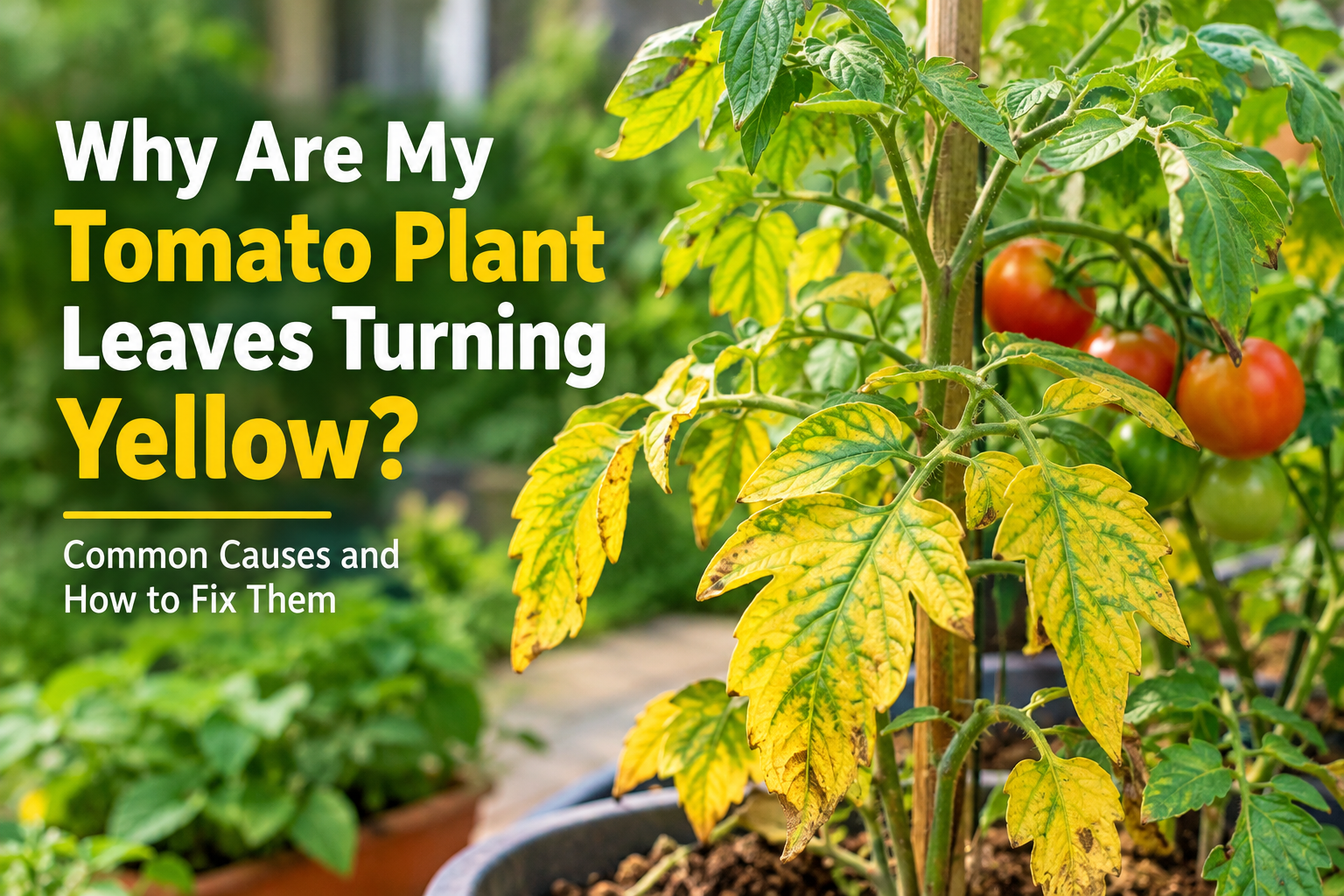
    Yellow leaves are one of the most common problems in a vegetable garden. There can be several reasons for this issue. Overwatering is one of the first things I check because constantly wet soil can prevent roots from getting enough oxygen.

    Nutrient problems can also cause yellow leaves. Plants need nutrients such as nitrogen, potassium, and other minerals to grow properly.

    The simple solution is to check the soil before adding anything. If the soil feels very wet, allow it to dry slightly before watering again. If the soil is poor, adding mature compost can improve its condition and provide useful nutrients.

    It is also important to remember that older leaves can naturally turn yellow as a plant grows. Look at the overall health of the plant instead of worrying about one or two leaves.

    2. Overwatering Vegetable Plants

    Overwatering is another common vegetable garden problem, especially for beginners. Many people believe that giving plants more water will make them grow faster. In reality, too much water can create several problems.

    Roots need both moisture and air. When soil remains saturated for too long, roots can become weak and may start to rot. Plants may look tired even though the soil is wet.

    I recommend checking the top layer of soil before watering. If it still feels moist, wait before adding more water. Containers should also have drainage holes so excess water can escape.

    Watering deeply but less frequently is often better than giving plants small amounts of water many times throughout the day.

    3. Underwatering and Wilting Plants

    The opposite problem is underwatering. A plant that does not receive enough water may develop soft, wilted leaves. The soil may also become dry and hard.

    The solution is simple. Water the plant thoroughly so moisture reaches the root area. During hot weather, check plants more frequently because moisture can disappear quickly.

    Adding organic mulch around plants can also help. Mulch protects the soil from direct sunlight and slows down moisture loss.

    However, I avoid placing thick mulch directly against plant stems because excessive moisture around the stem can create other problems.

    4. Vegetable Plants Not Producing Fruit

    Sometimes a plant looks healthy but produces very few vegetables. Tomatoes, peppers, cucumbers, and other fruiting plants can experience this problem.

    One common reason is insufficient sunlight. Most fruiting vegetables need several hours of direct sunlight each day. Too much nitrogen can also encourage leaves to grow while reducing fruit production.

    I would first check how much sunlight the plant receives. If possible, move containers to a brighter location. For plants growing in the ground, remove anything that creates unnecessary shade.

    Good watering habits are also important. Irregular watering can stress plants and affect flowering and fruit development.

    5. Insects Eating Vegetable Leaves

    Finding holes in vegetable leaves can be frustrating. Caterpillars, beetles, aphids, and other insects may feed on plants.

    The first step I take is to inspect the leaves carefully. Look underneath leaves because many insects hide there during the day.

    For a small garden, manually removing larger insects can be a simple solution. You can also encourage beneficial insects such as ladybugs and other natural predators.

    Keeping the garden clean can also help reduce pest problems. Remove badly damaged leaves and clear away plant debris where insects may hide.

    If you use any pest control product, always read and follow the label instructions carefully.

    6. Plant Diseases and Leaf Spots

    Brown spots, white patches, mold, and unusual marks on leaves can indicate a plant disease. Fungal diseases are especially common when plants remain wet for long periods and there is not enough air movement.

    One simple solution is to improve airflow. Avoid overcrowding plants and give them enough space to grow. Water the soil rather than repeatedly wetting the leaves.

    Remove badly affected plant material and place it in the appropriate waste rather than leaving it around healthy plants.

    I also believe prevention is easier than trying to rescue a severely diseased plant. Starting with healthy plants, keeping the garden clean, and avoiding excessive moisture can reduce many problems.

    7. Poor Soil Quality

    Healthy plants begin with healthy soil. If the soil is compacted, extremely dry, or lacking organic matter, vegetables may struggle to grow.

    Poor soil can lead to weak roots, slow growth, and disappointing harvests. The easiest improvement is usually adding mature compost or other suitable organic matter.

    Before planting a new vegetable bed, I like to loosen compacted soil and mix in organic material. This can improve drainage, moisture retention, and soil structure.

    Avoid adding large amounts of fertilizer without understanding what the soil actually needs. More fertilizer does not always mean healthier plants.

    8. Too Many Weeds in the Garden

    Weeds compete with vegetables for water, nutrients, sunlight, and growing space. If they are ignored, they can quickly take over a garden.

    I prefer removing small weeds when they are young because they are much easier to control. Regular inspection can prevent a small weed problem from becoming a major one.

    Mulching around vegetables is another useful method. A suitable layer of mulch can reduce the amount of sunlight reaching weed seeds and can also help the soil retain moisture.

    Be careful when removing weeds near vegetable roots. Pull them gently to avoid disturbing the plants you want to keep.
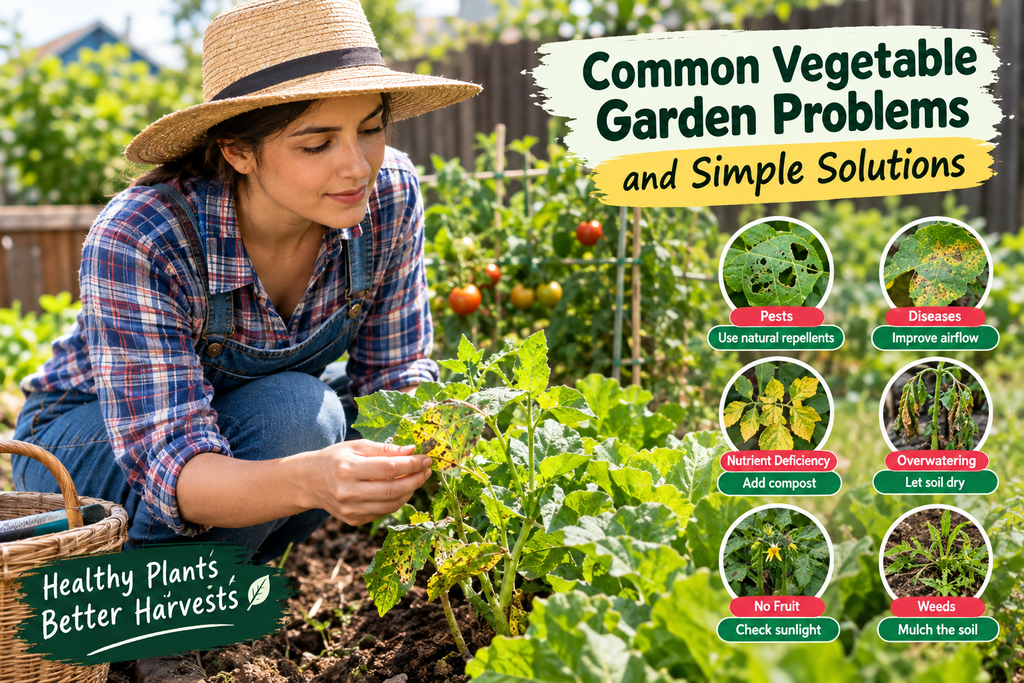
    Common Vegetable Garden Problems and Simple Solutions

    9. Plants Growing Too Slowly

    Slow growth can happen for several reasons. Cold temperatures, poor sunlight, weak soil, lack of moisture, and overcrowding can all affect vegetable growth.

    Start by checking the basics. Make sure the plant receives enough sunlight and water. Look at the soil condition and make sure nearby plants are not competing for space.

    Temperature also matters. Some vegetables grow quickly in warm conditions while others prefer cooler weather.

    Patience is important because plants do not all grow at the same speed. Instead of immediately adding fertilizer, I recommend finding the actual cause of slow growth first.

    10. Leggy Vegetable Plants

    Plants that become tall, thin, and weak are often not receiving enough sunlight. This is especially common when seedlings are grown indoors near a weak window.

    If possible, move plants to a location with better natural light. When growing seedlings indoors, provide appropriate supplemental lighting if necessary.

    Proper spacing is also important. Crowded plants can compete for light and become weak.

    11. Cracked Tomatoes and Vegetables

    Tomatoes sometimes develop cracks around the fruit. Uneven watering is one common cause. When plants receive very little water and then suddenly receive a large amount, the fruit can expand quickly and the skin may crack.

    The best approach is to keep soil moisture relatively consistent. Mulching can help reduce rapid changes in soil moisture.

    Cracked tomatoes are not always a reason to panic. If the fruit is otherwise healthy, harvest it promptly and use it before the damaged area becomes a problem.

    12. Garden Plants Falling Over

    Some vegetable plants become too heavy to support themselves. Tomatoes, peas, cucumbers, and certain other plants can benefit from support.

    Using stakes, cages, or suitable trellises can keep plants upright and improve airflow. Supporting plants can also make harvesting easier.

    I prefer adding support early rather than waiting until a plant becomes large and difficult to manage. Installing a support while the plant is still young can reduce the chance of damaging its roots later.

    13. Preventing Vegetable Garden Problems

    In my experience, prevention is one of the best gardening strategies. You do not need complicated equipment or expensive products to maintain a healthy vegetable garden.

    Start by choosing a suitable location with enough sunlight. Prepare the soil with quality organic matter and choose vegetables that are appropriate for your local growing conditions.

    Water carefully and check your plants regularly. Spend a few minutes looking at the leaves, stems, soil, and new growth. Early signs are usually much easier to manage than serious problems.

    Keeping plants properly spaced is also important. Good airflow can reduce the risk of several diseases and helps plants grow naturally.

    Final Thoughts

    Common vegetable garden problems can feel discouraging, especially when you have spent time caring for your plants. However, most problems can be managed when you identify the cause early.

    Yellow leaves may be related to watering or nutrients. Wilting can indicate a lack of moisture, while holes in leaves may point to insects. Poor fruit production can sometimes be connected to sunlight, watering, or plant health. Soil quality, weeds, overcrowding, and weather can also influence the success of your garden.

    My biggest gardening lesson is to observe before taking action. Instead of immediately adding fertilizer or using a treatment, look closely at the plant and its growing environment. Small changes in watering, sunlight, soil care, spacing, and pest management can make a noticeable difference.

    A healthy vegetable garden is built through regular attention rather than perfection. If you check your plants often and respond to problems early, you can give your vegetables a much better chance to grow strongly and produce a satisfying harvest.
  • How to Save a Dying Vegetable Plant

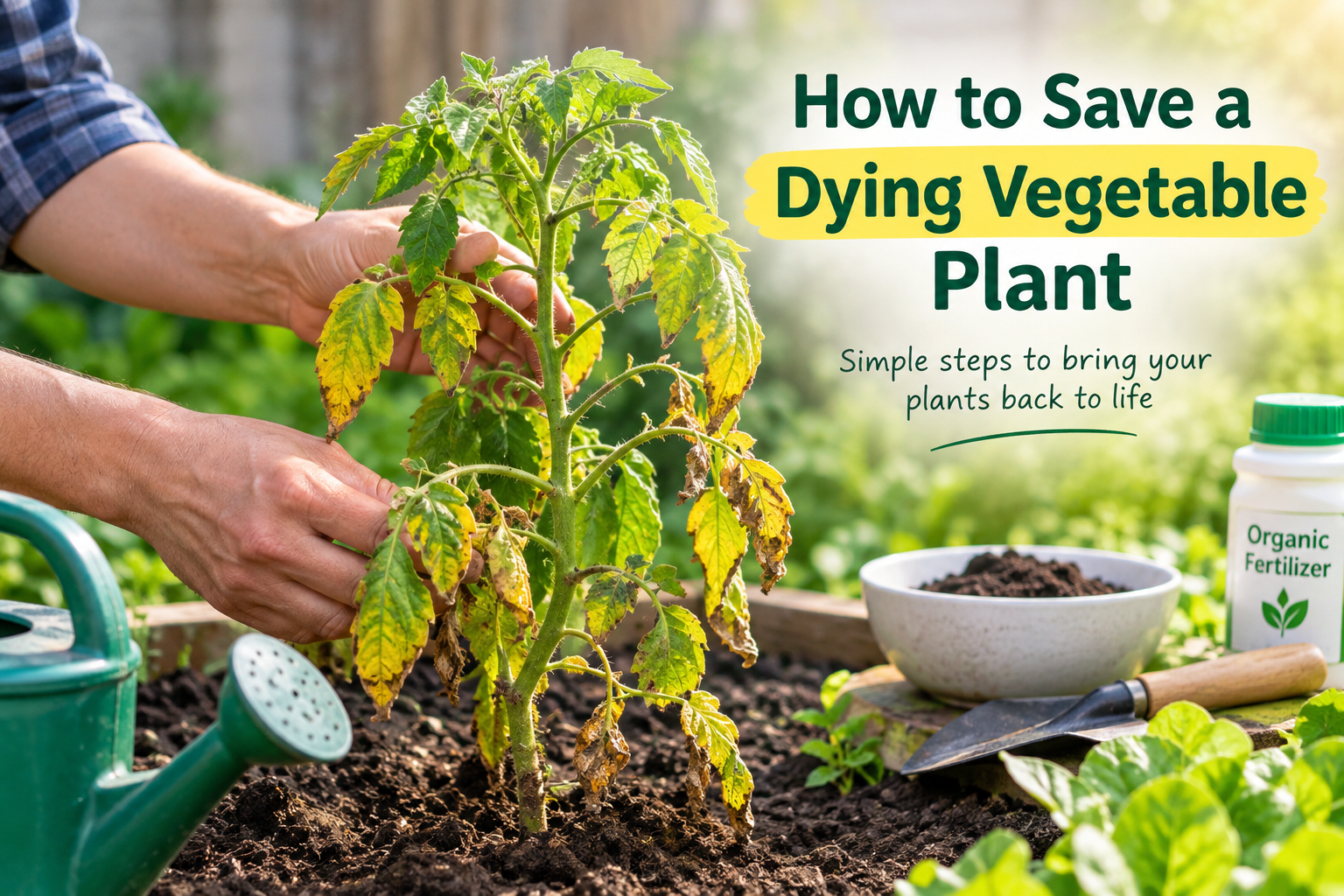
    How to Save a Dying Vegetable Plant

    Seeing a vegetable plant slowly lose its color, strength, and healthy leaves can be disappointing, especially after spending weeks caring for it. I have learned that a dying vegetable plant does not always mean the plant is finished. In many cases, the problem can be identified and corrected if you act early.

    The first thing I do when a vegetable plant looks unhealthy is avoid making quick changes without understanding the problem. Yellow leaves, wilting, dry soil, weak stems, slow growth, and brown spots can all have different causes. Too much water, too little water, poor soil, pests, diseases, extreme temperatures, and lack of sunlight can all affect plant health.

    In this guide, I will explain how to save a dying vegetable plant using simple gardening methods that can work for many common vegetables.

    Check the Plant Carefully

    Before trying to save a dying vegetable plant, I believe it is important to inspect the entire plant. Look at the leaves, stems, soil, and roots if they are easy to access.

    Check whether the leaves are yellow, brown, curled, spotted, or completely dry. Look closely for small insects under the leaves and around the stems. Also check the soil. If it feels extremely dry, the plant may not be receiving enough water. If the soil is constantly wet and smells unpleasant, overwatering may be the problem.

    The condition of the stem can also tell you a lot. A healthy stem should normally feel firm for the type of plant you are growing. A soft or damaged stem may indicate disease, root problems, or physical damage.

    Check the Soil Moisture

    One of the most common reasons vegetable plants struggle is incorrect watering. Both underwatering and overwatering can cause serious problems.

    I usually check the soil with my finger before watering. If the top layer feels dry, I check slightly deeper because the surface can sometimes dry faster than the soil around the roots.

    If the soil is completely dry and the plant is wilted, give it a slow and thorough watering. Avoid flooding the soil suddenly. Water around the root area so moisture can reach the roots properly.

    On the other hand, if the soil is already very wet, stop watering for a while. Allow excess moisture to drain naturally. A vegetable plant that is sitting in water can develop damaged roots, which makes it difficult for the plant to absorb water and nutrients.

    Make Sure the Pot Has Drainage

    If you are growing vegetables in containers, drainage is extremely important. A pot without proper drainage can trap water around the roots.

    When I grow vegetables in containers, I always make sure there are drainage holes at the bottom. These holes allow extra water to escape and help prevent the soil from staying saturated.

    If your plant is in a container without drainage, moving it into a suitable pot may make a major difference. Use a good quality growing medium that allows both water movement and air circulation.

    Remove Dead and Damaged Leaves

    Removing severely damaged leaves can help a struggling plant focus its energy on healthier growth. I do not remove every yellow leaf immediately because some yellowing can happen naturally as older leaves age.

    However, completely brown, dead, diseased, or badly damaged leaves should generally be removed. Use clean gardening scissors when cutting damaged plant material.

    Do not remove large amounts of healthy green foliage without a reason. Healthy leaves help the plant produce energy through photosynthesis. The goal is to remove unhealthy growth while protecting the healthy parts of the plant.

    Check the Roots

    Roots are often overlooked because they are hidden beneath the soil, but they are one of the most important parts of a vegetable plant.

    If a container plant is seriously declining, carefully remove it from the pot and inspect the roots. Healthy roots are generally firm and suitable in color for the plant. Roots that are extremely soft, mushy, or badly damaged may indicate root problems caused by excessive moisture or disease.

    If only some roots are damaged, carefully remove the unhealthy portions using clean tools. Repot the plant into fresh, well draining soil if necessary.

    When handling roots, I try to be gentle because healthy roots can be easily damaged during transplanting.

    Look for Garden Pests

    Small insects can cause a vegetable plant to become weak surprisingly quickly. Aphids, whiteflies, spider mites, caterpillars, and other pests can feed on leaves and stems.

    Inspect the underside of leaves because many pests hide there. Look for tiny insects, sticky residue, webbing, holes, or unusual marks.

    For a light pest problem, gently washing the plant with water may help remove some insects. You can also use an appropriate garden pest control product according to its label instructions.

    I recommend identifying the pest before using any treatment. Applying random products can sometimes harm beneficial insects or stress the plant even more.

    Give the Plant Enough Sunlight

    Vegetable plants usually need suitable sunlight to grow properly. If a plant is kept in a location that is too dark, it may become weak, thin, and slow growing.

    Check the sunlight requirements of the vegetable you are growing. Tomatoes, peppers, cucumbers, and many other fruiting vegetables generally need plenty of sunlight.

    If the plant is in a container, you may be able to move it to a better location. Make changes gradually when possible, especially if the plant has been growing in shade for a long time.

    Too much intense heat can also cause stress, so sunlight should be balanced with the needs of the specific vegetable.

    How to Save a Dying Vegetable Plant

    Improve the Soil

    Poor soil can make it difficult for a vegetable plant to recover. Plants need access to water, air, and essential nutrients through their growing medium.

    If the soil is compacted, roots may struggle to grow and absorb moisture. Gently loosening the soil around the plant can improve air movement, but avoid damaging the roots.

    Adding suitable organic matter or compost can also improve soil structure. Compost can support soil health and provide nutrients, although it should not be used excessively.

    If you suspect a serious nutrient deficiency, consider having the soil tested. This is better than adding large amounts of fertilizer without knowing what the plant actually needs.

    Be Careful With Fertilizer

    When a plant looks weak, it can be tempting to give it a lot of fertilizer. I think this is one of the mistakes gardeners should avoid.

    Too much fertilizer can damage roots and create additional stress. A dying plant may first need proper watering, better drainage, suitable light, or pest control rather than extra nutrients.

    If the plant has recovered from immediate stress and appears to need nutrients, use a suitable vegetable fertilizer according to the product instructions. Never assume that more fertilizer means faster recovery.

    Healthy soil and consistent care are usually more important than excessive feeding.

    Protect the Plant From Extreme Weather

    Temperature can have a major effect on vegetable plants. Very high temperatures can cause wilting, leaf damage, and flower loss. Very cold temperatures can slow growth or damage sensitive plants.

    During extreme heat, make sure the plant has appropriate moisture and protection from harsh conditions when necessary. Container plants can sometimes be moved to a more suitable location.

    If cold weather is expected, protect sensitive vegetables according to their growing requirements. Avoid making sudden environmental changes whenever possible.

    Give the Plant Time to Recover

    One of the most important lessons I have learned about gardening is that plants need time. After fixing the main problem, do not expect a dying vegetable plant to become healthy overnight.

    Continue providing suitable water, light, soil conditions, and protection. Watch for new growth because fresh leaves and stronger stems can be signs that the plant is recovering.

    Avoid changing several things every day. If you constantly move the plant, change watering amounts, add fertilizer, and apply different treatments, it can become difficult to understand what is actually helping.

    Consistent care is often the best approach.

    Know When the Plant Cannot Be Saved

    Sometimes a vegetable plant is simply too badly damaged to recover. Severe disease, extensive root damage, serious pest infestations, or complete loss of healthy tissue can make recovery unlikely.

    If there is no healthy growth left and the roots or stem are severely damaged, replacing the plant may be the practical choice.

    Even when a plant cannot be saved, I see it as a useful gardening lesson. Understanding what went wrong can help prevent the same problem with the next plant.

    How to Prevent Vegetable Plants From Dying

    Prevention is easier than trying to rescue a plant after serious damage has already occurred. I recommend checking vegetable plants regularly instead of waiting until they look very unhealthy.

    Water according to the plant and weather conditions rather than following a fixed schedule. Keep an eye on soil moisture, provide suitable sunlight, maintain good drainage, and inspect leaves for pests.

    Healthy soil also makes a big difference. Adding compost and organic matter when appropriate can improve the growing environment.

    Spacing plants properly is another useful habit. Crowded plants may have poor air circulation, which can increase the risk of certain diseases.

    Final Thoughts

    Learning how to save a dying vegetable plant takes patience and observation. In my experience, the most important step is finding the real cause before trying to fix the symptoms.

    Start by checking the soil, roots, leaves, sunlight, drainage, pests, and temperature. Correct the problem carefully and give the plant enough time to respond.

    A wilted or yellowing plant is not always beyond saving. With proper watering, suitable sunlight, healthy soil, good drainage, pest control, and consistent attention, many struggling vegetable plants can recover and produce new growth.

    Gardening is a learning process, and even a plant that does not survive can teach you something valuable. The more closely you observe your plants, the easier it becomes to understand what they need and keep your vegetable garden healthy.

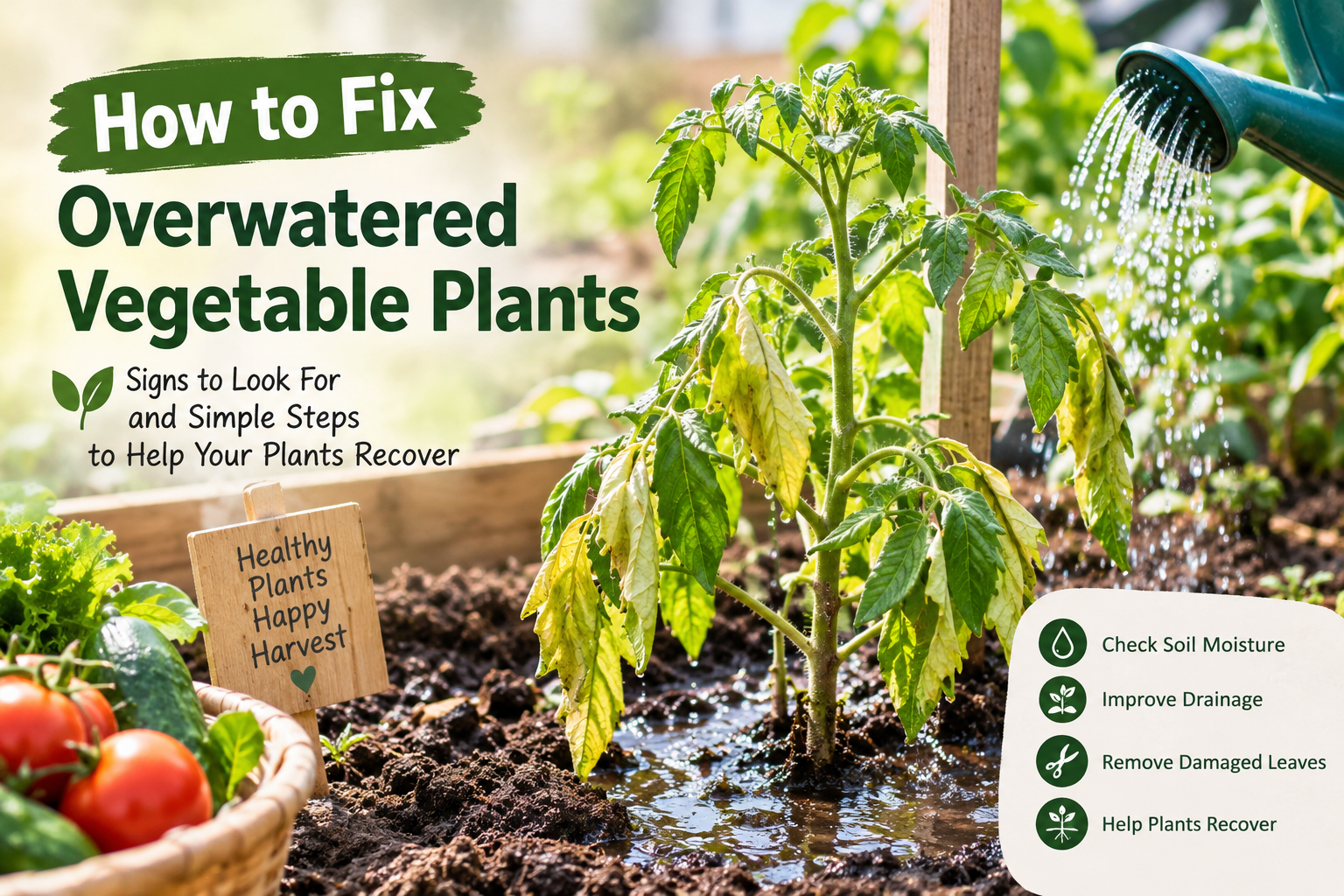
  • How to Fix Overwatered Vegetable Plants

    How to Fix Overwatered Vegetable Plants

    Growing vegetables at home can be very rewarding, but sometimes we can actually give our plants too much care. One of the most common problems I have seen in vegetable gardens is overwatering. Many gardeners think that watering more often will help plants grow faster and healthier. In reality, too much water can create serious problems for the roots and leaves.

    If your vegetable plants are looking weak, yellow, droopy, or unhealthy even though you are watering them regularly, overwatering may be the reason. The good news is that an overwatered vegetable plant can often recover if you identify the problem early and take the right steps.

    In this article, I will explain how to fix overwatered vegetable plants, how to recognize the signs of excess water, and how to prevent the problem from happening again.

    What Happens When Vegetable Plants Get Too Much Water?

    Vegetable plant roots need both water and oxygen. When soil stays wet for too long, the spaces around the roots become filled with water instead of air. This makes it difficult for the roots to get enough oxygen.

    When roots cannot breathe properly, they become weak and may eventually begin to rot. A damaged root system cannot absorb nutrients and water efficiently. This can cause the plant to look thirsty even when the soil is completely wet.

    This is one reason why overwatering can be confusing. A plant may have plenty of water around its roots but still show signs of stress.

    From my experience, the best approach is not to follow a fixed watering schedule. Instead, I prefer checking the soil and the condition of the plant before adding more water.

    Signs of an Overwatered Vegetable Plant

    The first step in fixing an overwatered vegetable plant is recognizing the symptoms. Several signs can indicate that your plant is receiving too much water.

    Yellow leaves are one of the most common symptoms. Older leaves may turn yellow first, while newer growth can become weak and pale.

    Another common sign is drooping. Many people assume that drooping leaves always mean a plant needs water. However, overwatered plants can also droop because damaged roots cannot function properly.

    You may also notice slow growth, soft stems, falling leaves, or soil that remains wet for several days.

    In more serious cases, the plant may develop brown or black roots with an unpleasant smell. This can indicate root rot.

    Mold or algae growing on the surface of constantly wet soil can also be a warning sign. While surface growth does not automatically mean the roots are damaged, it can suggest that the soil is staying excessively moist.

    Stop Watering Temporarily

    The first thing I recommend doing when you suspect overwatering is simple. Stop watering the plant for a while.

    Do not immediately add more water because the leaves look droopy. Instead, check the moisture level several inches below the surface.

    If the soil is still wet, give it time to dry naturally. The exact drying time depends on the weather, soil type, container size, and plant variety.

    During this recovery period, place container plants somewhere they can receive suitable light and good airflow. Avoid putting them in an extremely hot location just because you want the soil to dry quickly. Sudden heat stress can create another problem.

    Patience is important here. Plants need time to recover after their roots have been stressed.

    Check the Soil Moisture

    Before watering again, check the soil moisture with your finger. Push your finger into the soil several inches deep if possible.

    If the soil feels wet and sticks together easily, you probably do not need to water yet. If the upper layer feels dry but the deeper soil is still wet, wait a little longer.

    For larger containers, a moisture meter can also help. However, I believe learning to feel the soil is one of the most useful gardening skills because it does not require special equipment.

    The goal is not to keep the soil completely dry. Vegetable plants need consistent moisture. The goal is to maintain balanced moisture without keeping the roots constantly saturated.

    Improve Drainage

    Poor drainage is one of the biggest causes of overwatering. Even if you water carefully, plants can suffer if excess water has nowhere to go.

    For container vegetables, check whether the pot has drainage holes at the bottom. If the holes are blocked, water may remain trapped around the roots.

    Make sure the container is not sitting directly in a tray filled with water. Empty excess water from the tray after watering.

    For garden beds, compacted soil can also prevent proper drainage. Heavy clay soil may hold water for a long time. Adding suitable organic matter can improve soil structure over time.

    Raised beds can also help in areas where the natural soil drains poorly. Good drainage allows excess water to move away from the root zone while still allowing the soil to retain enough moisture for healthy growth.

    Remove Severely Damaged Leaves

    If some leaves have become completely yellow, brown, or damaged, you can remove them carefully.

    I prefer removing only leaves that are clearly dead or badly damaged rather than cutting away healthy green growth. Healthy leaves still help the plant produce energy through photosynthesis.

    Use clean garden scissors or pruning shears when removing damaged plant material. Avoid making unnecessary cuts because a stressed plant needs to conserve its energy.

    If the plant has only a few damaged leaves, there may be no need for heavy pruning. Give it time and allow healthy leaves to continue supporting recovery.

    Check the Roots

    If an overwatered plant is still declining after the soil has started drying, checking the roots may be helpful, especially for container plants.

    Healthy roots are generally firm and light colored, although the exact appearance varies between plant types. Rotten roots may be soft, dark, slimy, or have an unpleasant smell.

    If you find a small amount of damaged root tissue, carefully remove the obviously rotten sections with clean scissors. Be gentle with the remaining healthy roots.

    If most of the root system has already been damaged, recovery becomes more difficult. In severe cases, the plant may not survive. However, giving the remaining healthy roots proper conditions can still provide the plant with a chance.

    How to Fix Overwatered Vegetable Plants

    Give the Plant Good Airflow

    Good airflow is another important part of helping overwatered vegetable plants recover.

    When plants are surrounded by stagnant, humid air, leaves may stay wet for longer periods. This can increase the risk of certain fungal and bacterial problems.

    Avoid overcrowding vegetables in the garden. Give plants enough space according to their mature size.

    If plants are growing indoors or in a greenhouse, make sure there is reasonable ventilation.

    Good airflow does not mean exposing plants to strong damaging winds. The idea is simply to create a healthier growing environment where moisture can evaporate naturally.

    Avoid Fertilizing a Severely Stressed Plant

    One mistake I would avoid is immediately adding lots of fertilizer when an overwatered vegetable plant looks weak.

    A stressed root system may not be ready to absorb nutrients normally. Adding excessive fertilizer can create additional stress around the roots.

    I prefer allowing the plant to recover first. Once you see new healthy growth and the root zone is functioning normally, you can return to a suitable feeding routine based on the vegetable and soil conditions.

    Healthy soil and balanced watering are more important than trying to solve every plant problem with fertilizer.

    Adjust Your Watering Routine

    Once your vegetable plant begins recovering, change the way you water it.

    Instead of watering every day automatically, check the soil first. Weather conditions also matter. Plants may need more water during hot, dry weather and less during cool or rainy periods.

    Water slowly and deeply when the plant actually needs it. This encourages moisture to reach the root zone instead of simply wetting the surface.

    Container plants often require more frequent attention because containers can dry faster than garden soil. However, container size, material, plant size, temperature, and sunlight all affect how quickly the soil loses moisture.

    A simple habit of checking the soil before watering can prevent many overwatering problems.

    Be Careful With Different Vegetable Plants

    Not every vegetable has exactly the same watering requirements.

    Tomatoes, peppers, cucumbers, lettuce, carrots, beans, and other vegetables can have different moisture preferences depending on their growth stage and growing conditions.

    Seedlings usually require careful moisture management because their root systems are small. Mature plants may need deeper watering.

    The soil type also makes a big difference. Sandy soil usually drains faster, while heavy soil may remain wet longer.

    For this reason, I do not believe there is one watering schedule that works perfectly for every vegetable garden. It is better to observe your individual plants and soil.

    How to Prevent Overwatering in the Future

    Preventing overwatering is much easier than trying to save a badly damaged plant.

    First, make sure your containers have proper drainage holes. Second, use a well structured growing medium that holds moisture without becoming constantly saturated.

    Check the soil before watering and pay attention to rainfall. If your garden has received significant rain, you may not need to water at all.

    Mulching can also help maintain more stable soil moisture. However, avoid creating an excessively thick or constantly wet layer around the plant stem.

    It is also useful to group vegetables according to their general watering needs. This can make garden care easier and prevent some plants from receiving too much water simply because they are growing next to plants that require more frequent watering.

    Can an Overwatered Vegetable Plant Recover?

    Yes, many overwatered vegetable plants can recover if the problem is caught early.

    Recovery depends on how long the roots have remained saturated and whether root rot has developed. A plant with mild stress may begin looking better after the soil moisture becomes balanced.

    Do not expect an immediate transformation. Some yellow leaves may remain damaged even after the plant starts recovering. Instead, look for signs of new healthy growth.

    New leaves, stronger stems, improved color, and better overall growth are positive signs.

    If the roots are severely damaged, recovery may not be possible. In that situation, removing the unhealthy plant and improving the growing conditions before planting again may be the better choice.

    Final Thoughts

    Learning how to fix overwatered vegetable plants is mostly about understanding what your plants actually need instead of simply giving them more water.

    When I see a vegetable plant looking weak or yellow, I do not automatically reach for the watering can. I first check the soil, drainage, leaves, and overall growing conditions. This simple habit can prevent many common gardening problems.

    The most important steps are to stop watering temporarily, check soil moisture, improve drainage, remove severely damaged plant material, provide good airflow, and allow the roots time to recover.

    Remember that healthy vegetable plants need a balance of water, oxygen, nutrients, light, and good soil conditions. Too little water can cause stress, but too much water can be just as harmful.

    With careful observation and a little patience, many overwatered vegetable plants can recover and return to healthy growth. The best gardening routine is not about watering more. It is about watering wisely and paying attention to what your plants are telling you.

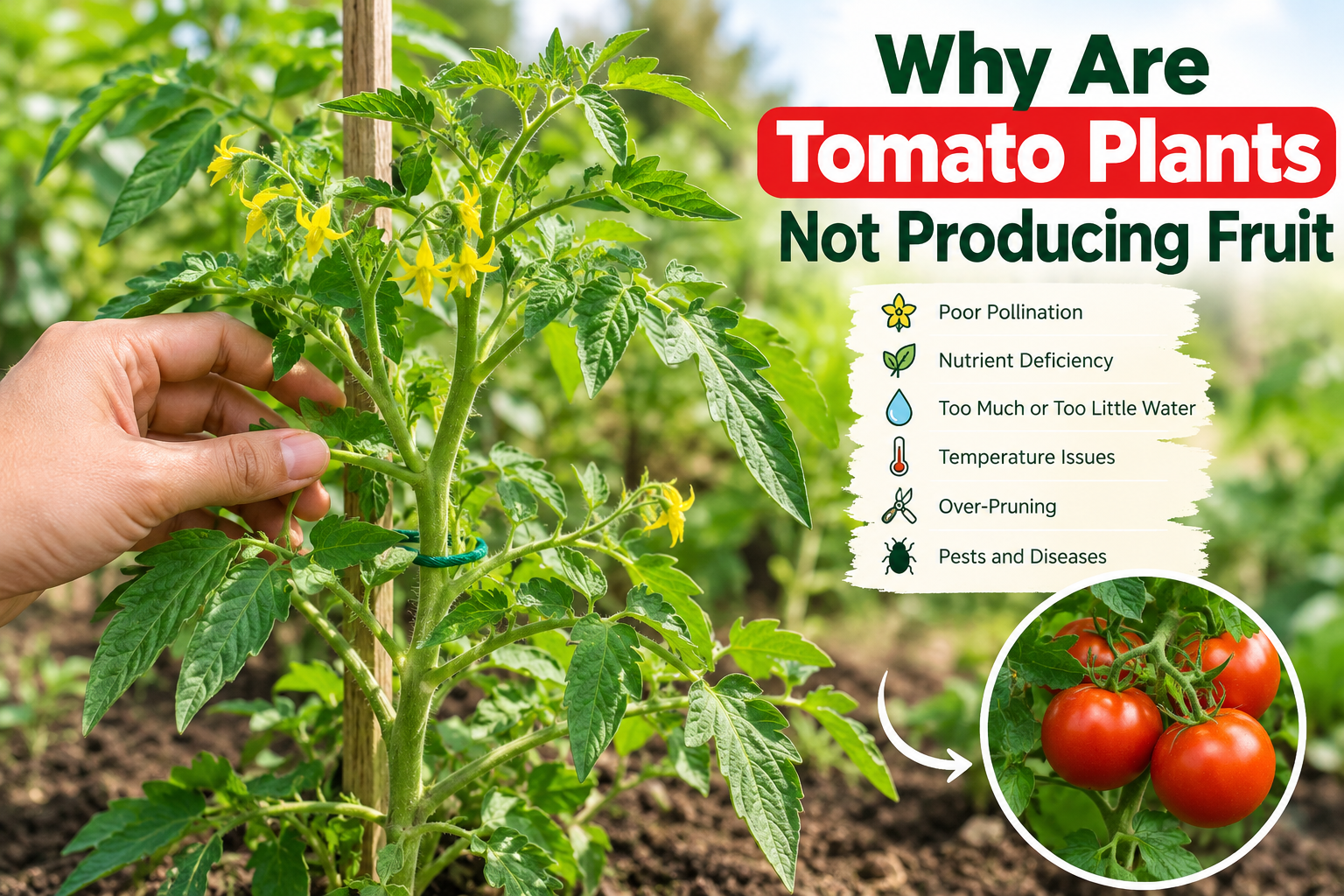
  • Why Are Tomato Plants Not Producing Fruit?

    Why Are Tomato Plants Not Producing Fruit?

    Growing tomatoes can be one of the most rewarding parts of having a vegetable garden. I personally think there is something special about watching a small tomato plant grow from a young seedling into a large green plant covered with yellow flowers. However, one of the most frustrating gardening problems is seeing plenty of flowers but no tomatoes.

    If your tomato plants are flowering but not producing fruit, there is usually a reason behind it. The good news is that most causes can be corrected with a few changes in plant care. In my experience, tomato plants need the right balance of sunlight, water, nutrients, temperature, pollination, and overall care to produce healthy fruit.

    In this article, I will explain the most common reasons tomato plants are not producing fruit and what you can do to encourage better tomato production.

    Too Much Heat Can Stop Tomato Fruit Production

    One of the most common reasons tomato plants fail to produce fruit is extreme temperature. Tomatoes grow best when the weather is comfortably warm, but very high temperatures can interfere with pollination.

    When daytime temperatures become extremely hot, tomato flowers may drop before fruit develops. The plant may continue growing and producing flowers, but those flowers may not turn into tomatoes.

    I have found that providing some afternoon protection during very hot weather can help. A little shade during the hottest part of the day may reduce stress on the plant. However, tomatoes still need plenty of sunlight, so avoid placing them in deep shade.

    If your tomato plant is healthy but suddenly stops producing fruit during a heat wave, temperature may be the main reason.

    Poor Pollination Can Cause Tomato Flowers to Drop

    Tomato plants have flowers that contain both male and female reproductive parts, so you usually do not need two tomato plants for pollination. However, the flowers still need movement to release and transfer pollen properly.

    Wind and insects can help with this process. In a quiet garden with little air movement, pollination may sometimes be poor.

    You can gently shake the tomato plant or tap the flower clusters when the flowers are open. I find that doing this lightly can help distribute pollen. You do not need to shake the plant aggressively.

    If your tomato plant has many yellow flowers but no tiny green tomatoes, checking pollination is a good place to start.

    Tomato Plants Need Enough Sunlight

    Tomatoes are sun loving plants. If a tomato plant receives too little sunlight, it may produce lots of leaves but fewer flowers and fruits.

    For strong tomato production, choose a location where the plant can receive several hours of direct sunlight each day. More sunlight generally means more energy for flowering and fruit development.

    Sometimes gardeners plant tomatoes in a location that looks bright but becomes shaded for much of the day because of walls, trees, fences, or other plants. If possible, move container grown tomatoes to a sunnier location.

    In my opinion, sunlight is one of the first things I would check when a tomato plant looks healthy but produces very little fruit.

    Too Much Nitrogen Can Produce Leaves Instead of Tomatoes

    Fertilizer is important, but using too much nitrogen can create another problem. Nitrogen encourages leafy green growth. When there is excessive nitrogen, a tomato plant may become large and bushy while producing fewer flowers and fruits.

    This is something many new gardeners experience. The plant looks extremely healthy because it has lots of green leaves, but there are very few tomatoes.

    Instead of continuously adding high nitrogen fertilizer, use a balanced fertilizer designed for vegetables or tomatoes. Always follow the instructions on the product label.

    If your tomato plant is extremely leafy with limited flowering, excessive nitrogen may be worth considering.

    Inconsistent Watering Can Affect Fruit Production

    Tomato plants need regular moisture, especially when they are flowering and developing fruit. Allowing the soil to become extremely dry and then soaking it heavily can put unnecessary stress on the plant.

    I prefer keeping the soil consistently moist without leaving it waterlogged. Water the soil around the base of the plant rather than constantly wetting the leaves.

    Container grown tomatoes may need more frequent watering because containers can dry out quickly. During hot weather, check the soil regularly.

    Consistent watering supports healthy growth and can help tomato plants handle stressful weather conditions.

    Why Are Tomato Plants Not Producing Fruit

    Overwatering Can Also Cause Problems

    While tomatoes need water, too much water can be just as problematic as too little. Constantly wet soil can reduce oxygen around the roots and may contribute to root problems.

    Overwatered tomato plants can sometimes have yellowing leaves, weak growth, or other signs of stress. If the soil remains wet for a long time after watering, improve drainage and reduce unnecessary watering.

    Before watering, I like to check the soil rather than following a strict schedule. If the upper layer of soil still feels reasonably moist, the plant may not need more water yet.

    Poor Soil Nutrition Can Reduce Flowering

    Tomato plants need several nutrients for healthy growth and fruit production. If the soil is poor, the plant may struggle to produce strong flowers and fruit.

    Adding mature compost to the soil can improve its structure and provide organic matter. A suitable vegetable fertilizer can also provide important nutrients when needed.

    However, I recommend avoiding the idea that more fertilizer always means more tomatoes. Too much fertilizer can create its own problems.

    A simple soil test can be useful if your plants repeatedly struggle despite good watering and sunlight.

    Lack of Calcium Is Not Always the Main Problem

    Gardeners often blame calcium whenever tomatoes have fruit problems. Calcium is important for tomato growth, but adding calcium without understanding the actual problem may not solve the issue.

    For example, blossom end rot is often associated with calcium availability, but inconsistent watering can make it worse because the plant has difficulty moving calcium into developing fruit.

    Instead of immediately adding supplements, focus first on consistent watering, healthy soil, and proper plant care.

    Tomato Plants Need Enough Space

    Crowded tomato plants can compete for sunlight, water, and nutrients. Poor air circulation can also increase the risk of certain plant diseases.

    When planting tomatoes, give each plant enough space based on the variety and its mature size. Avoid placing plants so close together that their leaves become one large tangled mass.

    Good spacing makes it easier for sunlight and air to reach the plant. It also makes watering, pruning, inspection, and harvesting easier.

    Pests Can Interfere With Tomato Production

    Pests can cause stress and damage to tomato plants. Aphids, whiteflies, caterpillars, and other insects may attack leaves, stems, or flowers.

    I recommend checking tomato plants regularly. Look underneath leaves and around new growth because some pests can be difficult to notice at first.

    If you find a small pest problem, removing affected insects by hand or using a suitable garden treatment according to the label may help. Keeping plants healthy is also important because stressed plants can become more vulnerable to problems.

    Disease May Be Affecting the Plant

    Tomato diseases can affect leaves, stems, flowers, and fruit production. If the plant has unusual spots, widespread yellowing, wilting, or damaged leaves, inspect it carefully.

    Good air circulation, proper watering, clean gardening tools, and removing seriously affected plant material can help reduce some disease problems.

    Do not automatically assume every yellow leaf means disease. Older leaves naturally change as tomato plants grow. Look at the overall condition of the plant before deciding what is wrong.

    Avoid Excessive Pruning

    Pruning can be useful for some tomato varieties, but excessive pruning can remove too many leaves. Tomato leaves are important because they capture sunlight and help the plant produce energy.

    If too many leaves are removed, the plant may have less ability to support fruit development. I prefer removing damaged or diseased growth and managing unnecessary growth carefully rather than aggressively cutting the plant.

    The correct pruning method also depends on whether you are growing a determinate or indeterminate tomato variety.

    Give the Plant Time

    Sometimes tomato plants simply need more time. Young plants may grow for several weeks before they begin producing significant fruit.

    Weather conditions, variety, planting time, and growing conditions can all affect how quickly tomatoes develop.

    If the plant looks healthy, has good green growth, receives enough sunlight, and is beginning to flower, patience may be all that is needed.

    What I Would Check First

    If my tomato plant was flowering but not producing tomatoes, I would inspect a few basic things before making major changes.

    First, I would check the amount of sunlight the plant receives. Next, I would look at the temperature and recent weather conditions. After that, I would check whether the soil is too dry or too wet.

    I would also inspect the flowers for signs of successful pollination and look closely for insects or disease. Finally, I would consider whether I have been using too much fertilizer, especially a fertilizer high in nitrogen.

    This simple process can help identify the problem without making unnecessary changes.

    Final Thoughts

    When tomato plants are not producing fruit, it can be disappointing, especially when the plants look healthy and have plenty of flowers. However, there is usually a reason for the lack of tomatoes.

    Temperature problems, poor pollination, insufficient sunlight, inconsistent watering, excessive nitrogen, poor soil, pests, diseases, and excessive pruning can all affect fruit production.

    In my experience, the best approach is to observe the plant carefully instead of changing everything at once. Look at the leaves, flowers, soil, sunlight, weather, and watering routine. Once you understand what the plant is telling you, it becomes much easier to make the right adjustment.

    With proper care and a little patience, a tomato plant that is not producing fruit can often return to healthy growth and begin developing those small green tomatoes that every gardener wants to see.

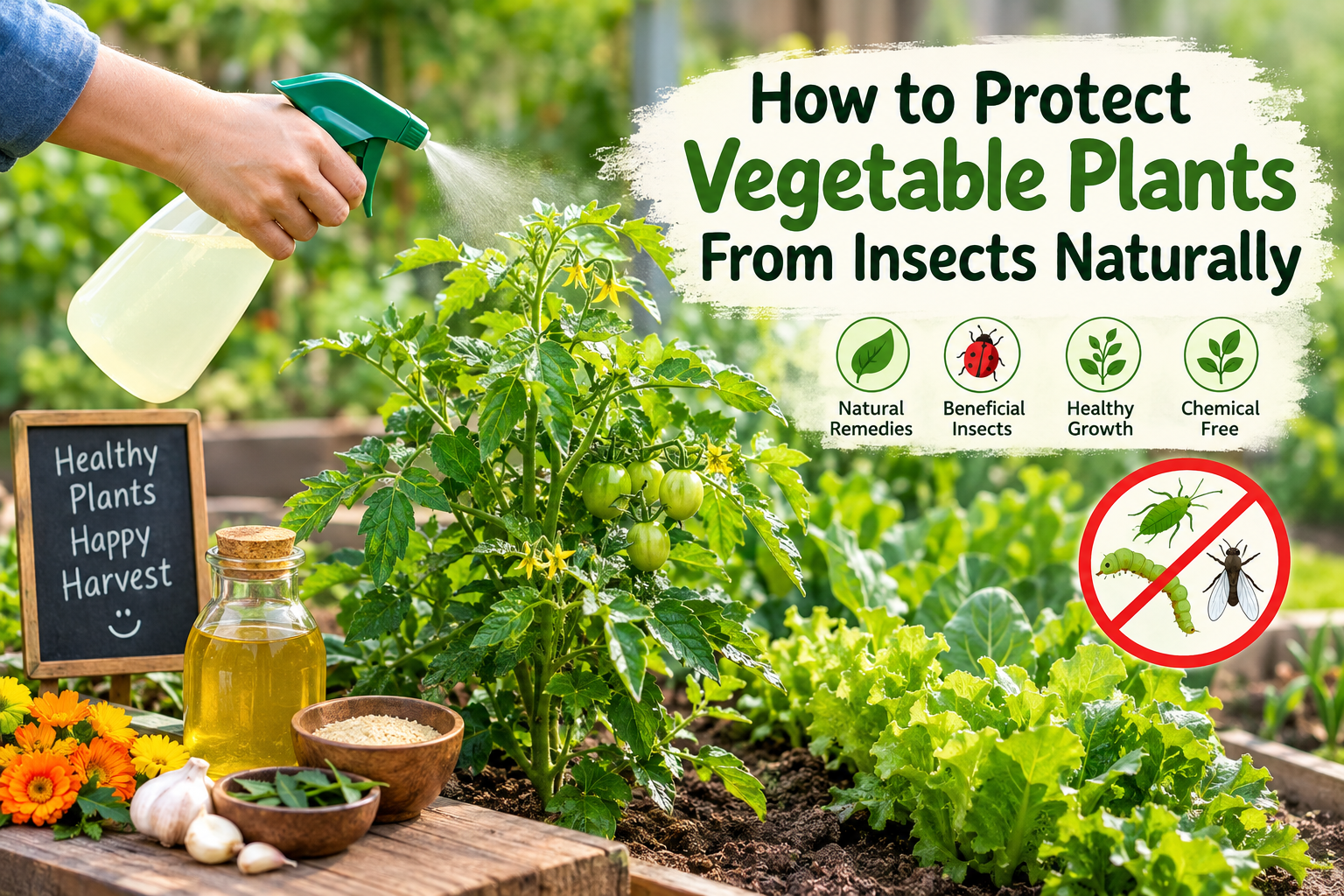
  • How to Protect Vegetable Plants From Insects Naturally

    How to Protect Vegetable Plants From Insects Naturally

    Growing vegetables at home can be a rewarding experience, but insects can quickly become a problem. One morning, your plants may look healthy and fresh, and a few days later, you may notice holes in the leaves, curled growth, sticky spots, or small insects hiding underneath the foliage. I have found that dealing with insects early is much easier than waiting until the plants are seriously damaged.

    The good news is that you do not always need strong chemical pesticides to protect a vegetable garden. There are several natural pest control methods that can help reduce insect problems while keeping your garden healthier. In my experience, the best approach is to combine healthy gardening habits with simple natural solutions.

    Inspect Your Vegetable Plants Regularly

    The first step in natural insect control is regular inspection. I recommend checking vegetable plants at least a few times each week, especially during warm weather when insect activity can increase.

    Look carefully at both sides of the leaves, new shoots, stems, and around the base of the plant. Aphids, caterpillars, whiteflies, spider mites, and other pests can be very small and easy to miss.

    If you find only a few insects, remove them by hand instead of immediately treating the entire plant. For larger insects such as caterpillars, you can pick them off and move them away from the garden.

    Regular inspection gives you a chance to deal with a small problem before it becomes a serious infestation.

    Keep Plants Healthy

    Healthy vegetable plants are generally better able to handle minor insect damage. Good soil, proper watering, enough sunlight, and suitable nutrition all contribute to strong plant growth.

    I try not to overwater my vegetable plants because constantly wet soil can create other problems. At the same time, plants should not be left extremely dry for long periods.

    Adding compost to the soil can improve its structure and provide organic matter. A healthy growing environment also supports beneficial organisms that contribute to a balanced garden.

    Instead of focusing only on killing insects, I believe it is better to create conditions where plants can grow strongly and recover from small amounts of damage.

    Use Water to Remove Small Insects

    A simple stream of water can be surprisingly useful against some soft bodied insects. Aphids and other small pests often gather underneath leaves and around young stems.

    Using a gentle spray of water can knock these insects from the plant. Make sure the water pressure is not strong enough to damage delicate leaves or stems.

    This method may need to be repeated because some insects can return. However, it is inexpensive, simple, and does not leave chemical residues on your vegetables.

    For plants that are especially delicate, test the water pressure on a small area first.

    Try a Simple Soap Spray

    Mild soap sprays are another commonly used natural pest control option. They can help manage certain soft bodied insects by affecting their outer surfaces.

    When using soap, choose a product that is suitable for plants rather than using a strong household cleaning product. Mix it according to the product instructions and test the solution on a small part of the plant before treating the entire plant.

    I think this testing step is important because different vegetables can react differently to sprays. Applying treatments during the cooler part of the day can also help reduce the chance of leaf damage.

    Avoid spraying flowers heavily because you do not want to disturb useful pollinating insects.

    Use Neem Oil Carefully

    Neem oil is another popular option among gardeners who prefer natural pest management. It is commonly used against several garden pests and can be applied to plant foliage when used correctly.

    Always follow the directions on the product label. Do not assume that using more neem oil will produce better results. Too much can damage plants.

    I recommend testing a small section of the plant first and observing it before treating the entire vegetable plant. Avoid spraying during very hot conditions or when plants are under serious heat stress.

    Natural products still need to be used responsibly. Natural does not automatically mean harmless to every insect or plant.

    Make Garlic Based Garden Sprays

    Garlic has a strong smell that many gardeners use as part of natural insect control. A homemade garlic spray can be prepared by crushing garlic and allowing it to soak in water before straining the mixture.

    The resulting liquid can be sprayed lightly on plant leaves. I would always test homemade sprays on a small section first because concentrated mixtures may irritate or damage sensitive plants.

    Garlic spray should be viewed as one part of an overall pest management plan rather than a guaranteed solution. Its effectiveness can vary depending on the type of insect and the condition of the garden.

    How to Protect Vegetable Plants From Insects Naturally

    Encourage Beneficial Insects

    Not every insect in the garden is harmful. Some insects actually help protect vegetable plants by feeding on pests or supporting pollination.

    Ladybugs, lacewings, praying mantises, and some other beneficial insects can play an important role in a healthy garden. Instead of trying to remove every insect, learn to identify which ones are helpful and which ones are causing damage.

    Planting flowers near vegetables can also make your garden more attractive to beneficial insects and pollinators. Marigolds, alyssum, and other flowering plants can add beauty while supporting garden biodiversity.

    In my view, attracting helpful insects is one of the most sustainable ways to approach natural pest control.

    Use Garden Covers

    Physical barriers can be very effective because they prevent insects from reaching the plants in the first place. Lightweight garden fabric or insect netting can protect vegetables from many flying pests.

    This can be especially useful for young plants. Make sure the covering is installed properly so insects cannot easily enter from the sides.

    Garden covers should still allow enough light and air to reach the plants. You should also check the plants regularly because pests may sometimes become trapped underneath the cover.

    Keep the Garden Clean

    Garden cleanliness can make a noticeable difference in insect control. Remove badly damaged leaves, fallen vegetables, and plant material that may provide shelter for pests.

    Do not allow weeds to take over the vegetable bed because weeds can compete with vegetables and may provide hiding places for insects.

    At the end of the growing season, remove unhealthy plant material and prepare the garden for the next crop. A clean growing area can reduce places where some pests may survive.

    Use Mulch Properly

    Organic mulch can help maintain soil moisture, reduce weeds, and improve the overall condition of the garden. Materials such as straw, dry leaves, and other suitable organic matter can be useful around vegetable plants.

    However, avoid placing thick, wet mulch directly against plant stems. Excess moisture around stems can create other problems.

    A properly maintained layer of mulch can support healthier soil while making the garden less attractive to some unwanted pests.

    Rotate Your Vegetable Crops

    Growing the same vegetable in exactly the same location every year can make it easier for certain pests and diseases to remain established.

    Crop rotation means changing where you grow different types of vegetables from season to season. For example, you can avoid planting the same plant family in the same area repeatedly.

    This method requires some planning, but it can help reduce recurring pest problems over time. I consider crop rotation especially useful for gardeners who notice the same insect or plant disease every growing season.

    Remove Seriously Damaged Leaves

    If a few leaves are heavily covered with insects or badly damaged, removing them can sometimes help slow the problem.

    Use clean garden scissors and avoid removing too much healthy foliage. Leaves are important because they help plants produce energy through photosynthesis.

    After removing infected or heavily infested material, place it away from the vegetable garden rather than leaving it beside healthy plants.

    Avoid Overusing Natural Sprays

    One mistake I often see in natural gardening is the idea that more treatment always means better protection. That is not necessarily true.

    Even natural sprays can harm beneficial insects, damage sensitive plants, or disturb the natural balance of a garden when they are used too frequently.

    Before applying anything, identify the pest if possible. Then decide whether the level of damage actually requires treatment.

    Sometimes a few insects on a healthy plant are not a serious problem. The goal should be to keep pest numbers under control rather than eliminate every insect from the garden.

    Give Plants Enough Space

    Crowded vegetable plants can have poor air circulation, making it easier for certain pests and plant problems to develop.

    Follow the recommended spacing for the vegetables you are growing. Good spacing allows sunlight and air to reach the leaves and also makes it easier for you to inspect the plants.

    When plants are easier to inspect, you can discover insect problems earlier.

    Final Thoughts

    Learning how to protect vegetable plants from insects naturally does not require complicated equipment or expensive products. In my experience, the most effective approach starts with healthy plants, regular inspection, good garden hygiene, and simple physical barriers.

    Natural options such as water sprays, mild plant safe soap solutions, neem oil, garlic based sprays, garden covers, and beneficial insects can all have a place in an integrated garden care routine. The key is to use each method carefully and understand that different insects require different approaches.

    I also believe that a healthy garden does not need to be completely free of insects. Some insects are useful, and a small amount of insect activity does not always mean your vegetables are in danger.

    By paying attention to your plants, identifying problems early, encouraging beneficial insects, and using natural methods responsibly, you can create a healthier vegetable garden and enjoy a better harvest without relying heavily on harsh chemical pesticides. The more time you spend observing your garden, the easier it becomes to understand what your plants need and how to protect them naturally.

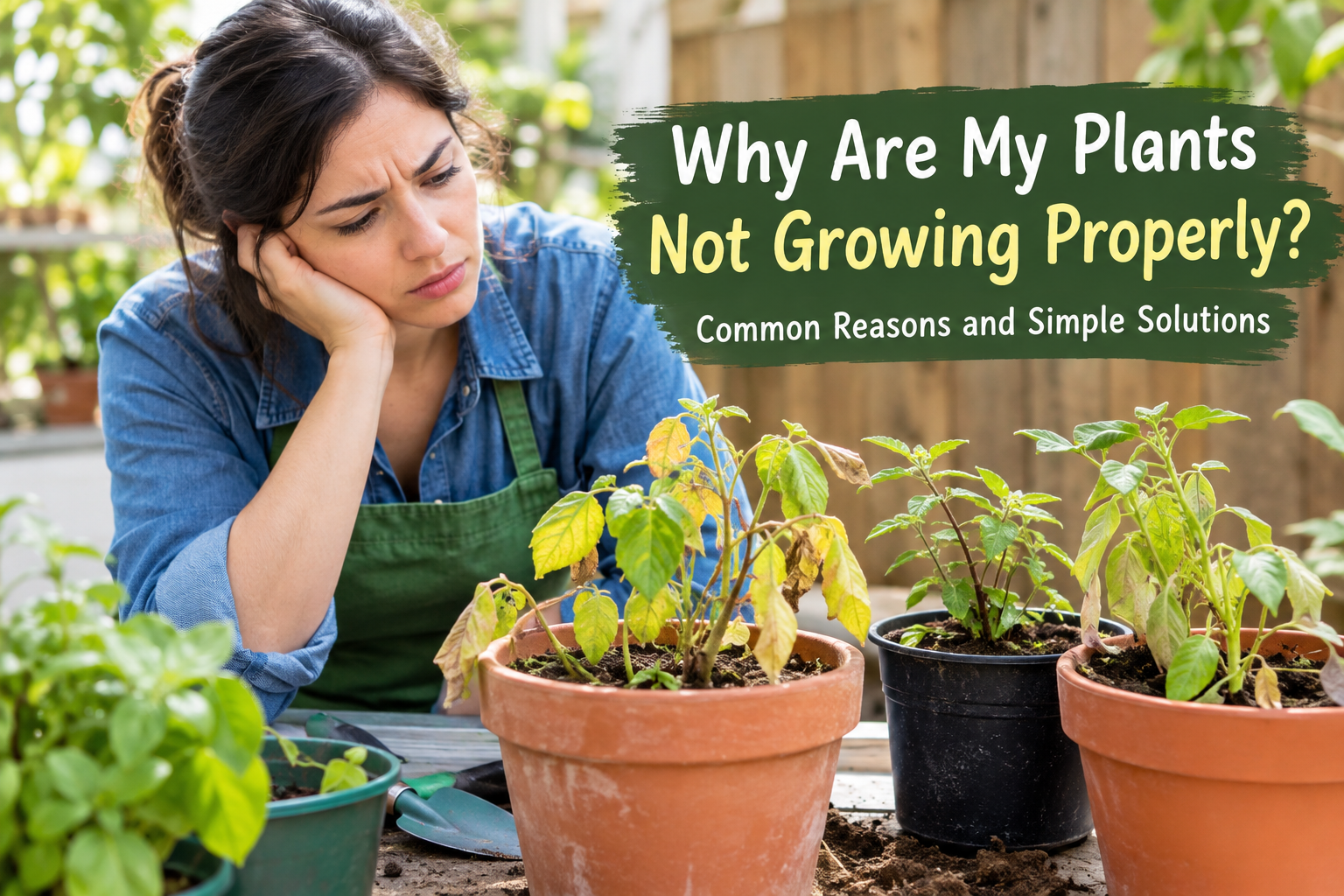
  • Why Are My Plants Not Growing Properly?

    Why Are My Plants Not Growing Properly?

    Growing plants at home can be a very rewarding experience, but sometimes plants simply stop growing the way we expect. You may water them regularly, place them near a window, and still notice that the leaves are small, new growth is slow, or the plant looks exactly the same for weeks. I have noticed that when plants are not growing properly, there is usually a simple reason behind it. Plants need the right combination of sunlight, water, nutrients, temperature, soil, and space to grow well.

    If your plants are not growing properly, do not immediately assume that the plant is unhealthy or dying. In many cases, the plant is simply missing one important thing. Understanding the common causes can help you correct the problem and encourage healthy new growth.

    Not Enough Sunlight

    One of the most common reasons plants stop growing is insufficient sunlight. Plants need light to produce energy through photosynthesis. Without enough light, a plant may survive, but its growth can become very slow.

    I always pay attention to where I place my plants. A room may look bright to us, but the amount of light available to a plant can be much lower than it appears. Plants kept in dark corners often produce smaller leaves and fewer new shoots.

    Some plants need several hours of direct sunlight, while others prefer bright indirect light. Before moving your plant, check what type of light it naturally prefers.

    If your plant is stretching toward a window, has long spaces between leaves, or produces pale new growth, lack of light could be the problem. Moving it gradually toward a brighter location may help.

    Why Are My Plants Not Growing Properly

    Incorrect Watering

    Watering seems simple, but it is one of the easiest parts of plant care to get wrong. Both too much water and too little water can cause poor plant growth.

    When I water plants, I try not to follow a strict schedule. Instead, I check the soil first. The top layer of soil should give me an idea of whether the plant actually needs water.

    Overwatering can leave the soil constantly wet. This reduces the oxygen available around the roots and can eventually lead to root problems. A plant with damaged roots cannot absorb water and nutrients properly.

    Underwatering creates a different problem. When the soil becomes extremely dry, roots may struggle to absorb enough moisture. Leaves can become weak, dry, or wilted, and growth can slow considerably.

    The best approach is to understand the watering needs of each plant rather than giving every plant the same amount of water.

    Poor Soil Quality

    Healthy roots need healthy soil. If the soil is compacted, extremely heavy, or lacking organic matter, plants may struggle to develop strong roots.

    I have found that loose and well draining soil is especially important for container plants. Good soil allows water to move through it while still holding enough moisture for the roots.

    Old potting soil can also become less useful over time. It may lose structure and become compacted. Adding suitable organic material or replacing poor quality soil can improve the growing environment.

    However, avoid changing soil unnecessarily. If a plant is growing well, there may be no reason to disturb its roots.

    Lack of Nutrients

    Plants require nutrients for healthy leaves, roots, flowers, and new growth. If the soil does not contain enough nutrients, growth may become slow.

    Important nutrients include nitrogen, phosphorus, and potassium, along with several micronutrients. Each plant has different nutritional requirements.

    Nitrogen is particularly important for healthy leafy growth. A deficiency can sometimes cause older leaves to become pale while the plant produces very little new growth.

    I prefer using fertilizer carefully rather than assuming that more fertilizer will make a plant grow faster. Too much fertilizer can damage roots and create additional problems.

    A balanced fertilizer used according to the instructions can help when nutrient deficiency is actually responsible for poor growth.

    The Pot May Be Too Small

    Sometimes a plant stops growing because its roots have filled most of the available space. When roots become crowded, the plant may have difficulty accessing enough water and nutrients.

    If you notice roots coming out of drainage holes, soil drying unusually quickly, or a plant becoming root bound, it may be time to consider a larger pot.

    When repotting, I avoid choosing a container that is dramatically larger than the existing one. A slightly larger pot is usually easier to manage because excessive soil can retain too much moisture.

    Make sure the new container has proper drainage holes so excess water can escape.

    Temperature Problems

    Temperature can also affect plant growth. Most common houseplants grow best when temperatures remain relatively stable.

    Very cold conditions can slow plant processes, while excessive heat can cause stress and increase water loss. Sudden changes in temperature can also affect sensitive plants.

    I try to keep indoor plants away from strong drafts, air conditioning vents, heaters, and other locations where temperatures change quickly.

    If a plant has suddenly stopped growing after a major change in weather or room temperature, environmental stress may be responsible.

    Low Humidity

    Some plants naturally grow in humid environments and may struggle when indoor air is extremely dry. Low humidity can cause brown leaf edges, curling leaves, and slow growth.

    This is especially common during dry weather or in rooms where heating or cooling systems are running frequently.

    You can improve humidity by grouping plants together or using a suitable humidifier. However, increasing humidity is not always necessary for every plant.

    I think it is better to understand the natural requirements of the plant before making major environmental changes.

    Poor Drainage

    A pot without proper drainage can create serious problems for plant roots. Water may remain trapped around the roots for too long, especially when the soil is heavy.

    Good drainage allows excess water to escape. This helps maintain a healthier balance between moisture and oxygen around the roots.

    Whenever I buy or use a container, I check for drainage holes. A decorative container without drainage can still be used as an outer cover, but the plant itself should ideally remain in a suitable container that allows water to drain.

    Pests Can Slow Plant Growth

    Small pests can also cause plants to stop growing properly. Aphids, spider mites, mealybugs, and other insects may feed on leaves or new growth.

    Sometimes the signs are easy to notice. You may see tiny insects, sticky residue, damaged leaves, webbing, or distorted new growth.

    I recommend checking the leaves regularly, especially the undersides where pests can hide.

    If you discover a small pest problem early, it is generally easier to manage. Remove heavily damaged leaves when appropriate and use a plant safe

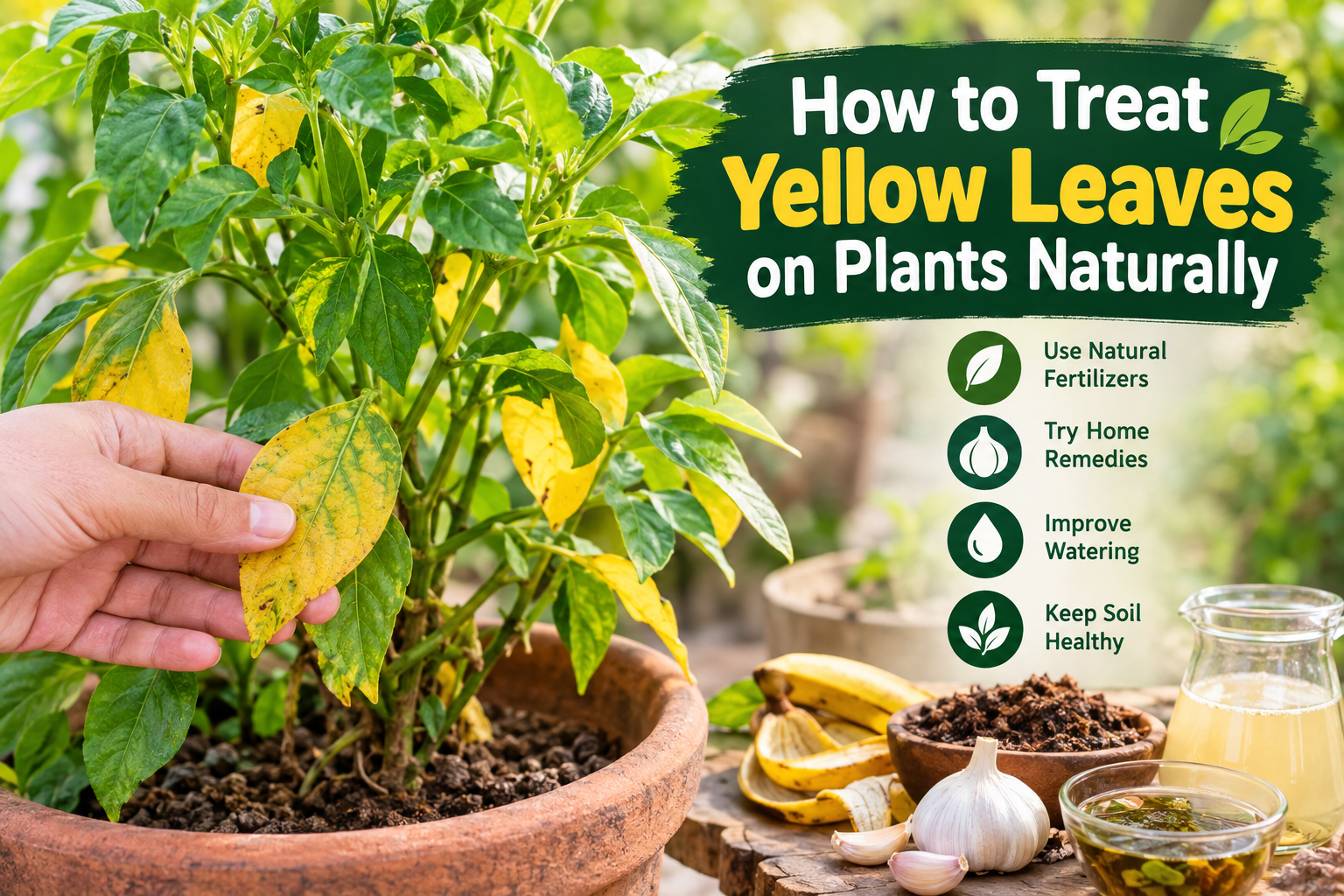
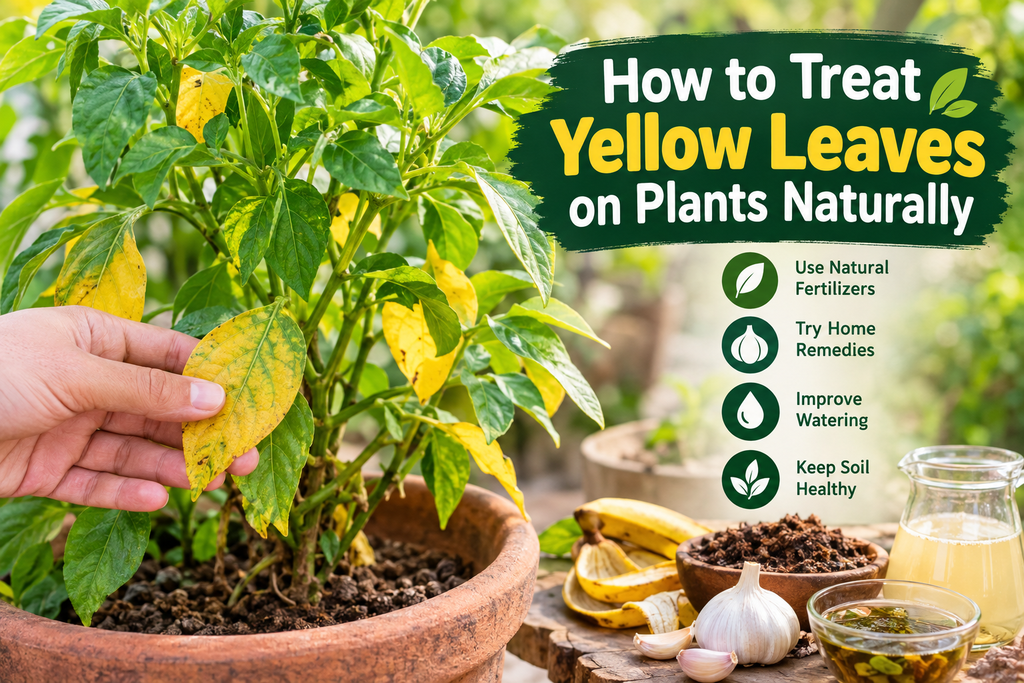
  • How to Treat Yellow Leaves on Plants Naturally

    How to Treat Yellow Leaves on Plants Naturally

    Yellow leaves are one of the most common problems I notice when caring for plants. Even when a plant looks healthy overall, a few yellow leaves can make you wonder what went wrong. In my experience, yellow leaves are usually a sign that the plant is under some kind of stress. The good thing is that many common causes can be corrected naturally without using harsh chemicals.

    If you are wondering how to treat yellow leaves on plants naturally, the first step is to understand why the leaves are turning yellow. Problems such as overwatering, poor drainage, lack of sunlight, nutrient deficiencies, pests, and natural aging can all cause yellow leaves. Once you identify the cause, treating the plant becomes much easier.

    Check How Often You Water the Plant

    One of the first things I check when I see yellow leaves is the soil. Overwatering is a very common reason plants develop yellow leaves. When plant roots remain in wet soil for too long, they may not receive enough oxygen. This can weaken the roots and eventually cause the leaves to turn yellow.

    Instead of watering according to a strict schedule, I prefer checking the soil first. Put your finger about an inch into the soil. If it still feels moist, wait before watering again. If the soil feels dry, the plant may need water.

    The right watering routine depends on the plant, pot size, weather, and growing conditions. Indoor plants often need less water than outdoor plants, especially during cooler periods.

    Improve Drainage Naturally

    Sometimes the problem is not simply how much water you give the plant. Poor drainage can also keep the roots wet for too long.

    I always make sure my plant containers have drainage holes at the bottom. These holes allow extra water to escape instead of collecting around the roots.

    If the soil is heavy and compacted, gently loosening the top layer can improve airflow. You can also repot the plant using good quality potting soil that drains well.

    Avoid placing a small plant in a very large container just because you want it to grow faster. A large amount of unused wet soil can stay damp for a long time and increase the risk of root problems.

    Give the Plant Enough Natural Light

    Light is another important factor when treating yellow leaves naturally. Plants need the right amount of light to produce energy and maintain healthy green foliage.

    If a plant is kept in a dark corner, its leaves may gradually become pale or yellow. I usually move plants closer to a suitable window when they are not receiving enough natural light.

    However, more light is not always better. Some plants prefer bright indirect light, while others can tolerate several hours of direct sunlight. Sudden exposure to strong sunlight can also damage sensitive leaves.

    Try to learn the light requirements of the specific plant you are growing. A good balance of natural light can make a noticeable difference in plant health.

    Check the Soil for Nutrient Problems

    Plants need nutrients to produce healthy leaves. If the soil has been used for a long time without replenishment, certain nutrients may become limited.

    A lack of nitrogen can cause older leaves to become pale or yellow. Other nutrient problems can also affect leaf color and growth.

    One natural option I like is adding mature compost to the soil. Compost can improve soil structure while providing a gentle source of nutrients. A small amount mixed into the soil can be useful for many garden plants.

    You should avoid adding too much fertilizer or compost at once. More nutrients do not automatically mean healthier plants. Excess fertilizer can damage roots and create additional problems.

    Use Homemade Compost Carefully

    Compost is one of my favorite natural ways to support plant health. Well finished compost contains organic matter that can improve the condition of the soil.

    You can make compost from suitable kitchen and garden materials such as vegetable scraps, dry leaves, grass clippings, and other compostable organic material.

    The important thing is to use finished compost rather than fresh kitchen waste directly around plant roots. Properly decomposed compost has a dark, crumbly texture and an earthy smell.

    For potted plants, I prefer using a small amount because containers have limited space. For garden beds, compost can be mixed into the soil before planting or added around established plants.

    Remove Severely Yellow Leaves

    If a leaf is completely yellow and damaged, removing it can help keep the plant looking healthier. I usually use clean scissors or pruning shears when removing damaged leaves.

    Do not remove every slightly yellow leaf immediately. First try to determine the reason behind the color change. A few older yellow leaves can be completely normal, especially when the plant is producing new growth.

    When pruning, avoid damaging healthy stems and leaves. Clean tools also reduce the chance of spreading problems between plants.

    Look for Pests

    Small insects can sometimes cause yellow leaves. Aphids, spider mites, whiteflies, and other pests may feed on plant tissue and weaken the plant.

    I recommend checking both sides of the leaves because many pests hide underneath them. Look for tiny insects, sticky residue, webbing, spots, or distorted new growth.

    For a mild pest problem, gently washing the leaves with water can help remove some insects. A strong stream of water should be avoided on delicate plants because it may damage the leaves.

    Neem based products are another natural option used by many gardeners, but they should always be used according to the product instructions and tested carefully on sensitive plants.

    Avoid Sudden Environmental Changes

    Plants can react badly to sudden changes. Moving an indoor plant from a protected room directly into strong outdoor sunlight can cause stress. Similarly, placing a plant near a cold window, heater, or air conditioner can affect its health.

    I prefer making changes gradually. If a plant needs more sunlight, I move it closer to the brighter location over time.

    Temperature and humidity can also influence plant health. Keeping plants in conditions suitable for their particular needs can prevent unnecessary stress.

    Check the Roots if the Problem Continues

    If yellow leaves continue despite proper watering and lighting, I would check the roots. This is especially important when the soil stays wet for a long time.

    Healthy roots are usually firm and have a normal appearance for the plant. Roots that are soft, mushy, or have an unpleasant smell may indicate a serious moisture problem.

    If the roots are damaged, carefully remove the plant from its container and inspect the root system. Remove badly damaged roots with clean scissors and place the plant into fresh, well draining soil if necessary.

    This process should be done carefully because stressed plants need gentle handling.

    How to Treat Yellow Leaves on Plants Naturally

    Use Natural Mulch in Outdoor Gardens

    For plants growing outdoors, natural mulch can help maintain more stable soil moisture. Materials such as dry leaves, straw, or suitable organic mulch can protect the soil surface from drying too quickly.

    I like leaving some space around the main stem instead of piling mulch directly against it. Too much moisture around the stem can create other problems.

    Mulch can also gradually add organic matter as it breaks down. It is a simple way to support soil health while reducing moisture fluctuations.

    Be Careful With Homemade Remedies

    There are many homemade plant remedies available online, but not all of them are suitable for every plant. I would avoid putting random kitchen ingredients directly onto leaves or soil without understanding how they affect the plant.

    Things such as concentrated vinegar, excessive baking soda, or undiluted household ingredients can damage plants instead of helping them.

    Natural does not always mean harmless. I believe the safest approach is to start with basic plant care such as proper watering, suitable light, good drainage, clean leaves, healthy soil, and regular observation.

    Give the Plant Time to Recover

    One mistake I often see is expecting yellow leaves to become green again immediately after correcting a problem. Unfortunately, plant recovery takes time.

    A leaf that has already turned completely yellow may not return to its original color. Instead, look for signs of new healthy growth. New green leaves, stronger stems, and improved growth can indicate that the plant is recovering.

    Once the cause has been corrected, consistent care is usually more helpful than making several changes at the same time.

    How to Prevent Yellow Leaves in the Future

    Prevention is easier when you understand what your plant needs. I recommend checking plants regularly rather than waiting until the leaves become severely damaged.

    Feel the soil before watering. Observe how much sunlight the plant receives. Check leaves for pests. Make sure containers drain properly. Refresh old soil when necessary and provide nutrients through suitable organic matter.

    It also helps to learn about each plant individually. A tomato plant, snake plant, basil plant, and peace lily can have very different watering and lighting requirements.

    Final Thoughts

    Learning how to treat yellow leaves on plants naturally does not have to be complicated. In most cases, the best solution begins with careful observation. Yellow leaves are often the plant’s way of showing that something in its growing environment needs attention.

    From my experience, I would start by checking watering, drainage, sunlight, soil quality, and pests. These simple factors are responsible for many common plant problems. Natural solutions such as compost, better drainage, appropriate sunlight, gentle pruning, and improved watering habits can help plants become healthier over time.

    Most importantly, do not panic when you see a yellow leaf. A few yellow leaves do not always mean that your plant is dying. Sometimes it is simply getting rid of old leaves as new growth develops.

    With regular observation and consistent care, you can usually identify the cause early and give your plants a much better chance to recover naturally.

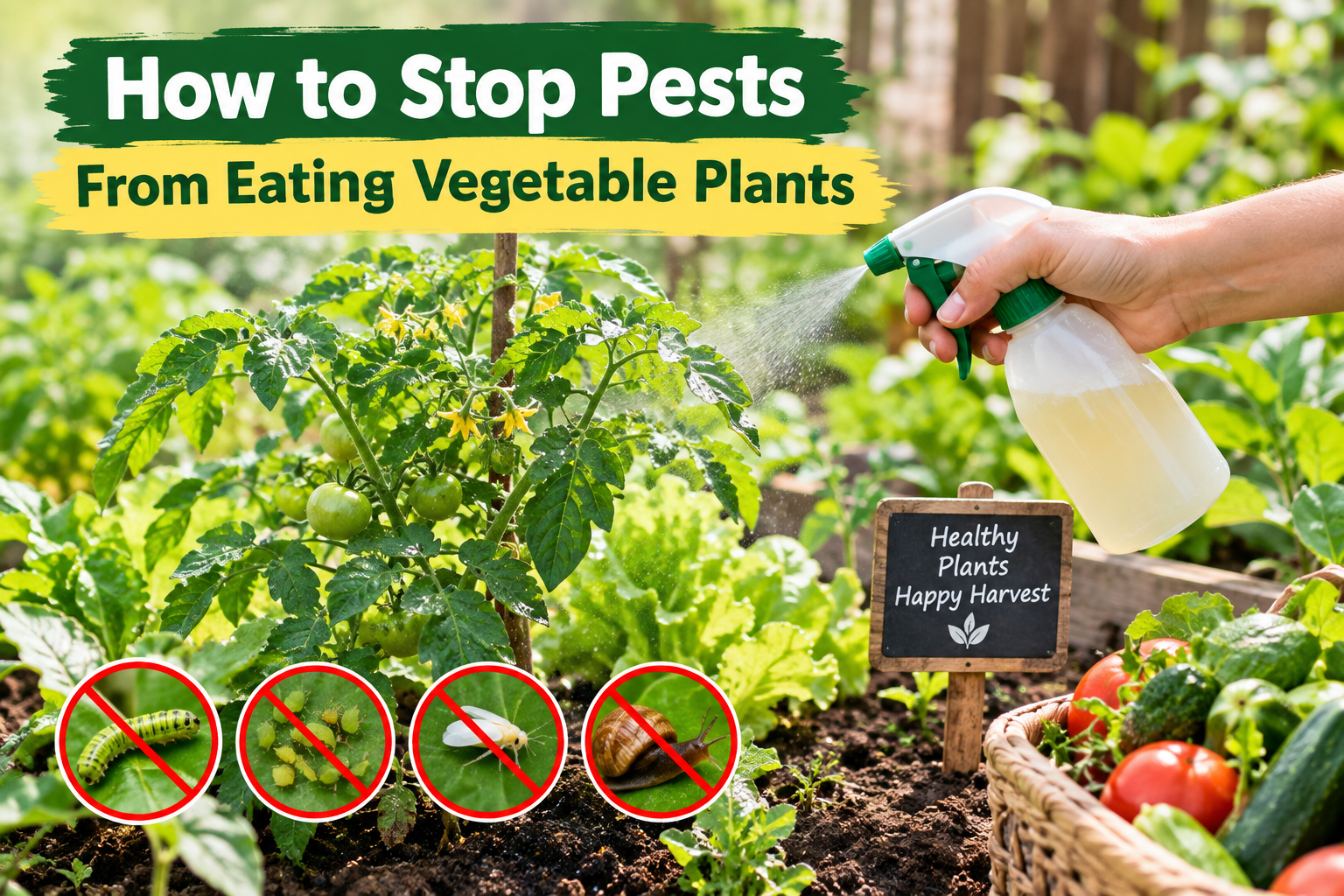
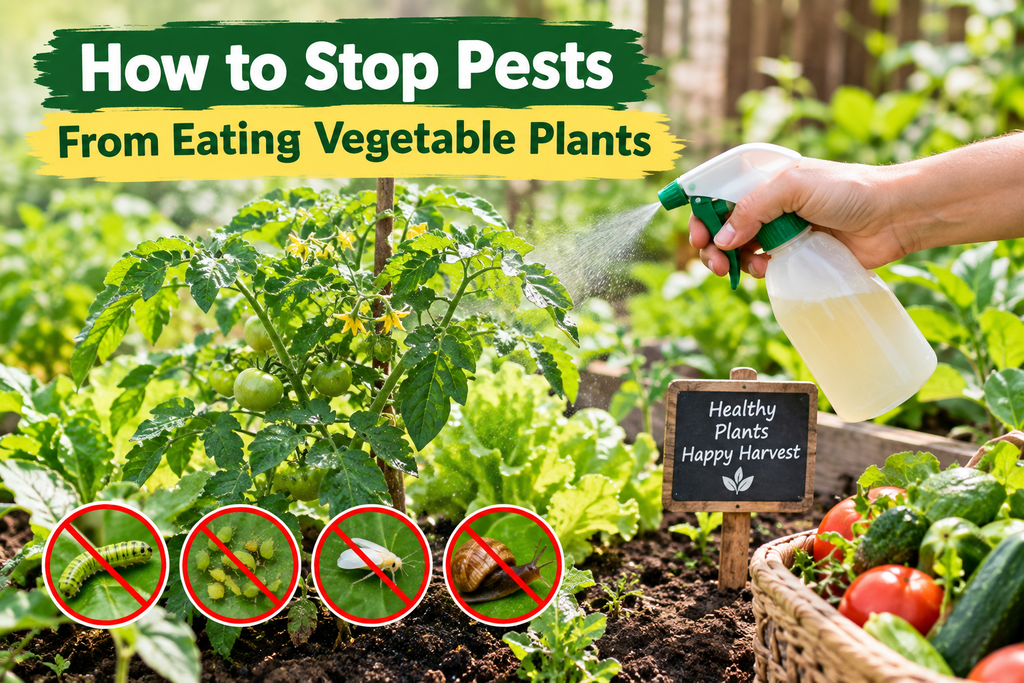
  • How to Stop Pests From Eating Vegetable Plants

    How to Stop Pests From Eating Vegetable Plants

    Growing vegetables at home can be very rewarding, but pests can quickly turn healthy plants into damaged and weak ones. I have found that even a small vegetable garden can attract insects such as aphids, caterpillars, beetles, whiteflies, and other common garden pests. When these pests are not controlled early, they can damage leaves, stems, flowers, and even vegetables.

    The good news is that you do not always need strong chemicals to protect your garden. With regular observation, proper watering, healthy soil, physical barriers, and natural pest control methods, it is possible to keep many pests away from vegetable plants.

    In this article, I will share some simple methods I use and recommend for protecting vegetable plants from common garden pests.

    Inspect Your Vegetable Plants Regularly

    One of the easiest ways to stop pests from eating vegetable plants is to check your plants regularly. I believe prevention is much easier than trying to save a badly damaged plant.

    Take a few minutes every day or every couple of days to look closely at the leaves. Check both the upper and lower surfaces because many insects hide underneath leaves. Look for small holes, curled leaves, sticky spots, webbing, eggs, or insects.

    If you notice a few pests early, you can often remove them before they become a bigger problem. Regular inspection is especially important when plants are young because a large number of insects can damage small plants very quickly.

    Keep Your Garden Clean

    A clean vegetable garden is generally easier to protect from pests. Dead leaves, fallen vegetables, weeds, and other plant debris can provide hiding places for insects and other unwanted garden visitors.

    I prefer to remove damaged leaves and fallen vegetables from the garden instead of allowing them to remain around healthy plants. Weeds should also be removed regularly because they can provide food and shelter for pests.

    Keeping the area around your vegetable plants clean also makes it easier to notice new pest activity.

    Water Vegetable Plants Properly

    Healthy plants are often better able to tolerate minor pest damage. Proper watering plays an important role in keeping vegetable plants strong.

    Avoid watering your plants too much because constantly wet soil can create other problems. At the same time, plants should not be allowed to become severely dry.

    I usually focus on watering the soil around the roots rather than constantly wetting the leaves. Morning watering is often a good choice because plants have time to dry during the day.

    Healthy plants with suitable moisture levels can grow stronger roots and leaves, which helps them handle common garden problems.

    Use Garden Netting

    Garden netting can be a very useful physical barrier against insects. It can help prevent many flying pests from reaching vegetable plants in the first place.

    You can place lightweight netting over plants such as cabbage, lettuce, spinach, and other leafy vegetables. Make sure the edges are properly secured so insects cannot easily enter underneath.

    One advantage of physical barriers is that they do not require spraying anything directly onto the vegetables. This can make them a practical option for people who prefer simple and natural gardening methods.

    Remove Large Pests by Hand

    Some pests are easy to remove manually. Caterpillars, beetles, and other larger insects can often be picked from plants by hand.

    When I find larger pests on vegetable plants, I prefer to remove them as soon as possible. You can wear gardening gloves if you do not want to touch the insects directly.

    This method may sound simple, but it can be surprisingly effective when the pest population is still small. The important thing is to inspect plants regularly so that you do not have to remove dozens of insects later.

    Spray Plants With Water

    A gentle stream of water can help remove some small insects from vegetable plants. Aphids and other soft bodied pests may be knocked off leaves and stems with water.

    Use enough pressure to remove the pests without damaging the plant. Avoid using an extremely strong spray because delicate leaves and young stems can be injured.

    This method may need to be repeated because some insects can return to the plant. Still, it is a simple option when you notice a small number of pests.

    Encourage Beneficial Insects

    Not every insect in your garden is harmful. Some insects can actually help control pests naturally.

    Ladybugs, lacewings, praying mantises, and some other beneficial insects feed on common garden pests. Instead of trying to remove every insect from your garden, I recommend learning to identify helpful insects as well.

    Planting flowers near your vegetable garden can also attract pollinators and other beneficial insects. A garden with different types of plants can support a healthier natural environment.

    Use Companion Planting

    Companion planting is another method many gardeners use to discourage certain pests. The idea is to grow particular plants near vegetables that may benefit from their presence.

    For example, herbs and flowers can add diversity to a vegetable garden and may help attract beneficial insects. Some gardeners also grow strongly scented plants around vegetables to make the garden less attractive to certain pests.

    I do not consider companion planting a complete solution by itself. However, it can be a useful part of an overall pest management strategy.

    Keep Plants Properly Spaced

    Crowded vegetable plants can create a warm and humid environment where pests and plant diseases may become more difficult to manage.

    When plants are properly spaced, air can move more freely around the leaves. It also becomes easier to inspect plants and identify pest problems.

    Always check the recommended spacing for the vegetable you are growing. Giving plants enough room can improve air circulation and make general garden maintenance easier.

    Remove Heavily Damaged Leaves

    If a leaf is heavily damaged or covered with pests, removing it may help prevent the problem from spreading to other parts of the plant.

    Use clean garden scissors or pruning tools when necessary. Do not remove too many healthy leaves because plants need their leaves to produce energy.

    After removing badly damaged plant material, place it away from the vegetable garden rather than leaving it on the soil beside healthy plants.

    How to Stop Pests From Eating Vegetable Plants

    Try Natural Pest Control Methods

    There are several natural approaches gardeners use to control pests. Insecticidal soap, horticultural oils, and other garden products can sometimes help with specific pests when used correctly.

    Before using any product, always read the label carefully and make sure it is suitable for the vegetable plant you are treating. Follow the recommended application instructions and avoid applying products unnecessarily.

    I believe the best approach is to use the least aggressive method that can solve the problem. If removing pests by hand or using a physical barrier works, there may be no reason to use a stronger treatment.

    Avoid Overfertilizing Vegetable Plants

    Too much fertilizer can sometimes encourage excessive soft plant growth. Certain pests may be attracted to this new growth.

    Vegetable plants need nutrients, but more fertilizer does not always mean better growth. I recommend following the fertilizer instructions and avoiding unnecessary applications.

    Healthy soil with balanced nutrients is more useful than constantly adding fertilizer. Compost and well prepared organic matter can also support soil quality when used appropriately.

    Protect Young Vegetable Plants

    Young plants are particularly vulnerable to pest damage. A few insects can cause significant problems when a plant has only a small number of leaves.

    I like to give young plants extra attention during their first few weeks. Check them regularly and consider using simple barriers such as netting or protective covers when appropriate.

    Once plants become larger and stronger, minor pest damage may be easier for them to tolerate.

    Identify the Pest Before Treating It

    One mistake I see many gardeners make is treating a plant without knowing what is actually causing the damage.

    Different pests require different approaches. Holes in leaves could be caused by caterpillars, beetles, or other insects. Sticky leaves may indicate aphids or another sap sucking insect.

    Take time to identify the problem before choosing a treatment. Look at the insect, the type of damage, and where the insect is located on the plant.

    Correct identification can save time and prevent unnecessary treatments.

    Keep Checking After Treatment

    Stopping pests from eating vegetable plants is usually not a one time task. Even after you remove pests or apply a suitable treatment, continue checking the plants.

    New insects can arrive from nearby gardens, weeds, or other plants. Weather conditions can also influence pest activity.

    I recommend making pest inspection part of your normal gardening routine. A few minutes of observation can prevent a small problem from becoming a major infestation.

    Final Thoughts

    Learning how to stop pests from eating vegetable plants does not have to be complicated. In my experience, the most useful approach is to combine several simple habits instead of depending on one solution.

    Regularly inspect your plants, keep the garden clean, water properly, remove pests by hand when possible, use physical barriers, encourage beneficial insects, and maintain healthy soil. If a pest problem becomes serious, identify the pest first and choose an appropriate treatment.

    The goal is not necessarily to create a garden with absolutely no insects. A healthy garden can contain many different insects and still produce excellent vegetables. The real goal is to prevent harmful pests from reaching levels where they seriously damage your plants.

    With regular attention and a little patience, you can protect your vegetable garden and enjoy healthier plants throughout the growing season.

  • Why Are Vegetable Plant Leaves Curling

    Why Are Vegetable Plant Leaves Curling

    If you grow vegetables at home, you may have noticed that the leaves sometimes start curling, twisting, or folding inward. I have seen this problem in different vegetable plants, and it can be confusing when the plant looks healthy at first. Leaf curling is not always a sign of a serious disease. In many cases, it happens because the plant is reacting to changes in water, temperature, sunlight, soil conditions, or pests.

    When I notice curled leaves on a vegetable plant, I do not immediately remove the leaves or use any chemical treatment. I first look closely at the plant and try to understand what is causing the problem. This simple approach can help protect the plant and prevent the problem from becoming worse.

    In this article, I will explain the common reasons why vegetable plant leaves curl and what you can do to help your plants recover.

    What Does Leaf Curling Mean?

    Leaf curling happens when the edges or entire surface of a vegetable leaf bends upward, downward, inward, or sometimes outward. The exact appearance can provide useful clues about the cause.

    Some leaves curl because they are losing water faster than they can absorb it. Other leaves curl because insects are feeding on them. Temperature stress, poor watering habits, nutrient problems, and plant diseases can also cause curling.

    The first thing I recommend is checking the entire plant instead of focusing only on the curled leaves. Look at the soil, stems, new growth, underside of leaves, and overall color of the plant. These details can help you identify the real problem.

    Too Much Water Can Cause Curling

    One common reason vegetable plant leaves curl is overwatering. Many beginner gardeners believe that giving plants plenty of water will always help them grow faster. In my experience, this can create problems.

    When soil remains wet for a long time, the roots may not receive enough oxygen. Damaged or stressed roots cannot absorb water and nutrients properly. As a result, the leaves may curl, become soft, turn yellow, or begin to fall.

    Tomato plants are particularly sensitive to inconsistent watering. If the soil stays constantly wet, the plant may show signs of stress even though there appears to be plenty of water.

    To avoid this problem, I check the soil before watering. If the top layer feels reasonably dry, I water the plant deeply. If the soil is still wet, I usually wait rather than adding more water.

    Good drainage is also important. Containers should have drainage holes, and garden soil should not remain waterlogged after watering or rainfall.

    Not Enough Water Can Curl Leaves

    Underwatering can cause a similar problem. When a vegetable plant does not receive enough water, the leaves may curl inward to reduce moisture loss.

    This often happens during hot weather. Strong sunlight and high temperatures increase water loss through the leaves. If the roots cannot replace that moisture quickly enough, the plant can become stressed.

    I usually notice this problem when leaves look curled, soft, or slightly wilted, while the soil feels dry several inches below the surface.

    The solution is to water the plant deeply and consistently. Instead of giving a very small amount of water every day, it is often better to provide enough water to reach the root zone while allowing the soil to drain properly.

    Adding organic mulch around the plant can also help maintain soil moisture and reduce evaporation.

    Why Are Vegetable Plant Leaves Curling

    Heat and Strong Sunlight

    High temperatures are another common cause of curled vegetable leaves. During extremely hot days, plants lose water quickly through their leaves. Curling can be a natural response that helps reduce moisture loss.

    Tomatoes, peppers, cucumbers, beans, and other vegetables can experience heat stress when temperatures become very high.

    If the leaves curl mainly during the hottest part of the day but look better in the evening, heat stress may be responsible.

    I prefer to protect young plants from extreme heat when possible. Providing some afternoon shade, especially during unusually hot weather, can help. Mulching the soil can also keep the root area cooler.

    However, I would not completely block sunlight from vegetables that require full sun. Most fruit producing vegetable plants still need sufficient sunlight for healthy growth.

    Cold Weather Can Affect Leaves

    Cold temperatures can also cause vegetable leaves to curl. Plants that prefer warm weather can become stressed when temperatures suddenly drop.

    Young tomato and pepper plants are particularly vulnerable to cold conditions. Their leaves may curl, become darker, or develop an unusual appearance.

    If leaf curling starts after a cold night, temperature stress could be the reason. In this situation, improving the growing environment is more useful than immediately adding fertilizer.

    When growing warm season vegetables, I try to plant them after the danger of very cold weather has passed. Young plants can also benefit from temporary protection during unexpected cold conditions.

    Insects Can Cause Curled Leaves

    Small insects are another important cause of curling leaves. Aphids, whiteflies, thrips, and other plant pests can feed on young leaves and cause them to curl or become distorted.

    Aphids are especially easy to miss because they are very small. They often gather underneath leaves or around soft new growth.

    When I see unusual curling, I always check the underside of the leaves. I also inspect the newest leaves because many pests prefer fresh growth.

    Sticky or shiny areas on leaves can sometimes indicate insect activity. Ants around plants may also be worth investigating because they can sometimes be associated with aphid populations.

    For a small infestation, gently washing the plant with water can remove many insects. Keeping the garden clean and regularly checking plants can also help prevent pest populations from becoming severe.

    Nutrient Problems

    Vegetable plants need several nutrients for healthy leaf development. A deficiency can sometimes cause leaves to curl, discolor, or develop unusual patterns.

    For example, problems with nitrogen, potassium, calcium, magnesium, or other nutrients may affect plant growth. However, I do not recommend adding fertilizer simply because leaves are curling.

    Overfertilizing can create additional problems. Too much fertilizer can damage roots and cause leaf edges to burn.

    Before adding nutrients, I look at the whole plant and consider the soil condition, watering routine, plant age, and recent weather. A soil test can also provide useful information when nutrient problems continue.

    Balanced feeding is usually better than applying large amounts of a single nutrient without knowing what the plant actually needs.

    Plant Diseases Can Cause Curling

    Some vegetable diseases can cause leaves to curl and become distorted. Viral diseases are one example, and they can sometimes cause unusual leaf shapes, discoloration, and reduced plant growth.

    Disease problems are more concerning when curling appears together with other symptoms such as yellow patterns, spots, stunted growth, or unusual new leaves.

    If only one plant is affected while nearby plants look completely healthy, I monitor it closely. If the plant continues to decline and disease appears likely, removing the affected plant may help reduce the chance of spreading problems to other plants.

    Avoid putting clearly diseased plant material into a home compost pile unless you know that your composting method can safely destroy the disease.

    Herbicide Exposure

    Sometimes vegetable leaves curl because they have been exposed to herbicides. This can happen when weed control products drift from another area or when garden tools or containers have been contaminated.

    Herbicide injury can cause strange twisting, curling, or distorted new growth. If several plants suddenly develop similar symptoms after weed control work nearby, chemical exposure may be worth considering.

    I prefer to keep weed control products away from vegetable growing areas whenever possible. Preventing exposure is much easier than trying to restore a severely damaged plant.

    Natural Leaf Curl in Some Plants

    It is also important to remember that not every curled leaf means something is wrong. Some vegetable varieties naturally have slightly curled or unusual leaves.

    Environmental conditions can also temporarily change the shape of leaves without causing permanent damage. If the plant is growing well, producing healthy new leaves, and showing no other warning signs, there may be no serious problem.

    This is why I always look at the overall health of the plant rather than judging it by one or two leaves.

    How to Prevent Vegetable Leaves From Curling

    The best way to prevent leaf curling is to maintain consistent plant care.

    I start with healthy soil and make sure plants have enough space for air circulation. I water according to soil moisture rather than following a fixed schedule. During hot weather, I check plants more frequently because their water needs can change.

    I also inspect plants regularly for insects. Spending a few minutes checking the leaves each week can help identify pest problems before they become serious.

    Good sunlight is important too, but plants should be protected from extreme environmental conditions when necessary. Mulching around the root zone can help maintain moisture and reduce temperature changes in the soil.

    Most importantly, I try not to make several changes at once. If I suspect a watering problem, I correct the watering routine and observe the plant. This makes it easier to understand what is actually helping.

    When Should You Be Concerned?

    A few curled leaves are not always a reason to panic. However, you should pay closer attention when the curling spreads quickly or appears together with other symptoms.

    Watch for yellowing, brown spots, sticky leaves, insect activity, weak stems, poor growth, or sudden changes in new leaves.

    If the plant stops growing or begins to decline rapidly, the problem may require more careful investigation. Identifying the cause early gives the plant a better chance of recovery.

    Final Thoughts

    Vegetable plant leaves can curl for many different reasons, including overwatering, underwatering, heat stress, cold temperatures, insects, nutrient problems, diseases, and chemical exposure. The most important thing is not to assume that every curled leaf has the same cause.

    When I see curling leaves in my garden, I first check the soil, watering routine, weather, sunlight, and leaves for insects. I then look at the newest growth and the overall condition of the plant. This simple process often gives me a much better idea of what the plant needs.

    Healthy vegetable plants need consistent care rather than constant attention. With proper watering, suitable sunlight, healthy soil, good drainage, and regular inspection, many causes of leaf curling can be prevented or corrected.

    If you notice curled leaves on your vegetables, take a little time to observe the plant before taking action. Understanding the cause is usually the first and most important step toward bringing the plant back to healthy growth.

  • Why Are My Tomato Plant Leaves Turning Yellow? Common Causes and Solutions

    Why Are My Tomato Plant Leaves Turning Yellow? Common Causes and Solutions

    Growing tomatoes at home can be one of the most enjoyable parts of having a garden. I personally like watching tomato plants grow from small seedlings into healthy plants covered with green leaves and fresh tomatoes. However, one problem that can quickly become worrying is when tomato plant leaves start turning yellow.

    If you are asking, “Why are my tomato plant leaves turning yellow?” you are not alone. Yellow leaves on tomato plants are very common, and the cause can be something simple such as too much water, poor soil, or a lack of nutrients. In some cases, yellowing leaves can also be a sign of pests or plant disease.

    The good news is that yellow tomato leaves do not always mean your plant is dying. The important thing is to look at where the yellowing is happening and check the growing conditions around the plant. In this article, I will explain the most common reasons tomato plant leaves turn yellow and what you can do to help the plant recover.

    Too Much Water Can Cause Yellow Leaves

    One of the first things I check when tomato leaves turn yellow is the amount of water the plant is receiving. Tomato plants need regular moisture, but they do not like sitting in constantly wet soil.

    When the soil remains too wet for a long time, the roots may not receive enough oxygen. This can affect the plant’s ability to absorb nutrients and can eventually lead to yellow leaves.

    Overwatering is especially common when tomatoes are grown in containers. If the pot does not have proper drainage holes, excess water can remain around the roots.

    I recommend checking the soil before watering. Put your finger about an inch into the soil. If it still feels wet, I usually wait before watering again. When the soil feels slightly dry, it is generally a better time to water.

    Not Enough Water Can Also Turn Leaves Yellow

    Although overwatering is common, underwatering can also cause yellow tomato leaves. Tomato plants need consistent moisture, especially during hot weather and when they are producing fruit.

    When a plant does not receive enough water, the leaves may become weak, dry, curled, or yellow. The soil may also pull away slightly from the sides of the container when it becomes extremely dry.

    I prefer deep and consistent watering rather than giving the plant a very small amount of water every day. The goal is to provide enough moisture around the root zone without leaving the soil soaked.

    During hot weather, container grown tomatoes may need more frequent watering because pots can dry out quickly.

    Nutrient Deficiency

    Another common reason for yellow leaves on tomato plants is a lack of nutrients. Tomatoes need several nutrients to grow healthy stems, leaves, flowers, and fruit.

    Nitrogen deficiency is one possibility. Nitrogen helps plants produce healthy green growth. When nitrogen is low, older leaves may begin turning pale yellow while the newer growth remains greener.

    Other nutrient problems can also cause yellowing between the veins of the leaves. This can happen when the plant is unable to access certain nutrients from the soil.

    Instead of adding large amounts of fertilizer immediately, I recommend first checking the soil and using a balanced tomato fertilizer according to the instructions on the package. Too much fertilizer can create additional problems, so more fertilizer is not always better.

    Poor Soil Drainage

    Soil quality plays a major role in tomato plant health. Even if you water correctly, poor drainage can keep the roots too wet.

    Heavy garden soil may hold too much water around tomato roots. This can create an environment where roots struggle to breathe and may become damaged.

    For container tomatoes, I prefer using a good quality potting mix designed for vegetables. The container should also have drainage holes at the bottom.

    If tomatoes are planted directly in the garden, adding organic matter such as compost can help improve soil structure. Healthy soil should hold moisture while still allowing excess water to drain away.

    Lack of Sunlight

    Tomato plants need plenty of sunlight to grow properly. If your tomato plant is growing in a location with too much shade, the leaves may become pale or yellow and the plant may produce fewer tomatoes.

    Tomatoes generally perform best when they receive several hours of direct sunlight each day. I always try to place tomato plants in the brightest suitable location in my garden.

    If your tomato plant is surrounded by taller plants, walls, or other objects that block sunlight, consider whether moving the container or improving the planting location is possible.

    Good sunlight also helps the plant produce energy through photosynthesis, which supports healthy growth and fruit production.

    Tomato Plant Diseases

    Sometimes yellow tomato leaves are caused by a disease rather than watering or nutrition problems. Certain fungal and bacterial diseases can cause yellow patches, brown spots, wilting, or leaf drop.

    Early blight, for example, can cause dark spots surrounded by yellow areas. Disease problems often begin on older leaves and can gradually move upward through the plant.

    If you notice yellow leaves together with unusual spots, damaged stems, rapid wilting, or widespread leaf loss, take a closer look at the plant.

    I also recommend removing badly affected leaves when appropriate and keeping fallen leaves away from the soil. Good air circulation around tomato plants can also help reduce conditions that encourage some diseases.

    Why Are My Tomato Plant Leaves Turning Yellow

    Pests Can Damage Tomato Leaves

    Small insects can also cause tomato plant leaves to turn yellow. Aphids, spider mites, whiteflies, and other pests may feed on plant tissue and weaken the leaves.

    When I notice unusual yellowing, I like to inspect both the upper and lower sides of the leaves. Some pests are very small and can be difficult to notice at first.

    Look for tiny insects, sticky residue, webbing, distorted leaves, or small pale spots.

    A strong stream of water can sometimes help remove certain soft bodied insects. For larger pest problems, gardeners may consider an appropriate garden treatment and should always follow the product instructions carefully.

    Natural Aging of Tomato Leaves

    Not every yellow leaf is a serious problem. Tomato plants naturally produce older leaves that eventually become yellow and drop.

    If only a few of the oldest leaves near the bottom of the plant are turning yellow while the rest of the plant looks healthy, the yellowing may simply be part of the plant’s normal growth cycle.

    I usually focus more on the overall condition of the plant. If the new leaves are green, the stems look strong, the plant is flowering, and tomatoes are developing normally, a few older yellow leaves may not be a major concern.

    Temperature Stress

    Tomatoes are warm season plants, so extreme temperatures can affect their growth. Very cold conditions can slow the plant down, while intense heat can cause stress and increase water loss.

    During periods of extreme heat, tomato plants may require more careful watering. Providing suitable mulch around plants can help the soil retain moisture and remain more stable.

    At the same time, avoid creating conditions where the soil stays constantly wet.

    How I Would Troubleshoot Yellow Tomato Leaves

    When I see yellow leaves on a tomato plant, I prefer checking the problem step by step rather than immediately adding fertilizer or using a chemical treatment.

    First, I check the soil moisture. If it is extremely wet, I look at drainage and reduce unnecessary watering. If it is very dry, I provide a thorough watering.

    Next, I check the leaves carefully for insects, spots, discoloration, or other unusual symptoms.

    Then I look at the plant’s sunlight. If it receives very little direct light, that may be contributing to weak growth.

    After that, I consider the soil and nutrients. If the plant has been growing in the same soil for a long time, it may benefit from suitable organic matter or a balanced tomato fertilizer.

    Finally, I look at the overall plant. A few yellow older leaves are very different from a plant where most leaves are rapidly turning yellow.

    How to Prevent Yellow Leaves on Tomato Plants

    Prevention is usually easier than trying to fix a stressed tomato plant later. I try to give tomato plants the basic conditions they need from the beginning.

    Use well draining soil and choose containers with drainage holes. Give the plants enough sunlight and water them consistently without keeping the soil constantly saturated.

    Adding compost can help improve soil quality, while a suitable tomato fertilizer can provide nutrients when needed.

    Spacing is also important. Tomato plants need enough room for air to move around their leaves. Crowded plants can stay damp for longer periods and may have more disease problems.

    I also like to remove unhealthy fallen leaves from around the base of the plant and regularly inspect the leaves for early signs of pests or disease.

    Final Thoughts

    So, why are your tomato plant leaves turning yellow? There can be several reasons, including overwatering, underwatering, nutrient deficiency, poor drainage, lack of sunlight, pests, disease, temperature stress, or simply natural aging.

    The best approach is not to panic when you see one or two yellow leaves. Instead, inspect the plant carefully and look for other symptoms. Check the soil, watering routine, sunlight, leaves, and overall growth.

    In my experience, paying attention to small changes can make tomato plant care much easier. When you understand what your plant is showing you, it becomes easier to make the right adjustment.

    Healthy tomato plants need balanced care rather than constant attention. Give them suitable soil, enough sunlight, consistent moisture, proper nutrition, and good air circulation. With these simple habits, you can give your tomato plants a much better chance of producing healthy green growth and a good harvest of fresh tomatoes.